
Poly(propylene glycol), tolylene 2,4-diisocyanate terminated
Poly(propylene glycol), tolylene 2,4-diisocyanate terminated (CAS 9057-91-4) is a chemical compound used in the production of engineering polymers and materials. This prepolymer functions as a key component in various polyurethane formulations. Its properties lend themselves to applications requiring durable and resilient materials, specifically in the manufacturing of idler rollers and adhesive-handling pads.
- Synonyms
- 9057-91-4

Idler Rollers
This diisocyanate-terminated poly(propylene glycol) is utilized in the formulation of idler rollers, contributing to their durability and performance characteristics.
Adhesive Handling Pads
The material serves as a precursor for adhesive-handling pads, where its specific properties are beneficial for adhesion and wear resistance.
Polyurethane Precursors
As a tolylene diisocyanate-terminated prepolymer, it is a fundamental building block in the synthesis of various polyurethane materials and elastomers.
| Density | 1.05 g/mL at 25 °C |
|---|---|
| Refractive index | n20/D 1.4742 |
| Viscosity | ≤1,700 cP(40 °C)(lit.) |
| Impurities tested | <0.1% residual TDI |
| Application | Idler rollers and adhesive-handling pads. |

Hazard statements
- H302Harmful if swallowed
- H312Harmful in contact with skin
- H315Causes skin irritation
- H319Causes serious eye irritation
- H332Harmful if inhaled
- H335May cause respiratory irritation
Precautionary statements
- P261Avoid breathing dust, fume, gas or vapours
- P280Wear protective gloves, clothing and eye/face protection
- P305IF IN EYES
| Flash point | 113 °C / 235.4 °F |
|---|---|
| Transport (UN / ADR) | UN 3334 |
| Water hazard class (WGK, DE) | 3 |
| Hazard codes (EU) | Xn |
| Risk statements (R) | 20/21/22-36/37/38 |
| Safety statements (S) | 26-36 |
Hazard information is provided for guidance. Always consult the product Safety Data Sheet (SDS), available on request, before handling.
| Hardness | 80 (Shore A, reacted with MOCA) |
|---|
Documentation
Every batch ships with a Certificate of Analysis covering assay, identity and purity; the grade is confirmed against your enquiry. Safety Data Sheets and technical data sheets are available on request.
Supply & logistics
Samples for technical evaluation; bulk MOQ by grade and packaging. In-stock material ships in 7–10 working days, worldwide, with full export documentation.
What is Poly(propylene glycol), tolylene 2,4-diisocyanate terminated used for?
+
This compound is primarily used in the production of idler rollers and adhesive-handling pads, serving as a key component in various polyurethane formulations.
What are the CAS number and formula for this compound?
+
The CAS number is 9057-91-4. The chemical formula is not provided in the available data.
What grade and purity does Tech Serve Solutions supply?
+
Tech Serve Solutions supplies this chemical with <0.1% residual TDI. It is not represented as USP, BP, or EP grade.
What are the safety and handling considerations?
+
This product carries warning signals with hazards including H302, H312, H315, H319, H332, and H335. It requires careful handling with appropriate personal protective equipment (P261, P280, P305 + P351 + P338).
How is this chemical packed, shipped, and exported?
+
This chemical is packed and shipped according to regulatory standards, suitable for global export. Specific details can be provided upon request.
How can I request a sample or quote?
+
To request a sample or a quote, please contact our sales department through the provided channels on our website.
▶ Related products
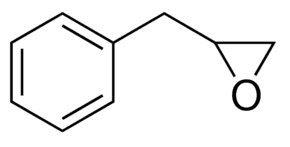
(2,3-Epoxypropyl)benzene
Polymer Science
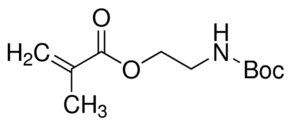
(2-Boc-amino)ethyl methacrylate
C11H19NO4
Polymer Science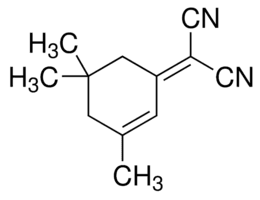
(3,5,5-Trimethylcyclohex-2-enylidene)malononitrile
Polymer Science
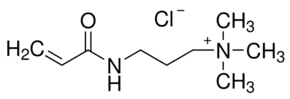
(3-Acrylamidopropyl)trimethylammonium chloride solution
Polymer Science
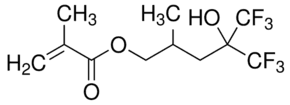
1,1,1-Trifluoro-2-(trifluoromethyl)-2-hydroxy-4-methyl-5-pentyl methacrylate
Polymer Science
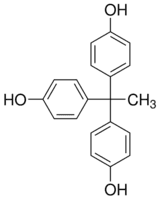
1,1,1-Tris(4-hydroxyphenyl)ethane
Polymer Science
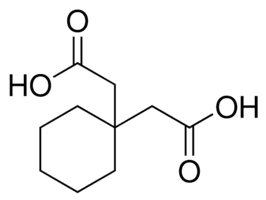
1,1-Cyclohexanediacetic acid
Polymer Science

1,12-Diisocyanatododecane
Polymer Science
▶ Explore more

Bis(cyclopentadienyl)cobalt(III) hexafluorophosphate
C10H10CoF6P
Catalysis & Inorganic
1-(4-Chlorophenyl)biguanide hydrochloride
ClC6H4NHC(NH)NHC(NH)NH2 · HCl
Chemical Synthesis
Bis(cyclopentadienyl)dimethylzirconium(IV)
Catalysis & Inorganic

1-(4-Chlorophenyl)ethanol
ClC6H4CH(CH3)OH
Chemical Synthesis