
Poly(propylene glycol) diacrylate
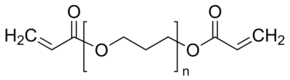
Poly(propylene glycol) diacrylate (CAS: 52496-08-9) is a versatile diacrylate monomer with a linear formula of H₂C=CHCO(OC₃H₆)nO₂CCH=CH₂. This chemical serves as a crucial building block in polymer synthesis, offering crosslinking capabilities. Its properties make it valuable in the development of advanced materials, coatings, adhesives, and specialty polymers where specific mechanical and chemical resistance properties are required.
Coatings and Adhesives
Utilised in the formulation of UV-curable coatings and adhesives, providing rapid curing and excellent film properties. Its crosslinking nature enhances durability and chemical resistance in finished products.
Polymer Synthesis
Acts as a difunctional monomer for creating crosslinked polymer networks. This is essential for tailoring polymer properties such as flexibility, hardness, and thermal stability.
Materials Science
A key component in developing novel materials with specific functionalities. It can be incorporated into hydrogels, elastomers, and composite materials for various advanced applications.
Resins and Inks
Employed in the production of radiation-curable resins and inks, contributing to fast-drying and high-performance printing applications.
| Linear formula | H2C=CHCO(OC3H6)nO2CCH=CH2 |
|---|---|
| Density | 1.01 g/mL at 25 °C |
| Refractive index | n20/D 1.452 |
| Storage temperature | 2-8°C |
| Contains / stabiliser | 100 ppm BHT as inhibitor100 ppm MEHQ as inhibitor |


Hazard statements
- H315Causes skin irritation
- H317May cause an allergic skin reaction
- H318Causes serious eye damage
Precautionary statements
- P280Wear protective gloves, clothing and eye/face protection
- P305IF IN EYES
| Protective equipment | Eyeshields, Faceshields, full-face respirator (US), Gloves, multi-purpose combination respirator cartridge (US), type ABEK (EN14387) respirator filter |
|---|---|
| Flash point | 113 °C / 235.4 °F |
| Water hazard class (WGK, DE) | 3 |
| Hazard codes (EU) | Xi |
| Risk statements (R) | 38-41-43 |
| Safety statements (S) | 26-36 |
Hazard information is provided for guidance. Always consult the product Safety Data Sheet (SDS), available on request, before handling.
Documentation
Every batch ships with a Certificate of Analysis covering assay, identity and purity; the grade is confirmed against your enquiry. Safety Data Sheets and technical data sheets are available on request.
Supply & logistics
Samples for technical evaluation; bulk MOQ by grade and packaging. In-stock material ships in 7–10 working days, worldwide, with full export documentation.
What is Poly(propylene glycol) diacrylate used for?
+
Poly(propylene glycol) diacrylate is primarily used in coatings, adhesives, polymer synthesis, and materials science due to its crosslinking capabilities and role as a difunctional monomer for creating polymer networks.
What is the CAS number and formula for Poly(propylene glycol) diacrylate?
+
The CAS number is 52496-08-9 and its linear formula is H₂C=CHCO(OC₃H₆)nO₂CCH=CH₂.
What grade and purity does Tech Serve Solutions supply?
+
Tech Serve Solutions supplies Poly(propylene glycol) diacrylate as a technical grade chemical. We do not represent this product as meeting USP, BP, EP, or any other pharmacopoeia standards. Purity details are available upon request.
How should Poly(propylene glycol) diacrylate be handled safely?
+
Handle with care, using appropriate personal protective equipment including eyeshields, gloves, and respiratory protection (type ABEK respirator filter recommended). Avoid contact with skin and eyes, as it may cause skin irritation, serious eye damage, and allergic skin reactions. Store in a cool, well-ventilated area.
How is Poly(propylene glycol) diacrylate packed, shipped, and exported?
+
Tech Serve Solutions expertly packs, ships, and exports Poly(propylene glycol) diacrylate globally, adhering to all necessary regulations for safe and secure transport. Specific packaging details can be provided upon inquiry.
How can I request a sample or quote for Poly(propylene glycol) diacrylate?
+
To request a sample or a quote for Poly(propylene glycol) diacrylate, please contact our sales department through our website or by phone, providing your specific requirements.
▶ Related products
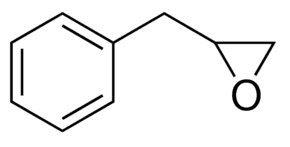
(2,3-Epoxypropyl)benzene
Polymer Science
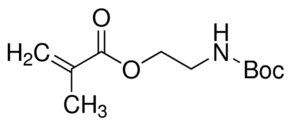
(2-Boc-amino)ethyl methacrylate
C11H19NO4
Polymer Science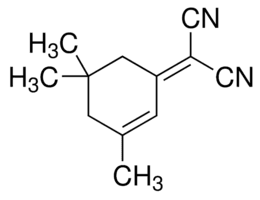
(3,5,5-Trimethylcyclohex-2-enylidene)malononitrile
Polymer Science
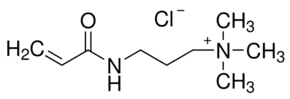
(3-Acrylamidopropyl)trimethylammonium chloride solution
Polymer Science
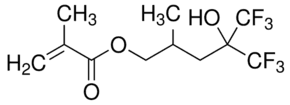
1,1,1-Trifluoro-2-(trifluoromethyl)-2-hydroxy-4-methyl-5-pentyl methacrylate
Polymer Science
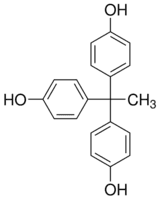
1,1,1-Tris(4-hydroxyphenyl)ethane
Polymer Science
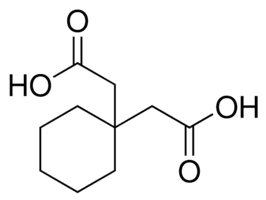
1,1-Cyclohexanediacetic acid
Polymer Science

1,12-Diisocyanatododecane
Polymer Science
▶ Explore more

Bis(cyclopentadienyl)cobalt(III) hexafluorophosphate
C10H10CoF6P
Catalysis & Inorganic
1-(4-Chlorophenyl)biguanide hydrochloride
ClC6H4NHC(NH)NHC(NH)NH2 · HCl
Chemical Synthesis
Bis(cyclopentadienyl)dimethylzirconium(IV)
Catalysis & Inorganic

1-(4-Chlorophenyl)ethanol
ClC6H4CH(CH3)OH
Chemical Synthesis