
Poly(octadecyl methacrylate) solution
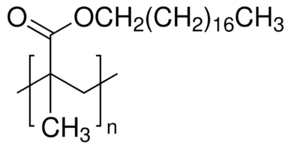
Poly(octadecyl methacrylate) solution (CAS: 25639-21-8), with a linear formula of (C22H42O2)n and average molecular weight of approximately 170,000 g/mol, is a hydrophobic polymer supplied at 30-35 wt.% in toluene. This material finds utility in materials science research, particularly in the development of flexible organic transistors and micro/nanoelectronics due to its polymeric properties. Its hydrophobic nature and specific physical characteristics, including a glass transition temperature of -100 °C and melting point of 37.5 °C, make it suitable for various advanced material applications.
Materials Science Research
Poly(octadecyl methacrylate) solution serves as a valuable component in advanced materials research. Its hydrophobic nature and specific thermal properties are exploited in the development of novel materials.
Flexible Organic Transistors
The polymer is investigated for its potential in fabricating flexible organic transistors. Its characteristics as a hydrophobic polymer are advantageous in creating stable and efficient electronic devices.
Micro/Nanoelectronics
This solution is employed in micro and nanoelectronic applications. Its properties as a methacrylate polymer contribute to advancements in the miniaturization and performance of electronic components.
Hydrophobic Coatings
The inherent hydrophobicity of poly(octadecyl methacrylate) makes it suitable for research into advanced hydrophobic coatings. These coatings can offer protection and specific surface properties for various substrates.
| Linear formula | (C22H42O2)n |
|---|---|
| Assay | 30-35 wt. % (in toluene) |
| Concentration | in toluene |


Hazard statements
- H225Highly flammable liquid and vapour
- H304May be fatal if swallowed and enters airways
- H315Causes skin irritation
- H336May cause drowsiness or dizziness
- H361D
- H373May cause damage to organs through prolonged exposure
Precautionary statements
- P210Keep away from heat, sparks and open flames. No smoking
- P261Avoid breathing dust, fume, gas or vapours
- P281Use personal protective equipment as required
- P301IF SWALLOWED
- P331Do NOT induce vomiting
| Flash point | 4 °C / 39.2 °F |
|---|---|
| Transport (UN / ADR) | UN 1993BF 3 / PGII |
| Water hazard class (WGK, DE) | 3 |
| Hazard codes (EU) | F,Xn |
| Risk statements (R) | 63-11-38-48/20-65-67 |
| Safety statements (S) | 16-36/37-62 |
Hazard information is provided for guidance. Always consult the product Safety Data Sheet (SDS), available on request, before handling.
| Mol Wt | average Mw ~170,000 by GPC |
|---|---|
| Transition Temp | Tg −100 °CTm 37.5 °C |
| Weight | Unit weight does not include weight of solvent. |
Documentation
Every batch ships with a Certificate of Analysis covering assay, identity and purity; the grade is confirmed against your enquiry. Safety Data Sheets and technical data sheets are available on request.
Supply & logistics
Samples for technical evaluation; bulk MOQ by grade and packaging. In-stock material ships in 7–10 working days, worldwide, with full export documentation.
What is Poly(octadecyl methacrylate) solution used for?
+
Poly(octadecyl methacrylate) solution is used in materials science research, particularly for developing flexible organic transistors, micro/nanoelectronics, and hydrophobic coatings, owing to its hydrophobic nature and specific physical properties.
What are the CAS number and linear formula for Poly(octadecyl methacrylate) solution?
+
The CAS number is 25639-21-8 and the linear formula is (C22H42O2)n.
What grade and purity does Tech Serve Solutions supply?
+
Tech Serve Solutions supplies Poly(octadecyl methacrylate) solution with an assay of 30-35 wt.% in toluene. TSS does not represent this product as USP, BP, or EP grade.
What are the safety and handling considerations for this product?
+
This product is flammable (Flash point 4 °C) and poses health risks including aspiration toxicity, skin irritation, and potential effects on the unborn child and organs with prolonged exposure. Handle with appropriate personal protective equipment in a well-ventilated area, away from ignition sources.
How is Poly(octadecyl methacrylate) solution shipped and exported?
+
Poly(octadecyl methacrylate) solution is shipped under UN 1993, BF 3, Packing Group II. Tech Serve Solutions is experienced in exporting fine chemicals globally.
How can I request a sample or quote for Poly(octadecyl methacrylate) solution?
+
To request a sample or a quote, please contact the Tech Serve Solutions sales team through our website or by phone.
▶ Related products
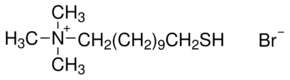
(11-Mercaptoundecyl)-N,N,N-trimethylammonium bromide
Micro / NanoElectronics

(11-Mercaptoundecyl)hexa(ethylene glycol)
C23H48O7S
Micro / NanoElectronics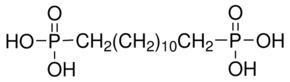
(12-Phosphonododecyl)phosphonic acid
C12H28O6P2
Micro / NanoElectronics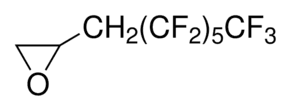
(2,2,3,3,4,4,5,5,6,6,7,7,7-Tridecafluoroheptyl)oxirane
C9H5F13O
Micro / NanoElectronics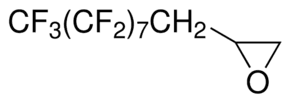
(2,2,3,3,4,4,5,5,6,6,7,7,8,8,9,9,9-Heptadecafluorononyl)oxirane
C11H5F17O
Micro / NanoElectronics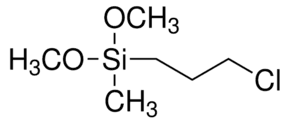
(3-Chloropropyl)dimethoxymethylsilane
Cl(CH2)3Si(OCH3)2CH3
Micro / NanoElectronics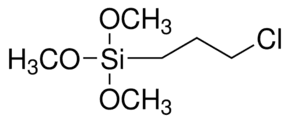
(3-Chloropropyl)trimethoxysilane
Cl(CH2)3Si(OCH3)3
Micro / NanoElectronics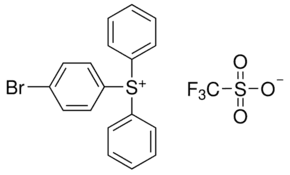
(4-Bromophenyl)diphenylsulfonium triflate
C19H14BrF3O3S2
Micro / NanoElectronics▶ Explore more

Bis(cyclopentadienyl)cobalt(III) hexafluorophosphate
C10H10CoF6P
Catalysis & Inorganic
1-(4-Chlorophenyl)biguanide hydrochloride
ClC6H4NHC(NH)NHC(NH)NH2 · HCl
Chemical Synthesis
Bis(cyclopentadienyl)dimethylzirconium(IV)
Catalysis & Inorganic

1-(4-Chlorophenyl)ethanol
ClC6H4CH(CH3)OH
Chemical Synthesis