Poly(lauryl methacrylate-co-ethylene glycol dimethacrylate)
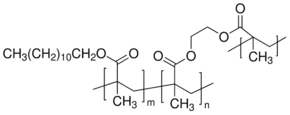
Poly(lauryl methacrylate-co-ethylene glycol dimethacrylate), CAS 61181-29-1, is a specialized copolymer known for its hydrophobic properties and role in materials science. This polymer exhibits a specific surface area of 0.32 m²/g and a pore volume of 13.6 cc/g. It finds applications in areas requiring oil absorption and as a component in advanced electronic materials, particularly in flexible organic transistors and nanoprint lithography.
Oil Absorption and Surface Treatment
This polymer effectively absorbs and removes oils from various surfaces. Its hydrophobic nature makes it suitable for applications where oil containment or removal is critical.
Flexible Organic Electronics
Utilised in the development of flexible organic transistors and microelectronics. It serves as a polymeric gate dielectric material and in self-assembly processes for nanoprint lithography.
Materials Science Research
A versatile material for research in polymer science, particularly in the field of methacrylate copolymers. Its properties are valuable for developing new materials with tailored characteristics.
| Application | Absorbs and removes oils from surfaces. |
|---|---|
| Melting point | >200 °C(lit.) |
| Protective equipment | Eyeshields, Gloves, type N95 (US), type P1 (EN143) respirator filter |
|---|---|
| Water hazard class (WGK, DE) | 3 |
Hazard information is provided for guidance. Always consult the product Safety Data Sheet (SDS), available on request, before handling.
| Surface Area | 0.32 m2/g |
|---|
Documentation
Every batch ships with a Certificate of Analysis covering assay, identity and purity; the grade is confirmed against your enquiry. Safety Data Sheets and technical data sheets are available on request.
Supply & logistics
Samples for technical evaluation; bulk MOQ by grade and packaging. In-stock material ships in 7–10 working days, worldwide, with full export documentation.
What is Poly(lauryl methacrylate-co-ethylene glycol dimethacrylate) used for?
+
Poly(lauryl methacrylate-co-ethylene glycol dimethacrylate) is used for absorbing and removing oils from surfaces and in the development of flexible organic electronics, including transistors and for nanoprint lithography.
What is the CAS number and formula for this polymer?
+
The CAS number is 61181-29-1. The specific chemical formula for this copolymer is not provided.
What grade and purity does Tech Serve Solutions supply?
+
Tech Serve Solutions supplies this polymer as a research-grade material. We do not represent it as USP, BP, EP, or any other pharmacopoeia grade.
What are the safety and handling precautions?
+
When handling, it is recommended to use eyeshields and gloves. A type N95 (US) or type P1 (EN143) respirator filter is advised. This material has a WGK Germany rating of 3.
How is this chemical packed and exported by TSS?
+
Tech Serve Solutions, as a specialist global supplier and exporter, ensures appropriate packaging and export procedures for all its chemicals, adhering to international shipping regulations.
How can I request a sample or a quote for this product?
+
To request a sample or a quote, please contact our sales team through the website or by calling our direct line, providing the product name and CAS number (61181-29-1).
▶ Related products
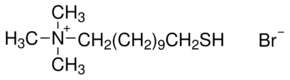
(11-Mercaptoundecyl)-N,N,N-trimethylammonium bromide
Micro / NanoElectronics

(11-Mercaptoundecyl)hexa(ethylene glycol)
C23H48O7S
Micro / NanoElectronics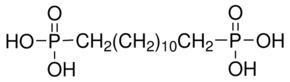
(12-Phosphonododecyl)phosphonic acid
C12H28O6P2
Micro / NanoElectronics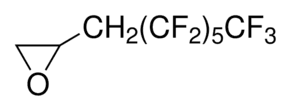
(2,2,3,3,4,4,5,5,6,6,7,7,7-Tridecafluoroheptyl)oxirane
C9H5F13O
Micro / NanoElectronics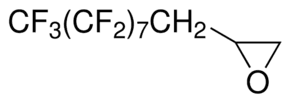
(2,2,3,3,4,4,5,5,6,6,7,7,8,8,9,9,9-Heptadecafluorononyl)oxirane
C11H5F17O
Micro / NanoElectronics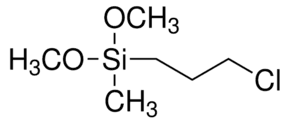
(3-Chloropropyl)dimethoxymethylsilane
Cl(CH2)3Si(OCH3)2CH3
Micro / NanoElectronics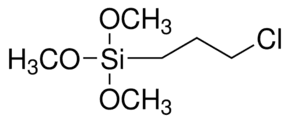
(3-Chloropropyl)trimethoxysilane
Cl(CH2)3Si(OCH3)3
Micro / NanoElectronics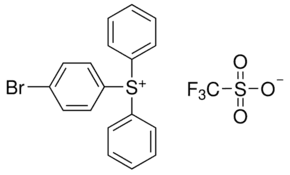
(4-Bromophenyl)diphenylsulfonium triflate
C19H14BrF3O3S2
Micro / NanoElectronics