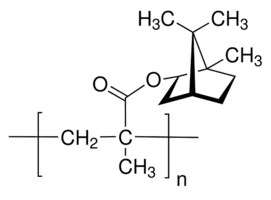
Poly(isobornyl methacrylate)
Poly(isobornyl methacrylate) (CAS: 64114-51-8) is a hydrophobic polymer with an average molecular weight of approximately 554,000 g/mol, characterised by a glass transition temperature of 110 °C. Supplied as beads, this methacrylate polymer finds utility in materials science and micro/nanoelectronics. Its properties make it suitable for applications requiring self-assembly and in the development of stamps for nanoprint lithography and microcontact printing, leveraging its PMMA-based resin characteristics.
Materials Science
This hydrophobic polymer can be employed in advanced materials development, particularly where specific surface properties or self-assembly behaviours are desired. Its polymeric structure lends itself to the creation of novel composite materials or functional coatings.
Micro/Nanoelectronics
Poly(isobornyl methacrylate) is suitable for applications in micro- and nanoelectronics due to its defined polymeric structure and properties. It can be used in lithographic processes and the fabrication of electronic components.
Nanoprint Lithography & Microcontact Printing
The polymer's characteristics make it an ideal material for creating stamps used in nanoprint lithography and microcontact printing techniques. It facilitates precise pattern transfer at the micro and nanoscale.
PMMA-Based Resins
As a methacrylate polymer, it can serve as a component in PMMA-based resins, offering modified properties such as enhanced hydrophobicity or specific thermal characteristics for specialised resin formulations.
| Linear formula | (C14H22O2)n |
|---|---|
| Form | beads |
| Protective equipment | Eyeshields, Gloves, type N95 (US), type P1 (EN143) respirator filter |
|---|---|
| Water hazard class (WGK, DE) | 3 |
Hazard information is provided for guidance. Always consult the product Safety Data Sheet (SDS), available on request, before handling.
| Mol Wt | average Mw ~554,000 by GPC |
|---|---|
| Transition Temp | Tg 110 °C |
Documentation
Every batch ships with a Certificate of Analysis covering assay, identity and purity; the grade is confirmed against your enquiry. Safety Data Sheets and technical data sheets are available on request.
Supply & logistics
Samples for technical evaluation; bulk MOQ by grade and packaging. In-stock material ships in 7–10 working days, worldwide, with full export documentation.
What is Poly(isobornyl methacrylate) used for?
+
Poly(isobornyl methacrylate) is utilised in materials science, micro/nanoelectronics, and as a material for stamps in nanoprint lithography and microcontact printing. It is also used in PMMA-based resins.
What are the CAS number and chemical formula for Poly(isobornyl methacrylate)?
+
The CAS number for Poly(isobornyl methacrylate) is 64114-51-8. Its linear formula is (C14H22O2)n.
What grade and purity does Tech Serve Solutions supply?
+
Tech Serve Solutions supplies Poly(isobornyl methacrylate) with an average Mw of ~554,000 by GPC. TSS does not represent this product as USP/BP/EP grade.
What are the safety precautions for handling Poly(isobornyl methacrylate)?
+
When handling Poly(isobornyl methacrylate), it is recommended to use eyeshields and gloves. A type N95 (US) or type P1 (EN143) respirator filter should be used. The substance has a WGK Germany rating of 3.
How is Poly(isobornyl methacrylate) packed and shipped?
+
Poly(isobornyl methacrylate) is supplied in bead form. Tech Serve Solutions exports fine chemicals, pharmaceutical intermediates, and laboratory reagents globally.
How can I request a sample or quote for Poly(isobornyl methacrylate)?
+
To request a sample or a quote for Poly(isobornyl methacrylate), please contact our sales team through the Tech Serve Solutions website.
▶ Related products
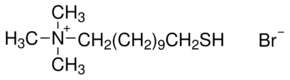
(11-Mercaptoundecyl)-N,N,N-trimethylammonium bromide
Micro / NanoElectronics

(11-Mercaptoundecyl)hexa(ethylene glycol)
C23H48O7S
Micro / NanoElectronics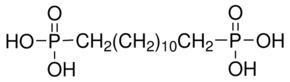
(12-Phosphonododecyl)phosphonic acid
C12H28O6P2
Micro / NanoElectronics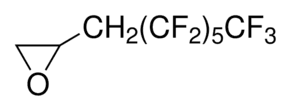
(2,2,3,3,4,4,5,5,6,6,7,7,7-Tridecafluoroheptyl)oxirane
C9H5F13O
Micro / NanoElectronics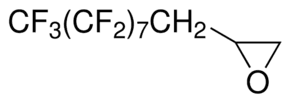
(2,2,3,3,4,4,5,5,6,6,7,7,8,8,9,9,9-Heptadecafluorononyl)oxirane
C11H5F17O
Micro / NanoElectronics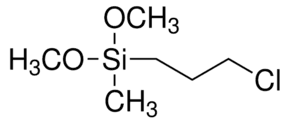
(3-Chloropropyl)dimethoxymethylsilane
Cl(CH2)3Si(OCH3)2CH3
Micro / NanoElectronics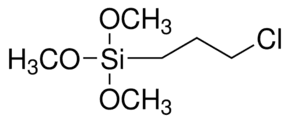
(3-Chloropropyl)trimethoxysilane
Cl(CH2)3Si(OCH3)3
Micro / NanoElectronics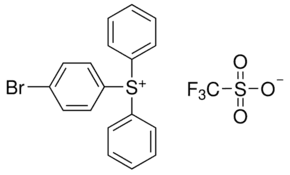
(4-Bromophenyl)diphenylsulfonium triflate
C19H14BrF3O3S2
Micro / NanoElectronics