Poly(glycidyl methacrylate)
Poly(glycidyl methacrylate) (PGMA), CAS 25067-05-4, with the linear formula [C7H10O3]n, is a versatile polymer characterised by its reactive epoxy groups. This feature makes it a valuable component in various cross-linking and surface modification applications. PGMA is widely employed in materials science for developing advanced coatings, adhesives, and functionalised materials. Its ability to undergo ring-opening reactions allows for further polymerisation or grafting, contributing to its utility in diverse chemical syntheses and material innovations.
![Poly(glycidyl methacrylate) ([C7H10O3]n) — chemical structure, CAS 25067-05-4; Materials Science, fine chemical supplied by Tech Serve Solutions](/_next/image?url=https%3A%2F%2Fpub-f4d920c906024441a773a96f7098e551.r2.dev%2Fimages%2Fproducts%2F25067-05-4.png&w=3840&q=75)
Coatings and Adhesives
PGMA serves as a key component in the formulation of high-performance coatings and adhesives. Its epoxy functionality allows for cross-linking, enhancing durability, chemical resistance, and adhesion to various substrates.
Surface Modification
The reactive epoxy groups enable PGMA to be used for surface functionalisation of materials. This process can improve biocompatibility, introduce specific binding sites, or alter surface properties for advanced applications.
Polymer Synthesis and Grafting
As a monomer, PGMA can be polymerised or grafted onto other polymer chains. This allows for the creation of novel copolymers and block copolymers with tailored properties for specialised uses.
Materials Science Research
PGMA is a valuable research material for developing new polymers and composite materials. Its predictable reactivity is instrumental in exploring advanced material functionalities and performance characteristics.
| Linear formula | [C7H10O3]n |
|---|---|
| Density | 0.805 g/mL at 25 °C |
| Refractive index | n20/D 1.381 |
| Melting point | 274-280 °C |

Hazard statements
- H302Harmful if swallowed
- H319Causes serious eye irritation
Precautionary statements
- P305IF IN EYES
| Water hazard class (WGK, DE) | 1 |
|---|---|
| Hazard codes (EU) | Xi |
| Risk statements (R) | 36 |
| Safety statements (S) | 26 |
Hazard information is provided for guidance. Always consult the product Safety Data Sheet (SDS), available on request, before handling.
Documentation
Every batch ships with a Certificate of Analysis covering assay, identity and purity; the grade is confirmed against your enquiry. Safety Data Sheets and technical data sheets are available on request.
Supply & logistics
Samples for technical evaluation; bulk MOQ by grade and packaging. In-stock material ships in 7–10 working days, worldwide, with full export documentation.
What is Poly(glycidyl methacrylate) used for?
+
Poly(glycidyl methacrylate) is used in coatings, adhesives, surface modification, and polymer synthesis, as well as in materials science research due to its reactive epoxy groups.
What is the CAS number and formula for Poly(glycidyl methacrylate)?
+
The CAS number is 25067-05-4, and the linear formula is [C7H10O3]n.
What grade and purity does Tech Serve Solutions supply?
+
Tech Serve Solutions supplies Poly(glycidyl methacrylate) in a technical grade. We do not represent this product as meeting USP, BP, EP, or any other pharmacopoeia standards.
How should Poly(glycidyl methacrylate) be handled safely?
+
Poly(glycidyl methacrylate) has a GHS signal word of Warning and is classified with hazard statements H302 (Harmful if swallowed) and H319 (Causes serious eye irritation). Always wear appropriate personal protective equipment, including eye protection and gloves, and ensure adequate ventilation when handling.
How is Poly(glycidyl methacrylate) packed, shipped, and exported?
+
Tech Serve Solutions offers Poly(glycidyl methacrylate) in various packaging sizes suitable for laboratory and industrial use. We are experienced in exporting chemicals globally, adhering to all necessary regulations.
How can I request a sample or quote for Poly(glycidyl methacrylate)?
+
To request a sample or a quotation for Poly(glycidyl methacrylate), please contact our sales team through the website or by phone. Please specify the quantity required.
▶ Related products
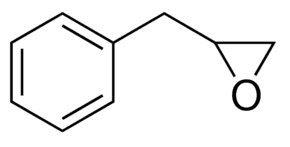
(2,3-Epoxypropyl)benzene
Polymer Science
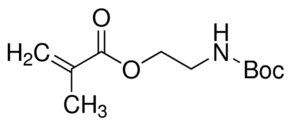
(2-Boc-amino)ethyl methacrylate
C11H19NO4
Polymer Science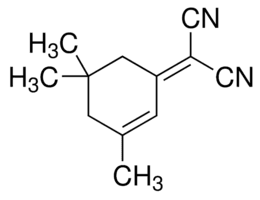
(3,5,5-Trimethylcyclohex-2-enylidene)malononitrile
Polymer Science
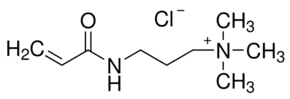
(3-Acrylamidopropyl)trimethylammonium chloride solution
Polymer Science
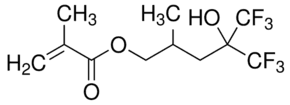
1,1,1-Trifluoro-2-(trifluoromethyl)-2-hydroxy-4-methyl-5-pentyl methacrylate
Polymer Science
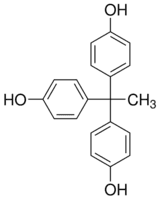
1,1,1-Tris(4-hydroxyphenyl)ethane
Polymer Science
1,1-Cyclohexanediacetic acid
Polymer Science

1,12-Diisocyanatododecane
Polymer Science