
Poly(ethylene glycol) diacrylate
Poly(ethylene glycol) diacrylate (CAS: 26570-48-9) is a homobifunctional PEG derivative with terminal acrylate groups. This polymer offers crosslinking capabilities via UV or thermal initiation, making it a valuable building block in materials science and bioelectronics. Its applications span hydrogel formation, coatings, and microfluidic devices, where its tunable properties and biocompatibility are advantageous. Tech Serve Solutions provides this chemical for research and industrial applications, adhering to strict quality standards.
- IUPAC
- PEG diacrylate
- Synonyms
- Poly(ethylene glycol) diacrylate
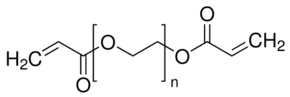
Hydrogel Synthesis
Poly(ethylene glycol) diacrylate is frequently used as a crosslinker in the formation of hydrogels for biomedical applications. Its ability to form networks allows for controlled release of drugs and encapsulation of cells.
Microfluidics
This diacrylate serves as a versatile component in microfluidic device fabrication. It enables the creation of stable microchannels and structures with defined properties for various lab-on-a-chip applications.
Coatings and Adhesives
The acrylate functionality allows for rapid polymerization, making it suitable for UV-curable coatings and adhesives. These formulations can provide protective layers and bonding solutions for diverse materials.
Biomaterials
As a derivative of polyethylene glycol, it possesses favourable biocompatibility, making it a candidate for use in advanced biomaterials research and development.
| Density | 1.11 g/mL at 25 °C |
|---|---|
| Refractive index | n20/D 1.463 |
| Storage temperature | 2-8°C |
| Contains / stabiliser | 100 ppm MEHQ as inhibitor |


Hazard statements
- H315Causes skin irritation
- H317May cause an allergic skin reaction
- H318Causes serious eye damage
Precautionary statements
- P280Wear protective gloves, clothing and eye/face protection
- P305IF IN EYES
| Protective equipment | Eyeshields, Faceshields, full-face respirator (US), Gloves, multi-purpose combination respirator cartridge (US), type ABEK (EN14387) respirator filter |
|---|---|
| Water hazard class (WGK, DE) | 1 |
| Hazard codes (EU) | Xi |
| Risk statements (R) | 41 |
| Safety statements (S) | 26-36/37/39 |
Hazard information is provided for guidance. Always consult the product Safety Data Sheet (SDS), available on request, before handling.
| Mol Wt | average Mn 250 |
|---|
Documentation
Every batch ships with a Certificate of Analysis covering assay, identity and purity; the grade is confirmed against your enquiry. Safety Data Sheets and technical data sheets are available on request.
Supply & logistics
Samples for technical evaluation; bulk MOQ by grade and packaging. In-stock material ships in 7–10 working days, worldwide, with full export documentation.
What is Poly(ethylene glycol) diacrylate used for?
+
Poly(ethylene glycol) diacrylate is primarily used as a crosslinker in hydrogel formation, microfluidics, coatings, adhesives, and biomaterials research due to its reactive acrylate groups and PEG backbone.
What is the CAS number and formula for Poly(ethylene glycol) diacrylate?
+
The CAS number for Poly(ethylene glycol) diacrylate is 26570-48-9. The chemical formula is not explicitly provided, but it is a diacrylate ester of polyethylene glycol.
What grade and purity does Tech Serve Solutions supply?
+
Tech Serve Solutions supplies Poly(ethylene glycol) diacrylate with an average Mn of 250. This is a technical/research grade material, and TSS does not represent it as USP, BP, EP, or any other pharmacopoeial standard.
How should Poly(ethylene glycol) diacrylate be handled safely?
+
Poly(ethylene glycol) diacrylate is classified as Danger, with hazards including skin irritation (H315), skin sensitisation (H317), and serious eye damage (H318). Always wear appropriate personal protective equipment, including eyeshields, gloves, and a suitable respirator, and handle in a well-ventilated area.
How is Poly(ethylene glycol) diacrylate packed, shipped, and exported?
+
This chemical is typically stored at 2-8°C and contains MEHQ as an inhibitor. It is packed according to industry standards for safe transport and is available for global export by Tech Serve Solutions.
How can I request a sample or quote for Poly(ethylene glycol) diacrylate?
+
To request a sample or a quote for Poly(ethylene glycol) diacrylate, please contact the Tech Serve Solutions sales team through our website or by phone.
▶ Related products
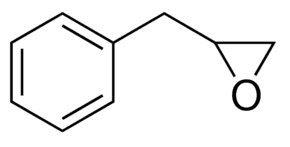
(2,3-Epoxypropyl)benzene
Polymer Science
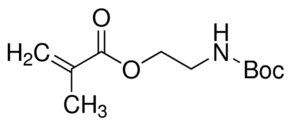
(2-Boc-amino)ethyl methacrylate
C11H19NO4
Polymer Science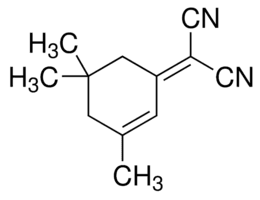
(3,5,5-Trimethylcyclohex-2-enylidene)malononitrile
Polymer Science
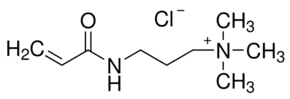
(3-Acrylamidopropyl)trimethylammonium chloride solution
Polymer Science
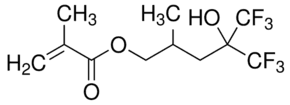
1,1,1-Trifluoro-2-(trifluoromethyl)-2-hydroxy-4-methyl-5-pentyl methacrylate
Polymer Science
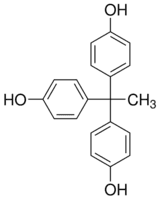
1,1,1-Tris(4-hydroxyphenyl)ethane
Polymer Science
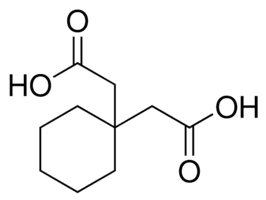
1,1-Cyclohexanediacetic acid
Polymer Science

1,12-Diisocyanatododecane
Polymer Science
▶ Explore more

Bis(cyclopentadienyl)cobalt(III) hexafluorophosphate
C10H10CoF6P
Catalysis & Inorganic
1-(4-Chlorophenyl)biguanide hydrochloride
ClC6H4NHC(NH)NHC(NH)NH2 · HCl
Chemical Synthesis
Bis(cyclopentadienyl)dimethylzirconium(IV)
Catalysis & Inorganic

1-(4-Chlorophenyl)ethanol
ClC6H4CH(CH3)OH
Chemical Synthesis