
Poly(ethylene-co-acrylic acid)
Poly(ethylene-co-acrylic acid) (CAS: 9010-77-9) is a copolymer synthesized from ethylene and acrylic acid, typically supplied as beads. This material functions as a processing and performance additive in plastics. Its carboxylic acid groups enhance compatibility and dispersion of other additives, while its ethylene backbone provides a hydrophobic character. It is particularly noted for its ability to promote crystallization in polyethylene terephthalate (PET) and improve the overall processing of various polymer systems.
![Poly(ethylene-co-acrylic acid) ((CH2CH2)x[CH2CH(CO2H)]y) — chemical structure, CAS 9010-77-9; Materials Science, fine chemical supplied by Tech Serve Solutions](/_next/image?url=https%3A%2F%2Fpub-f4d920c906024441a773a96f7098e551.r2.dev%2Fimages%2Fproducts%2F9010-77-9.png&w=3840&q=75)
Polymer Crystallization Promoter
This copolymer is effective in promoting the crystallization of polymers like PET. By acting as a nucleating agent, it can influence the morphology and properties of the final plastic product.
Additive Dispersion Aid
The presence of acrylic acid units in the polymer chain aids in the dispersion of various additives within plastic matrices. This leads to a more homogeneous distribution of fillers, pigments, or other modifiers.
Processing Aid
It can be utilized as a processing additive to improve melt flow and handling characteristics during polymer processing operations, potentially reducing processing temperatures or times.
| Linear formula | (CH2CH2)x[CH2CH(CO2H)]y |
|---|---|
| Form | beads |
| Density | 0.96 g/mL at 25 °C |
| Application | Processing and performance additive. Promotes crystallization of PET. Assists dispersion of additives in plastics. |
| Composition | acrylic acid, 20 wt. % |

Hazard statements
- H315Causes skin irritation
| Flash point | >275 °C / >527 °F |
|---|---|
| Water hazard class (WGK, DE) | 3 |
| Hazard codes (EU) | Xi |
| Risk statements (R) | 38 |
Hazard information is provided for guidance. Always consult the product Safety Data Sheet (SDS), available on request, before handling.
Documentation
Every batch ships with a Certificate of Analysis covering assay, identity and purity; the grade is confirmed against your enquiry. Safety Data Sheets and technical data sheets are available on request.
Supply & logistics
Samples for technical evaluation; bulk MOQ by grade and packaging. In-stock material ships in 7–10 working days, worldwide, with full export documentation.
What is Poly(ethylene-co-acrylic acid) used for?
+
Poly(ethylene-co-acrylic acid) is used as a processing and performance additive in plastics, notably to promote crystallization of PET and to assist the dispersion of other additives.
What are the CAS number and formula for Poly(ethylene-co-acrylic acid)?
+
The CAS number for Poly(ethylene-co-acrylic acid) is 9010-77-9. Its linear formula is (CH2CH2)x[CH2CH(CO2H)]y.
What grade and purity does Tech Serve Solutions supply?
+
Tech Serve Solutions supplies Poly(ethylene-co-acrylic acid) with a composition of 20 wt. % acrylic acid. This is typically considered a technical or research grade, and TSS does not represent it as USP, BP, or EP.
How should Poly(ethylene-co-acrylic acid) be handled safely?
+
Poly(ethylene-co-acrylic acid) is classified with the GHS07 symbol and a Warning signal word, carrying hazard statement H315 (Causes skin irritation). Handle with appropriate personal protective equipment to avoid skin contact. Refer to the Safety Data Sheet for detailed handling information.
How is Poly(ethylene-co-acrylic acid) packed, shipped, and exported?
+
Tech Serve Solutions expertly handles the packing, shipping, and global export of chemicals like Poly(ethylene-co-acrylic acid), ensuring compliance with all relevant regulations for safe and efficient delivery.
How can I request a sample or quote for Poly(ethylene-co-acrylic acid)?
+
To request a sample or a quote for Poly(ethylene-co-acrylic acid), please contact our sales team through the website or by phone, providing your specific requirements.
▶ Related products
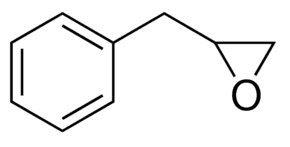
(2,3-Epoxypropyl)benzene
Polymer Science
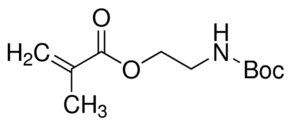
(2-Boc-amino)ethyl methacrylate
C11H19NO4
Polymer Science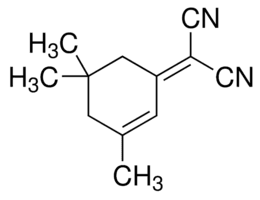
(3,5,5-Trimethylcyclohex-2-enylidene)malononitrile
Polymer Science
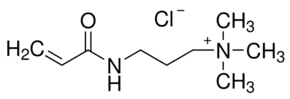
(3-Acrylamidopropyl)trimethylammonium chloride solution
Polymer Science
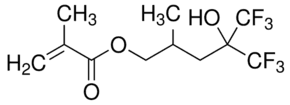
1,1,1-Trifluoro-2-(trifluoromethyl)-2-hydroxy-4-methyl-5-pentyl methacrylate
Polymer Science
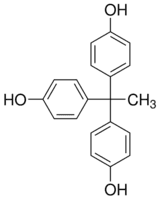
1,1,1-Tris(4-hydroxyphenyl)ethane
Polymer Science
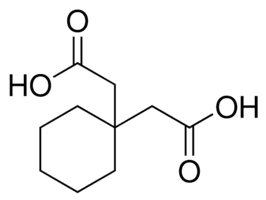
1,1-Cyclohexanediacetic acid
Polymer Science

1,12-Diisocyanatododecane
Polymer Science
▶ Explore more

Bis(cyclopentadienyl)cobalt(III) hexafluorophosphate
C10H10CoF6P
Catalysis & Inorganic
1-(4-Chlorophenyl)biguanide hydrochloride
ClC6H4NHC(NH)NHC(NH)NH2 · HCl
Chemical Synthesis
Bis(cyclopentadienyl)dimethylzirconium(IV)
Catalysis & Inorganic

1-(4-Chlorophenyl)ethanol
ClC6H4CH(CH3)OH
Chemical Synthesis