Poly(dimethylsiloxane), hydroxy terminated
Poly(dimethylsiloxane), hydroxy terminated (CAS: 70131-67-8) is a silicone polymer featuring reactive hydroxyl end groups. This versatile compound functions as a plasticizer for silicone elastomers and as a hydrophobic modifying agent for silica. It also serves as a base polymer for silicone water repellents, finding use in diverse applications within materials science and micro/nanoelectronics.
- IUPAC
- PDMS
- Synonyms
- Poly(dimethylsiloxane), hydroxy terminatedHydroxy (OH) Terminated PDMSPDMSPDMS Elastomers/ResinsPDMS and Silicone PolymersPolysiloxanesSilicones

Silicone Elastomer Plasticization
Acts as an effective plasticizer for silicone elastomers, improving their flexibility and processing characteristics. This enhances the overall performance and workability of silicone-based materials.
Hydrophobic Modification
Used as a hydrophobic modifying agent for silica and other substrates. This property is valuable for applications requiring water repellency or altered surface characteristics.
Water Repellent Formulations
Serves as a primary polymer in the formulation of silicone-based water repellents. These are applied to surfaces to provide durable water-resistant coatings.
Materials Science and Electronics
Its unique siloxane backbone and terminal hydroxyl groups make it suitable for applications in microfluidics, bioelectronics, and micro/nanoelectronics fabrication.
| Boiling point | 182 °C |
|---|---|
| Density | 0.95 g/mL at 25 °C |
| Refractive index | n20/D 1.405 |
| Viscosity | ~25 cSt |
| Application | Chemically incorporates dimethylsiloxane functionality into various polymers. Plasticizer for silicone elastomers, base polymer for silicone water repellents and hydrophobic modifying agent for silica. |
| Protective equipment | Eyeshields, Gloves |
|---|---|
| Flash point | >113 °C / >235.4 °F |
| Water hazard class (WGK, DE) | 1 |
Hazard information is provided for guidance. Always consult the product Safety Data Sheet (SDS), available on request, before handling.
Documentation
Every batch ships with a Certificate of Analysis covering assay, identity and purity; the grade is confirmed against your enquiry. Safety Data Sheets and technical data sheets are available on request.
Supply & logistics
Samples for technical evaluation; bulk MOQ by grade and packaging. In-stock material ships in 7–10 working days, worldwide, with full export documentation.
What is Poly(dimethylsiloxane), hydroxy terminated used for?
+
Poly(dimethylsiloxane), hydroxy terminated is used as a plasticizer for silicone elastomers, a base polymer for silicone water repellents, and a hydrophobic modifying agent for silica.
What are the CAS number and formula for Poly(dimethylsiloxane), hydroxy terminated?
+
The CAS number is 70131-67-8. The chemical formula is not provided in the data, but it is a polymer of dimethylsiloxane with hydroxyl end groups.
What grade and purity does Tech Serve Solutions supply?
+
Tech Serve Solutions supplies Poly(dimethylsiloxane), hydroxy terminated primarily as a technical or research grade material. TSS does not represent this product as USP, BP, EP, or pharmacopoeia grade.
What are the safety and handling precautions for this chemical?
+
When handling Poly(dimethylsiloxane), hydroxy terminated, it is recommended to use eyeshields and gloves. The flash point is above 113 °C (235.4 °F), indicating it is not highly flammable under normal conditions. Always consult the Safety Data Sheet for comprehensive information.
How is Poly(dimethylsiloxane), hydroxy terminated packed, shipped, and exported?
+
Tech Serve Solutions professionally packs and ships chemicals globally. Specific packaging details and export compliance are managed according to international regulations and customer requirements.
How can I request a sample or a quote for Poly(dimethylsiloxane), hydroxy terminated?
+
To request a sample or a quotation, please contact our sales department via the website or direct inquiry. Provide the product name and CAS number (70131-67-8) for efficient processing.
▶ Related products
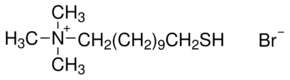
(11-Mercaptoundecyl)-N,N,N-trimethylammonium bromide
Micro / NanoElectronics

(11-Mercaptoundecyl)hexa(ethylene glycol)
C23H48O7S
Micro / NanoElectronics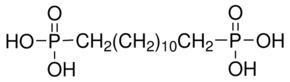
(12-Phosphonododecyl)phosphonic acid
C12H28O6P2
Micro / NanoElectronics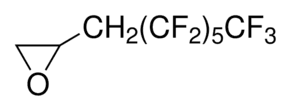
(2,2,3,3,4,4,5,5,6,6,7,7,7-Tridecafluoroheptyl)oxirane
C9H5F13O
Micro / NanoElectronics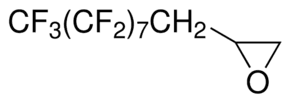
(2,2,3,3,4,4,5,5,6,6,7,7,8,8,9,9,9-Heptadecafluorononyl)oxirane
C11H5F17O
Micro / NanoElectronics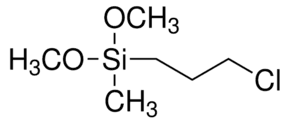
(3-Chloropropyl)dimethoxymethylsilane
Cl(CH2)3Si(OCH3)2CH3
Micro / NanoElectronics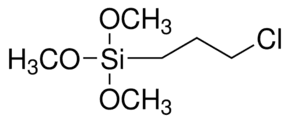
(3-Chloropropyl)trimethoxysilane
Cl(CH2)3Si(OCH3)3
Micro / NanoElectronics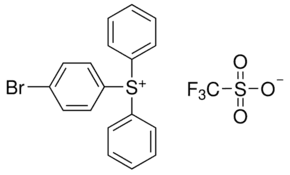
(4-Bromophenyl)diphenylsulfonium triflate
C19H14BrF3O3S2
Micro / NanoElectronics