
Poly(butyl methacrylate)
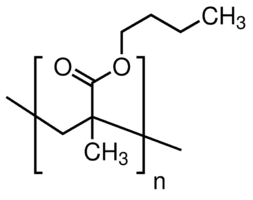
Poly(butyl methacrylate) (PBMA), CAS No. 9003-63-8, is a hydrophobic polymer with an average molecular weight of approximately 337,000 g/mol. It possesses a glass transition temperature (Tg) of 15 °C. This versatile methacrylate polymer finds applications in materials science, particularly in the development of flexible organic transistors and in micro/nanoelectronics due to its film-forming properties and hydrophobicity. It is supplied as a powder.
- Synonyms
- Poly(buthyl methacrylate)Methacrylate PolymersPMMA-Based Resins
Flexible Organic Electronics
Poly(butyl methacrylate) serves as a key material in the fabrication of flexible organic transistors. Its hydrophobic nature and suitable dielectric properties contribute to stable device performance in flexible electronic applications.
Micro/Nanoelectronics
This polymer is utilised in micro and nanoelectronics for its ability to form uniform films. It is suitable for applications requiring precise patterning and as a component in stamps for nanolithography.
Hydrophobic Coatings
Due to its inherent hydrophobicity, poly(butyl methacrylate) can be used in formulations for protective coatings where water repellency is a primary requirement.
Materials Science Research
As a well-characterised methacrylate polymer, PBMA is employed in academic and industrial research for developing new materials and exploring polymer science principles, including self-assembly.
| Form | powder |
|---|---|
| Density | 1.07 g/mL at 25 °C(lit.) |
| Refractive index | n20/D 1.483 |

Hazard statements
- H317May cause an allergic skin reaction
Precautionary statements
- P280Wear protective gloves, clothing and eye/face protection
| Protective equipment | Eyeshields, Gloves, type N95 (US), type P1 (EN143) respirator filter |
|---|---|
| Water hazard class (WGK, DE) | 3 |
| Hazard codes (EU) | Xi |
| Risk statements (R) | 10-36/37/38-43 |
Hazard information is provided for guidance. Always consult the product Safety Data Sheet (SDS), available on request, before handling.
| Mol Wt | average Mw ~337,000 by GPC |
|---|---|
| Transition Temp | Tg 15 °C |
Documentation
Every batch ships with a Certificate of Analysis covering assay, identity and purity; the grade is confirmed against your enquiry. Safety Data Sheets and technical data sheets are available on request.
Supply & logistics
Samples for technical evaluation; bulk MOQ by grade and packaging. In-stock material ships in 7–10 working days, worldwide, with full export documentation.
What is Poly(butyl methacrylate) used for?
+
Poly(butyl methacrylate) is used in flexible organic transistors, micro/nanoelectronics, as a hydrophobic coating material, and in polymer science research.
What is the CAS number and formula for Poly(butyl methacrylate)?
+
The CAS number for Poly(butyl methacrylate) is 9003-63-8. The specific chemical formula is not provided for this polymer as it is a macromolecule.
What grade and purity does Tech Serve Solutions supply?
+
Tech Serve Solutions supplies Poly(butyl methacrylate) with an average Mw of ~337,000 by GPC. We do not represent this product as USP, BP, or EP grade.
How should Poly(butyl methacrylate) be handled safely?
+
Safety precautions include wearing eyeshields and gloves, and using a type N95 (US) or type P1 (EN143) respirator filter. Poly(butyl methacrylate) is a potential skin sensitiser (H317) and may cause eye, respiratory, and skin irritation (Risk Statements Europe: 10-36/37/38-43).
How is Poly(butyl methacrylate) packed and shipped?
+
Tech Serve Solutions exports chemicals globally, adhering to all relevant shipping regulations for powders.
How can I request a sample or quote for Poly(butyl methacrylate)?
+
Please contact our sales team via the website or directly via email/phone to request a sample or a quotation for Poly(butyl methacrylate).
▶ Related products
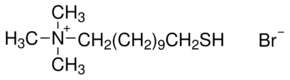
(11-Mercaptoundecyl)-N,N,N-trimethylammonium bromide
Micro / NanoElectronics

(11-Mercaptoundecyl)hexa(ethylene glycol)
C23H48O7S
Micro / NanoElectronics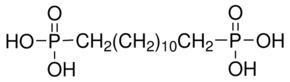
(12-Phosphonododecyl)phosphonic acid
C12H28O6P2
Micro / NanoElectronics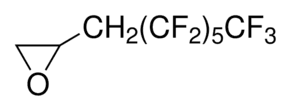
(2,2,3,3,4,4,5,5,6,6,7,7,7-Tridecafluoroheptyl)oxirane
C9H5F13O
Micro / NanoElectronics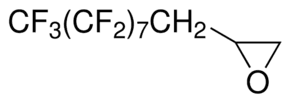
(2,2,3,3,4,4,5,5,6,6,7,7,8,8,9,9,9-Heptadecafluorononyl)oxirane
C11H5F17O
Micro / NanoElectronics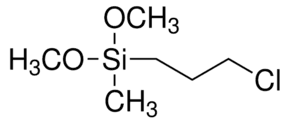
(3-Chloropropyl)dimethoxymethylsilane
Cl(CH2)3Si(OCH3)2CH3
Micro / NanoElectronics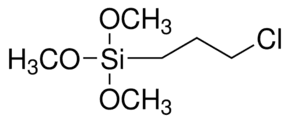
(3-Chloropropyl)trimethoxysilane
Cl(CH2)3Si(OCH3)3
Micro / NanoElectronics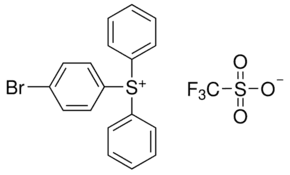
(4-Bromophenyl)diphenylsulfonium triflate
C19H14BrF3O3S2
Micro / NanoElectronics▶ Explore more

Bis(cyclopentadienyl)cobalt(III) hexafluorophosphate
C10H10CoF6P
Catalysis & Inorganic
1-(4-Chlorophenyl)biguanide hydrochloride
ClC6H4NHC(NH)NHC(NH)NH2 · HCl
Chemical Synthesis
Bis(cyclopentadienyl)dimethylzirconium(IV)
Catalysis & Inorganic

1-(4-Chlorophenyl)ethanol
ClC6H4CH(CH3)OH
Chemical Synthesis