
Poly(acrylic acid)
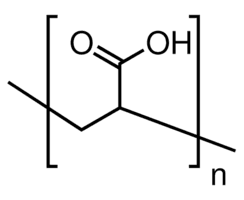
Poly(acrylic acid) (PAA) with CAS number 9003-01-4 is a synthetic, water-soluble polymer. It is a weak acid commonly supplied as an aqueous solution. Its properties as a polyelectrolyte and thickening agent lend themselves to diverse industrial and scientific applications, including water treatment, dispersants, and as a component in gels and coatings. Tech Serve Solutions supplies this versatile polymer for research and industrial use.
Water Treatment
Poly(acrylic acid) acts as an effective scale inhibitor and dispersant in water treatment applications, preventing the buildup of mineral deposits in industrial systems and boilers.
Dispersant and Thickener
In various formulations, PAA functions as a highly efficient dispersant for particles and as a thickening agent to control viscosity in products like paints, adhesives, and cosmetics.
Materials Science
Its polymeric nature and chemical structure make it a valuable component in the development of novel materials, including hydrogels, coatings, and specialized membranes for scientific research.
Ion Exchange and Chelation
The carboxylic acid groups in PAA enable it to bind metal ions, making it useful in ion-exchange resins and as a chelating agent in various chemical processes.
| Boiling point | 116 °C |
|---|---|
| Density | 1.15 g/mL at 25 °C |
| Concentration | 50 wt. % in H2O |
| Storage temperature | 2-8°C |

Hazard statements
- H314Causes severe skin burns and eye damage
Precautionary statements
- P280Wear protective gloves, clothing and eye/face protection
- P305IF IN EYES
- P310Immediately call a POISON CENTER or doctor
| Protective equipment | Eyeshields, Gloves, type N95 (US), type P1 (EN143) respirator filter |
|---|---|
| Transport (UN / ADR) | UN 3261 8 / PGIII |
| Water hazard class (WGK, DE) | 3 |
| Hazard codes (EU) | C |
| Risk statements (R) | 34 |
| Safety statements (S) | 26-36/37/39-45 |
Hazard information is provided for guidance. Always consult the product Safety Data Sheet (SDS), available on request, before handling.
| Transition Temp | Tg 106 °C |
|---|
Documentation
Every batch ships with a Certificate of Analysis covering assay, identity and purity; the grade is confirmed against your enquiry. Safety Data Sheets and technical data sheets are available on request.
Supply & logistics
Samples for technical evaluation; bulk MOQ by grade and packaging. In-stock material ships in 7–10 working days, worldwide, with full export documentation.
What is Poly(acrylic acid) (PAA) used for?
+
Poly(acrylic acid) is used in water treatment as a scale inhibitor and dispersant, as a thickening agent in formulations like paints and adhesives, in materials science for developing hydrogels and coatings, and for its ion-exchange and chelating properties.
What are the CAS number and formula for Poly(acrylic acid)?
+
The CAS number for Poly(acrylic acid) is 9003-01-4. The formula is typically represented as (C3H4O2)n.
What grade and purity does Tech Serve Solutions supply?
+
Tech Serve Solutions supplies Poly(acrylic acid) as a technical or research-grade material, typically at 50 wt. % in water. We do not represent this product as USP, BP, or EP grade unless explicitly stated in the product documentation.
How should Poly(acrylic acid) be handled safely?
+
Poly(acrylic acid) solution (50 wt. % in H2O) is corrosive. Handle with appropriate personal protective equipment, including eyeshields, gloves, and a respirator filter (e.g., type N95 or P1). Avoid contact with skin and eyes, and ensure good ventilation. Refer to the Safety Data Sheet for detailed handling instructions.
How is Poly(acrylic acid) typically supplied and exported?
+
Poly(acrylic acid) is supplied as an aqueous solution and is available for global export by Tech Serve Solutions, adhering to all relevant shipping regulations for hazardous materials (UN 3261, Class 8, PGIII).
How can I request a sample or quote for Poly(acrylic acid)?
+
To request a sample or a quote for Poly(acrylic acid), please contact our sales team through the TSS website or by calling our customer service line.
▶ Related products
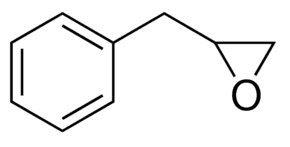
(2,3-Epoxypropyl)benzene
Polymer Science
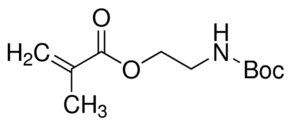
(2-Boc-amino)ethyl methacrylate
C11H19NO4
Polymer Science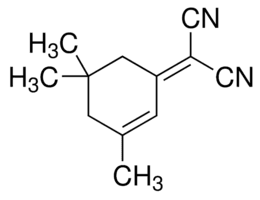
(3,5,5-Trimethylcyclohex-2-enylidene)malononitrile
Polymer Science
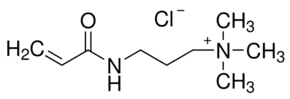
(3-Acrylamidopropyl)trimethylammonium chloride solution
Polymer Science
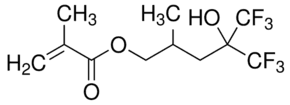
1,1,1-Trifluoro-2-(trifluoromethyl)-2-hydroxy-4-methyl-5-pentyl methacrylate
Polymer Science
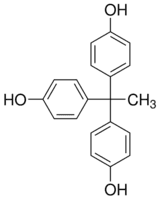
1,1,1-Tris(4-hydroxyphenyl)ethane
Polymer Science
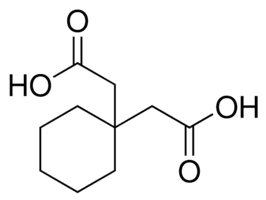
1,1-Cyclohexanediacetic acid
Polymer Science

1,12-Diisocyanatododecane
Polymer Science
▶ Explore more

Bis(cyclopentadienyl)cobalt(III) hexafluorophosphate
C10H10CoF6P
Catalysis & Inorganic
1-(4-Chlorophenyl)biguanide hydrochloride
ClC6H4NHC(NH)NHC(NH)NH2 · HCl
Chemical Synthesis
Bis(cyclopentadienyl)dimethylzirconium(IV)
Catalysis & Inorganic

1-(4-Chlorophenyl)ethanol
ClC6H4CH(CH3)OH
Chemical Synthesis