Poly(acrylamide-co-acrylic acid) partial sodium salt
Poly(acrylamide-co-acrylic acid) partial sodium salt (CAS 62649-23-4) is a hydrophilic copolymer with an average molecular weight of 200,000. It contains approximately 20 wt.% acrylamide and less than 7 wt.% water. This versatile polymer functions as a binder, thickener, stabiliser, flocculant, and protective colloid, demonstrating utility across various industrial applications. Its solubility in water and some protic solvents further enhances its applicability.

Binder Applications
This copolymer serves as an effective binder, used to adhere cellulose fibres and iron oxide in tape manufacturing. It also acts as a binder for pigments applied to TV tubes.
Thickener and Stabiliser
The polymer's properties make it suitable for thickening various formulations and providing stability to emulsions and suspensions.
Flocculation Agent
It functions as a flocculant, aiding in the aggregation of suspended particles in aqueous systems, facilitating their separation.
Protective Colloid
The material acts as a protective colloid, preventing the agglomeration of fine particles dispersed in a liquid medium.
| Solubility | water and some protic solvents: soluble |
|---|---|
| Impurities tested | <7 wt. % water |
| Application | Binder for cellulose fibers, iron oxide to tape, pigments to TV tubes. Thickener and stabilizer, flocculant and protective colloid. |
| Composition | acrylamide, ~20 wt. % |
| Mol Wt | average Mw 200,000 |
|---|
Documentation
Every batch ships with a Certificate of Analysis covering assay, identity and purity; the grade is confirmed against your enquiry. Safety Data Sheets and technical data sheets are available on request.
Supply & logistics
Samples for technical evaluation; bulk MOQ by grade and packaging. In-stock material ships in 7–10 working days, worldwide, with full export documentation.
What is Poly(acrylamide-co-acrylic acid) partial sodium salt used for?
+
Poly(acrylamide-co-acrylic acid) partial sodium salt is used as a binder for cellulose fibres, iron oxide, and pigments. It also functions as a thickener, stabiliser, flocculant, and protective colloid in various industrial applications.
What is the CAS number and formula for this product?
+
The CAS number is 62649-23-4. The chemical formula is not explicitly provided in the data.
What grade and purity does Tech Serve Solutions supply?
+
Tech Serve Solutions supplies this chemical with an average Mw of 200,000, containing approximately 20 wt.% acrylamide and less than 7 wt.% water. This is typically a technical or research grade; TSS does not represent it as USP, BP, or EP grade unless explicitly stated otherwise.
What are the safety and handling recommendations?
+
Specific GHS hazard information is not detailed in the provided data (WGK Germany is '-'). Standard laboratory precautions for handling chemical powders should be observed. Consult the Safety Data Sheet (SDS) for comprehensive safety and handling information.
How is this chemical shipped and exported?
+
Tech Serve Solutions is a specialist global supplier and exporter of fine chemicals. Specific shipping and export details for this product are available upon inquiry.
How can I request a sample or quote?
+
To request a sample or a quote for Poly(acrylamide-co-acrylic acid) partial sodium salt, please contact our sales team through the website or by phone.
▶ Related products
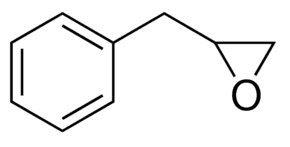
(2,3-Epoxypropyl)benzene
Polymer Science
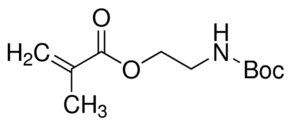
(2-Boc-amino)ethyl methacrylate
C11H19NO4
Polymer Science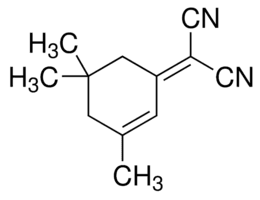
(3,5,5-Trimethylcyclohex-2-enylidene)malononitrile
Polymer Science
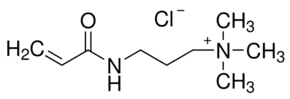
(3-Acrylamidopropyl)trimethylammonium chloride solution
Polymer Science
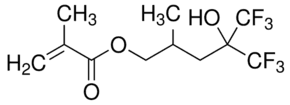
1,1,1-Trifluoro-2-(trifluoromethyl)-2-hydroxy-4-methyl-5-pentyl methacrylate
Polymer Science
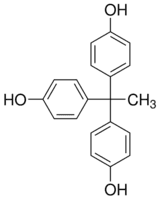
1,1,1-Tris(4-hydroxyphenyl)ethane
Polymer Science
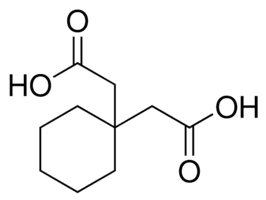
1,1-Cyclohexanediacetic acid
Polymer Science

1,12-Diisocyanatododecane
Polymer Science