Poly[(9,9-dihexylfluoren-2,7-diyl)-alt-(2,5-dimethyl-1,4-phenylene)]
Poly[(9,9-dihexylfluoren-2,7-diyl)-alt-(2,5-dimethyl-1,4-phenylene)] (CAS: 579505-48-9) is a conjugated polymer with strong blue light emission characteristics. Exhibiting a fluorescence emission maximum (λem) of 379 nm in chloroform, this material is primarily utilised in the field of organic electronics. Its unique structure makes it a valuable component in the development of advanced optoelectronic devices.
- IUPAC
- PF-DMB
- Synonyms
- Poly[(9,9-dihexylfluoren-2,7-diyl)-alt-(2,5-dimethyl-1,4-phenylene)],PF-DMB,5-dimethyl-1,4-phenylene)],579505-48-9
![Poly[(9,9-dihexylfluoren-2,7-diyl)-alt-(2,5-dimethyl-1,4-phenylene)] — chemical structure, CAS 579505-48-9; Materials Science, fine chemical supplied by Tech Serve Solutions](/_next/image?url=https%3A%2F%2Fpub-f4d920c906024441a773a96f7098e551.r2.dev%2Fimages%2Fproducts%2F579505-48-9.png&w=3840&q=75)
Organic Light-Emitting Diodes (OLEDs)
This polyfluorene derivative is employed as an emissive layer material in OLED devices, contributing to efficient light generation and colour purity. Its specific fluorescence properties make it suitable for blue light emission.
Polymer Light-Emitting Diodes (PLEDs)
As a light-emitting polymer (LEP), it serves as an active component in PLEDs, enabling solution-processable fabrication of flexible and large-area displays and lighting.
Materials Science Research
Utilised in materials science research for developing novel organic semiconductor materials with tailored optoelectronic properties for various electronic applications.
Organic and Printed Electronics
Investigated and used in the broader field of organic and printed electronics due to its processability and desirable electroluminescent characteristics.
| Melting point | >400 °C |
|---|
| Fluorescence | λex 330 nm; λem 379 nm in chloroform |
|---|
Documentation
Every batch ships with a Certificate of Analysis covering assay, identity and purity; the grade is confirmed against your enquiry. Safety Data Sheets and technical data sheets are available on request.
Supply & logistics
Samples for technical evaluation; bulk MOQ by grade and packaging. In-stock material ships in 7–10 working days, worldwide, with full export documentation.
What is Poly[(9,9-dihexylfluoren-2,7-diyl)-alt-(2,5-dimethyl-1,4-phenylene)] used for?
+
This polymer is primarily used in the development of organic electronic devices, such as Organic Light-Emitting Diodes (OLEDs) and Polymer Light-Emitting Diodes (PLEDs), for its light-emitting properties.
What is the CAS number and formula for this compound?
+
The CAS number is 579505-48-9. The chemical formula is not provided in the available data.
What grade and purity does Tech Serve Solutions supply?
+
Tech Serve Solutions supplies this compound for research and development purposes. The exact grade and purity are available upon request, and it is not represented as USP, BP, EP, or any other pharmacopoeial standard.
How should Poly[(9,9-dihexylfluoren-2,7-diyl)-alt-(2,5-dimethyl-1,4-phenylene)] be handled?
+
This compound has a German WGK rating of 3, indicating it is hazardous for water. Please refer to the Safety Data Sheet (SDS) for comprehensive handling, storage, and disposal information. Avoid release into the environment.
Is this product suitable for high-temperature applications?
+
The material has a melting point (MP) of >400 °C, suggesting stability at elevated temperatures relevant to some processing and operational conditions.
How is this chemical packed and exported?
+
Tech Serve Solutions ensures secure and compliant packaging for international export, adhering to all relevant shipping regulations for chemical compounds.
How can I request a sample or a quote?
+
To request a sample or obtain a quotation, please contact our sales team through the website or by calling us directly. Provide the product name and CAS number for efficient processing.
▶ Related products
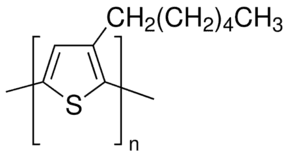
Poly(3-hexylthiophene-2,5-diyl)
Organic & Printed Electronics
![[6,6]-Phenyl C71 butyric acid methyl ester, mixture of isomers — chemical structure, CAS 609771-63-3; Organic & Printed Electronics, fine chemical supplied by Tech Serve Solutions](/_next/image?url=https%3A%2F%2Fpub-f4d920c906024441a773a96f7098e551.r2.dev%2Fimages%2Fproducts%2F609771-63-3.png&w=3840&q=75)
[6,6]-Phenyl C71 butyric acid methyl ester, mixture of isomers
Organic & Printed Electronics
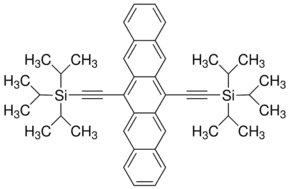
6,13-Bis(triisopropylsilylethynyl)pentacene
Organic & Printed Electronics
![[6,6]-Phenyl C61 butyric acid methyl ester — chemical structure, CAS 160848-22-6; Organic & Printed Electronics, fine chemical supplied by Tech Serve Solutions](/_next/image?url=https%3A%2F%2Fpub-f4d920c906024441a773a96f7098e551.r2.dev%2Fimages%2Fproducts%2F160848-22-6.png&w=3840&q=75)
[6,6]-Phenyl C61 butyric acid methyl ester
Organic & Printed Electronics
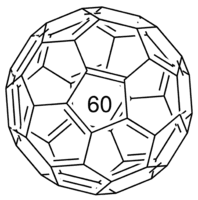
Fullerene-C60
C60
Organic & Printed Electronics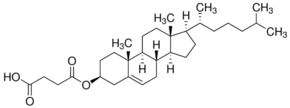
Cholesteryl hemisuccinate
C31H50O4
Organic & Printed Electronics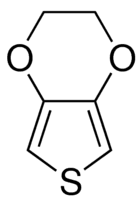
3,4-Ethylenedioxythiophene
Organic & Printed Electronics
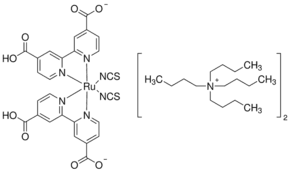
Di-tetrabutylammonium cis-bis(isothiocyanato)bis(2,2′-bipyridyl-4,4′-dicarboxylato)ruthenium(II)
Organic & Printed Electronics