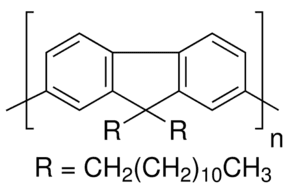
Poly(9,9-di-n-dodecylfluorenyl-2,7-diyl)
Poly(9,9-di-n-dodecylfluorenyl-2,7-diyl), CAS 248256-53-3, is a polyfluorene derivative with potential applications in organic electronics. Characterised by its conjugated polymer backbone and long alkyl side chains, it exhibits favourable solubility in common organic solvents like chloroform, methylene chloride, and toluene. This material is primarily utilised in research and development for light-emitting polymers (LEPs) and organic light-emitting diodes (OLEDs), contributing to advancements in display and lighting technologies.
- IUPAC
- PFD,Poly(9,9-di-n-dodecylfluorene)
- Synonyms
- 248256-53-3
Organic Light-Emitting Diodes (OLEDs)
This polymer serves as a key component in the fabrication of OLED devices. Its photoluminescent properties allow it to function as an emissive layer, contributing to the development of advanced display and lighting solutions.
Light-Emitting Polymers (LEPs)
As a member of the LEP family, this compound is explored for its utility in creating flexible and printable electronic devices. Its semiconducting nature is fundamental to its light-emitting capabilities.
Materials Science Research
Researchers in materials science utilise this polymer to investigate structure-property relationships in conjugated systems. Its specific chemical structure informs studies on charge transport and optical phenomena.
Printed Electronics
The solubility of this polymer in organic solvents makes it suitable for solution-processing techniques, enabling its use in printed electronics applications where low-cost manufacturing is desired.
| Solubility | chloroform: solublemethylene chloride: solubletoluene: soluble |
|---|
| Protective equipment | Eyeshields, Gloves |
|---|---|
| Water hazard class (WGK, DE) | 3 |
Hazard information is provided for guidance. Always consult the product Safety Data Sheet (SDS), available on request, before handling.
| Absorption | 369 nm |
|---|
Documentation
Every batch ships with a Certificate of Analysis covering assay, identity and purity; the grade is confirmed against your enquiry. Safety Data Sheets and technical data sheets are available on request.
Supply & logistics
Samples for technical evaluation; bulk MOQ by grade and packaging. In-stock material ships in 7–10 working days, worldwide, with full export documentation.
What is Poly(9,9-di-n-dodecylfluorenyl-2,7-diyl) used for?
+
Poly(9,9-di-n-dodecylfluorenyl-2,7-diyl) is primarily used in research and development for organic electronics, including organic light-emitting diodes (OLEDs), light-emitting polymers (LEPs), and printed electronics, due to its photoluminescent and semiconducting properties.
What is the CAS number and formula for Poly(9,9-di-n-dodecylfluorenyl-2,7-diyl)?
+
The CAS number for Poly(9,9-di-n-dodecylfluorenyl-2,7-diyl) is 248256-53-3. The formula is not provided in the product data.
What grade and purity does Tech Serve Solutions supply?
+
Tech Serve Solutions supplies this chemical for research and development purposes. The specific grade and purity are not detailed in the provided data, and TSS does not represent it as USP, BP, or EP grade.
What are the safety and handling recommendations for this chemical?
+
This chemical requires the use of eyeshields and gloves for personal protection. It has a WGK Germany rating of 3, indicating it is hazardous to water. Handle with appropriate precautions in a well-ventilated area.
How is this chemical packed, shipped, and exported?
+
Tech Serve Solutions is a global supplier and exporter of fine chemicals. Specific details regarding packing and shipping for this product are best obtained by contacting our sales team directly.
How can I request a sample or quote for this chemical?
+
To request a sample or obtain a quote for Poly(9,9-di-n-dodecylfluorenyl-2,7-diyl), please contact the Tech Serve Solutions sales department via our website or direct inquiry.
▶ Related products
Poly(3-hexylthiophene-2,5-diyl)
Organic & Printed Electronics
![[6,6]-Phenyl C71 butyric acid methyl ester, mixture of isomers — chemical structure, CAS 609771-63-3; Organic & Printed Electronics, fine chemical supplied by Tech Serve Solutions](/_next/image?url=https%3A%2F%2Fpub-f4d920c906024441a773a96f7098e551.r2.dev%2Fimages%2Fproducts%2F609771-63-3.png&w=3840&q=75)
[6,6]-Phenyl C71 butyric acid methyl ester, mixture of isomers
Organic & Printed Electronics
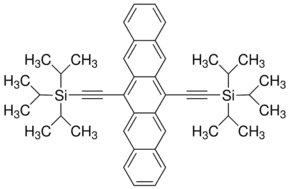
6,13-Bis(triisopropylsilylethynyl)pentacene
Organic & Printed Electronics
![[6,6]-Phenyl C61 butyric acid methyl ester — chemical structure, CAS 160848-22-6; Organic & Printed Electronics, fine chemical supplied by Tech Serve Solutions](/_next/image?url=https%3A%2F%2Fpub-f4d920c906024441a773a96f7098e551.r2.dev%2Fimages%2Fproducts%2F160848-22-6.png&w=3840&q=75)
[6,6]-Phenyl C61 butyric acid methyl ester
Organic & Printed Electronics
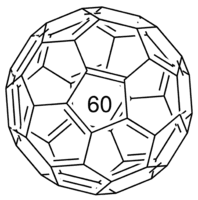
Fullerene-C60
C60
Organic & Printed Electronics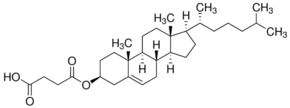
Cholesteryl hemisuccinate
C31H50O4
Organic & Printed Electronics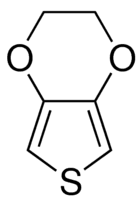
3,4-Ethylenedioxythiophene
Organic & Printed Electronics
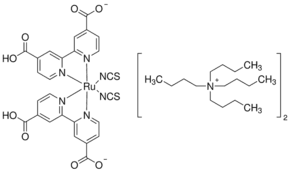
Di-tetrabutylammonium cis-bis(isothiocyanato)bis(2,2′-bipyridyl-4,4′-dicarboxylato)ruthenium(II)
Organic & Printed Electronics