
Poly(4-vinylpyridine-co-butyl methacrylate)
Poly(4-vinylpyridine-co-butyl methacrylate) (CAS 53761-76-5) is a copolymer primarily composed of 4-vinylpyridine and butyl methacrylate units, with approximately 90% 4-vinylpyridine content. This hydrophobic polymer finds utility in materials science, particularly in micro/nanoelectronics and polymer science. Its properties lend themselves to applications involving self-assembly and advanced lithography techniques.

Micro/Nanoelectronics
This polymer serves as a material in micro and nanoelectronics applications. Its characteristics are suitable for advanced fabrication processes requiring precise material deposition and patterning.
Materials Science
Utilised within materials science research, this copolymer contributes to the development of novel materials. Its hydrophobic nature and copolymer structure offer unique properties for various material formulations.
Nanoprint Lithography
Poly(4-vinylpyridine-co-butyl methacrylate) is employed in stamps for nanoprint lithography and microcontact printing. It facilitates the transfer of nanoscale patterns onto substrates.
Polymer Science
As a research-grade polymer, it is valuable in polymer science studies. Its synthesis and properties can be investigated for understanding copolymer behaviour and structure-property relationships.
| Quality | ~90% 4-vinylpyridine |
|---|
Documentation
Every batch ships with a Certificate of Analysis covering assay, identity and purity; the grade is confirmed against your enquiry. Safety Data Sheets and technical data sheets are available on request.
Supply & logistics
Samples for technical evaluation; bulk MOQ by grade and packaging. In-stock material ships in 7–10 working days, worldwide, with full export documentation.
What is Poly(4-vinylpyridine-co-butyl methacrylate) used for?
+
Poly(4-vinylpyridine-co-butyl methacrylate) is used in micro/nanoelectronics, materials science, and as stamps for nanoprint lithography and microcontact printing. It is also utilised in polymer science research.
What is the CAS number and formula for Poly(4-vinylpyridine-co-butyl methacrylate)?
+
The CAS number is 53761-76-5. The specific molecular formula is not provided but it is a copolymer of 4-vinylpyridine and butyl methacrylate.
What grade and purity does Tech Serve Solutions supply?
+
Tech Serve Solutions supplies this product with a purity of approximately 90% 4-vinylpyridine. This is a research-grade material, and TSS does not represent it as USP, BP, or EP grade.
What are the safety and handling considerations for this chemical?
+
This chemical has a WGK Germany classification of 3, indicating it is hazardous to water. Appropriate safety precautions should be taken during handling and storage to prevent environmental contamination.
How is this chemical packed, shipped, and exported?
+
Tech Serve Solutions packs and ships this chemical with adherence to all relevant safety and regulatory guidelines for fine chemicals. Export services are available globally.
How can I request a sample or quote for this product?
+
To request a sample or a quote, please contact the Tech Serve Solutions sales team via the website or by phone, specifying the product name and CAS number.
▶ Related products
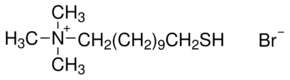
(11-Mercaptoundecyl)-N,N,N-trimethylammonium bromide
Micro / NanoElectronics

(11-Mercaptoundecyl)hexa(ethylene glycol)
C23H48O7S
Micro / NanoElectronics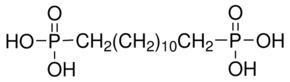
(12-Phosphonododecyl)phosphonic acid
C12H28O6P2
Micro / NanoElectronics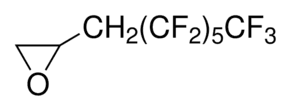
(2,2,3,3,4,4,5,5,6,6,7,7,7-Tridecafluoroheptyl)oxirane
C9H5F13O
Micro / NanoElectronics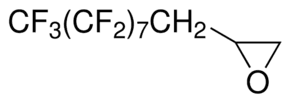
(2,2,3,3,4,4,5,5,6,6,7,7,8,8,9,9,9-Heptadecafluorononyl)oxirane
C11H5F17O
Micro / NanoElectronics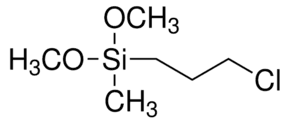
(3-Chloropropyl)dimethoxymethylsilane
Cl(CH2)3Si(OCH3)2CH3
Micro / NanoElectronics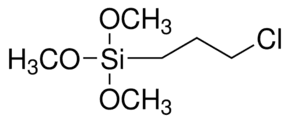
(3-Chloropropyl)trimethoxysilane
Cl(CH2)3Si(OCH3)3
Micro / NanoElectronics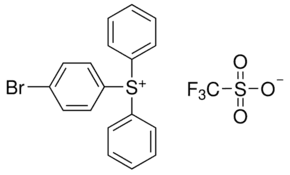
(4-Bromophenyl)diphenylsulfonium triflate
C19H14BrF3O3S2
Micro / NanoElectronics▶ Explore more

Bis(cyclopentadienyl)cobalt(III) hexafluorophosphate
C10H10CoF6P
Catalysis & Inorganic
1-(4-Chlorophenyl)biguanide hydrochloride
ClC6H4NHC(NH)NHC(NH)NH2 · HCl
Chemical Synthesis
Bis(cyclopentadienyl)dimethylzirconium(IV)
Catalysis & Inorganic

1-(4-Chlorophenyl)ethanol
ClC6H4CH(CH3)OH
Chemical Synthesis