Poly(1,4-butylene succinate), extended with 1,6-diisocyanatohexane
Poly(1,4-butylene succinate), extended with 1,6-diisocyanatohexane (CAS: 143606-53-5) is a hydrophobic polymer belonging to the ester and polymer science categories. This material exhibits a melting point (Tm) of 120 °C and a density of 1.3 g/mL at 25 °C. Its melt flow rate is specified as 10 g/10 min at 190 °C under a 2.16 kg load. Primarily utilised in the production of various polymer-based goods.
- Synonyms
- 6-diisocyanatohexane,143606-53-5

Polymer Manufacturing
This compound serves as a precursor or additive in the synthesis of diverse polymer-based products, leveraging its hydrophobic properties for enhanced material performance.
Material Science Applications
Utilised in materials science for the development of goods such as bags, ropes, and fibres, contributing to their structural integrity and hydrophobic characteristics.
Packaging Solutions
Applications include the formation of bottles and foamed cups, offering potential in specialised packaging where moisture resistance is a key attribute.
Consumer Goods
The polymer finds use in crafting items like cushions, where its physical properties can enhance comfort and durability.
| Density | 1.3 g/mL at 25 °C(lit.) |
|---|---|
| Application | Bags, rope, fibers, bottles, foamed cups and cushions. |
| Transition Temp | Tm 120 °C (DSC, peak) |
|---|
Documentation
Every batch ships with a Certificate of Analysis covering assay, identity and purity; the grade is confirmed against your enquiry. Safety Data Sheets and technical data sheets are available on request.
Supply & logistics
Samples for technical evaluation; bulk MOQ by grade and packaging. In-stock material ships in 7–10 working days, worldwide, with full export documentation.
What is Poly(1,4-butylene succinate), extended with 1,6-diisocyanatohexane used for?
+
Poly(1,4-butylene succinate), extended with 1,6-diisocyanatohexane is used in the manufacture of various polymer-based goods including bags, rope, fibres, bottles, foamed cups, and cushions, and is relevant in materials science and polymer science applications.
What are the CAS number and formula for this chemical?
+
The CAS number is 143606-53-5. The chemical formula is not provided in the available data.
What grade and purity does Tech Serve Solutions supply?
+
Tech Serve Solutions supplies this chemical for research and technical purposes. We do not represent it as USP, BP, EP, or any pharmacopoeia grade unless explicitly stated otherwise in the product specifications.
How should this chemical be handled and stored safely?
+
This chemical is classified with a Water Hazard Class (WGK) of 3 in Germany, indicating it is hazardous to water. Please consult the Safety Data Sheet (SDS) for comprehensive handling, storage, and disposal information. Ensure appropriate personal protective equipment is used.
How is this product packed, shipped, and exported?
+
Tech Serve Solutions carefully packs chemicals according to international shipping regulations. We are experienced global exporters, ensuring compliant and secure delivery worldwide. Please contact us for specific export details regarding your region.
How can I request a sample or a quote for Poly(1,4-butylene succinate), extended with 1,6-diisocyanatohexane?
+
To request a sample or obtain a quote, please use the 'Request a Quote' form on our website or contact our sales team directly with your requirements. Please include the CAS number 143606-53-5.
▶ Related products
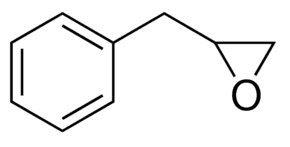
(2,3-Epoxypropyl)benzene
Polymer Science
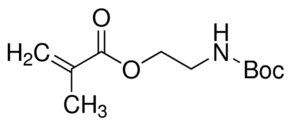
(2-Boc-amino)ethyl methacrylate
C11H19NO4
Polymer Science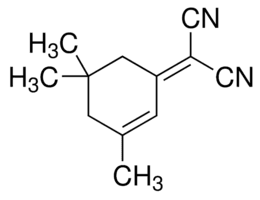
(3,5,5-Trimethylcyclohex-2-enylidene)malononitrile
Polymer Science
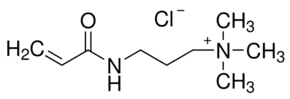
(3-Acrylamidopropyl)trimethylammonium chloride solution
Polymer Science
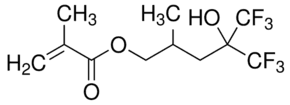
1,1,1-Trifluoro-2-(trifluoromethyl)-2-hydroxy-4-methyl-5-pentyl methacrylate
Polymer Science
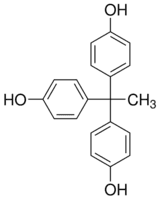
1,1,1-Tris(4-hydroxyphenyl)ethane
Polymer Science
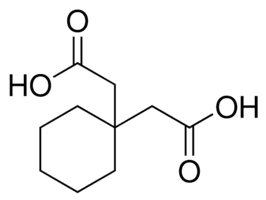
1,1-Cyclohexanediacetic acid
Polymer Science

1,12-Diisocyanatododecane
Polymer Science