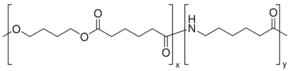
Poly(1,4-butylene adipate-co-polycaprolactam)
Poly(1,4-butylene adipate-co-polycaprolactam), CAS 66139-31-9, is a biodegradable polymer blend combining polyester and polyamide characteristics. This material exhibits a defined melting point of 125 °C and a softening point of 51 °C. Its density is 1.07 g/mL at 25 °C. Primarily utilised for disposable films and containers, it offers a sustainable alternative in material science applications.
Biodegradable Films
Utilised in the production of disposable films, this polymer offers an eco-friendly alternative for single-use applications in packaging and other sectors.
Disposable Containers
Suitable for manufacturing single-use containers, its biodegradable nature addresses environmental concerns associated with conventional plastics in food service and consumer goods.
Materials Science Research
Serves as a versatile material for research and development in polymer science, particularly in the study and application of biodegradable and specialty polymers.
| Density | 1.07 g/mL at 25 °C(lit.) |
|---|---|
| Solubility | acetone and gasoline: insoluble |
| Application | Disposable film and containers. |
| Protective equipment | Eyeshields, Gloves, type N95 (US), type P1 (EN143) respirator filter |
|---|---|
| Water hazard class (WGK, DE) | 3 |
Hazard information is provided for guidance. Always consult the product Safety Data Sheet (SDS), available on request, before handling.
| Transition Temp | Tm 125 °Csoftening point 51 °C (ISO 306) |
|---|
Documentation
Every batch ships with a Certificate of Analysis covering assay, identity and purity; the grade is confirmed against your enquiry. Safety Data Sheets and technical data sheets are available on request.
Supply & logistics
Samples for technical evaluation; bulk MOQ by grade and packaging. In-stock material ships in 7–10 working days, worldwide, with full export documentation.
What is Poly(1,4-butylene adipate-co-polycaprolactam) used for?
+
Poly(1,4-butylene adipate-co-polycaprolactam) is primarily used for disposable film and container applications, leveraging its biodegradable properties.
What are the CAS number and formula for this product?
+
The CAS number for Poly(1,4-butylene adipate-co-polycaprolactam) is 66139-31-9. The formula is not provided in the available data.
What grade and purity does Tech Serve Solutions supply?
+
Tech Serve Solutions supplies this chemical typically as a research or technical grade material. We do not represent it as USP, BP, EP, or other pharmacopoeia grades unless explicitly stated in the product specifications.
What are the safety and handling considerations for this chemical?
+
Handling requires appropriate personal protective equipment, including eyeshields and gloves. A type N95 (US) or type P1 (EN143) respirator filter is recommended. It has a WGK rating of 3 in Germany, indicating a high hazard to water.
How is this product packed, shipped, and exported?
+
As a global supplier, Tech Serve Solutions professionally packs and exports chemicals worldwide, adhering to all relevant shipping regulations for safe transit.
How can I request a sample or a quote for Poly(1,4-butylene adipate-co-polycaprolactam)?
+
To request a sample or a quote, please contact our sales team directly through the website or by phone, providing the product name and CAS number.
▶ Related products
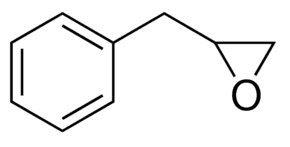
(2,3-Epoxypropyl)benzene
Polymer Science
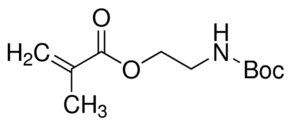
(2-Boc-amino)ethyl methacrylate
C11H19NO4
Polymer Science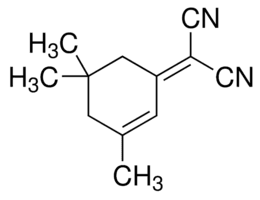
(3,5,5-Trimethylcyclohex-2-enylidene)malononitrile
Polymer Science
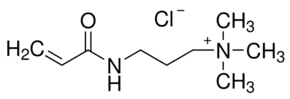
(3-Acrylamidopropyl)trimethylammonium chloride solution
Polymer Science
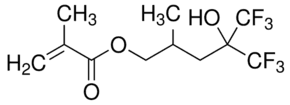
1,1,1-Trifluoro-2-(trifluoromethyl)-2-hydroxy-4-methyl-5-pentyl methacrylate
Polymer Science
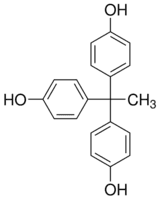
1,1,1-Tris(4-hydroxyphenyl)ethane
Polymer Science
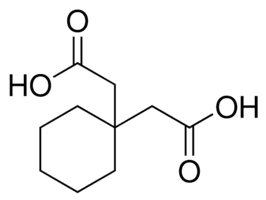
1,1-Cyclohexanediacetic acid
Polymer Science

1,12-Diisocyanatododecane
Polymer Science