Poly(1,3-propylene adipate)
Poly(1,3-propylene adipate), CAS 36568-42-0, is a hydrophobic polyester polymer characterised by its ester linkages. It is derived from the polymerisation of 1,3-propanediol and adipic acid. This polymer finds applications in materials science, particularly where its hydrophobic nature and specific thermal properties are beneficial. It is a key component in the development of various polymeric materials.
- Synonyms
- [O(CH2)3O2C(CH2)4CO]n
![Poly(1,3-propylene adipate) ([O(CH2)3O2C(CH2)4CO]n) — chemical structure, CAS 36568-42-0; Materials Science, fine chemical supplied by Tech Serve Solutions](/_next/image?url=https%3A%2F%2Fpub-f4d920c906024441a773a96f7098e551.r2.dev%2Fimages%2Fproducts%2F36568-42-0.png&w=3840&q=75)
Materials Science Research
Poly(1,3-propylene adipate) serves as a foundational material in polymer science research. Its predictable hydrophobic nature makes it suitable for studies involving water-repellent coatings and modified surfaces.
Polymer Synthesis and Modification
This polyester can be utilised as a monomer or comonomer in the synthesis of more complex polymers or for modifying the properties of existing polymer chains. Its ester backbone offers sites for potential chemical functionalisation.
Hydrophobic Material Development
The inherent hydrophobicity of Poly(1,3-propylene adipate) lends itself to applications requiring resistance to moisture and water. This includes potential use in protective coatings and specialised membranes.
| Linear formula | [O(CH2)3O2C(CH2)4CO]n |
|---|
| Protective equipment | Eyeshields, Gloves, type N95 (US), type P1 (EN143) respirator filter |
|---|---|
| Water hazard class (WGK, DE) | 3 |
Hazard information is provided for guidance. Always consult the product Safety Data Sheet (SDS), available on request, before handling.
| Transition Temp | Tg −59 °CTm 44 °C (DSC at peak) |
|---|
Documentation
Every batch ships with a Certificate of Analysis covering assay, identity and purity; the grade is confirmed against your enquiry. Safety Data Sheets and technical data sheets are available on request.
Supply & logistics
Samples for technical evaluation; bulk MOQ by grade and packaging. In-stock material ships in 7–10 working days, worldwide, with full export documentation.
What is Poly(1,3-propylene adipate) used for?
+
Poly(1,3-propylene adipate) is primarily used in materials science research and polymer synthesis, particularly for developing hydrophobic materials.
What is the CAS number and formula for Poly(1,3-propylene adipate)?
+
The CAS number for Poly(1,3-propylene adipate) is 36568-42-0. Its linear formula is [O(CH2)3O2C(CH2)4CO]n.
What grade and purity does Tech Serve Solutions supply?
+
Tech Serve Solutions supplies Poly(1,3-propylene adipate) suitable for research and development. We do not represent this product as USP, BP, EP, or pharmacopoeia grade.
How should Poly(1,3-propylene adipate) be handled and stored?
+
Handling requires appropriate personal protective equipment, including eyeshields, gloves, and a P1 (EN143) or N95 respirator. Store in a cool, dry place away from incompatible materials. Consult the Safety Data Sheet (SDS) for detailed information.
What are the GHS hazards for Poly(1,3-propylene adipate)?
+
The GHS classification indicates a WGK Germany rating of 3, suggesting it is hazardous to water. Refer to the SDS for comprehensive hazard information.
How is Poly(1,3-propylene adipate) shipped and exported?
+
Tech Serve Solutions, as a global supplier, professionally packs and exports chemicals worldwide, adhering to all relevant international shipping regulations.
How can I request a quote or sample for Poly(1,3-propylene adipate)?
+
To request a quote or sample, please visit the Tech Serve Solutions website or contact our sales team directly with your inquiry.
▶ Related products
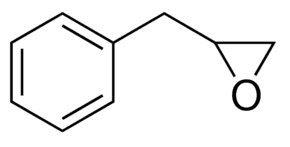
(2,3-Epoxypropyl)benzene
Polymer Science
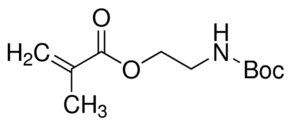
(2-Boc-amino)ethyl methacrylate
C11H19NO4
Polymer Science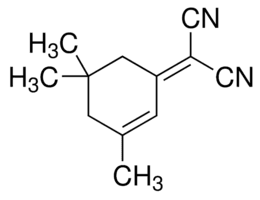
(3,5,5-Trimethylcyclohex-2-enylidene)malononitrile
Polymer Science
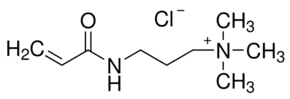
(3-Acrylamidopropyl)trimethylammonium chloride solution
Polymer Science
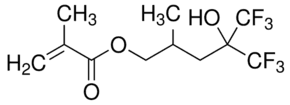
1,1,1-Trifluoro-2-(trifluoromethyl)-2-hydroxy-4-methyl-5-pentyl methacrylate
Polymer Science
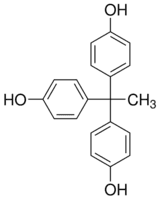
1,1,1-Tris(4-hydroxyphenyl)ethane
Polymer Science
1,1-Cyclohexanediacetic acid
Polymer Science

1,12-Diisocyanatododecane
Polymer Science