
PM-20
PM-20 (CAS 863886-38-8) is a bioactive small molecule with the empirical formula C20H19NO4S2 and a molecular weight of 401.50. This yellow solid, assaying ≥96% by HPLC, is primarily utilised as a research tool in cell biology, specifically within the study of cell signalling and kinase/phosphatase pathways. It acts as an inhibitor for serine/threonine phosphatases, making it valuable for investigating cellular processes regulated by these enzymes. Stored at -20°C, it is soluble in DMSO.
- IUPAC
- 1-[1,1′-Biphenyl]-4-yl-3,4-bis[(2-hydroxyethyl)thio]-1H-Pyrrole-2,5-dione

Cell Biology Research
PM-20 serves as a valuable tool for researchers studying fundamental cellular processes. Its ability to inhibit serine/threonine phosphatases makes it useful for dissecting signalling cascades and understanding cell cycle regulation.
Kinase/Phosphatase Pathway Investigation
As a phosphatase inhibitor, PM-20 is employed to study the interplay between kinases and phosphatases. This helps elucidate the roles of phosphorylation and dephosphorylation in cellular function and disease.
Neuroscience Research
Within neuroscience, PM-20 can be applied to investigate the involvement of specific phosphatase activities in neuronal signalling and function. Its application aids in understanding neurological pathways.
| Molecular weight | 401.50 |
|---|---|
| Empirical formula | C20H19NO4S2 |
| Assay | ≥96% (HPLC) |
| Form | solid |
| Colour | yellow |
| Solubility | DMSO: >10 mg/mL |
| Storage temperature | −20°C |

Hazard statements
- H400Very toxic to aquatic life
Precautionary statements
- P273Avoid release to the environment
| Protective equipment | Eyeshields, Gloves |
|---|---|
| Transport (UN / ADR) | UN 3077 9 / PGIII |
| Water hazard class (WGK, DE) | 3 |
| Hazard codes (EU) | N |
| Risk statements (R) | 50/53 |
| Safety statements (S) | 60-61 |
Hazard information is provided for guidance. Always consult the product Safety Data Sheet (SDS), available on request, before handling.
Documentation
Every batch ships with a Certificate of Analysis covering assay, identity and purity; the grade is confirmed against your enquiry. Safety Data Sheets and technical data sheets are available on request.
Supply & logistics
Samples for technical evaluation; bulk MOQ by grade and packaging. In-stock material ships in 7–10 working days, worldwide, with full export documentation.
What is PM-20 used for?
+
PM-20 is primarily used as a research tool in cell biology to study cell signalling, kinase/phosphatase pathways, and neuroscience, acting as a serine/threonine phosphatase inhibitor.
What is the CAS number and chemical formula for PM-20?
+
The CAS number for PM-20 is 863886-38-8, and its empirical formula is C20H19NO4S2.
What grade and purity does Tech Serve Solutions supply?
+
Tech Serve Solutions supplies PM-20 with a minimum purity of ≥96% (HPLC). This product is intended for research and laboratory use and is not supplied as USP, BP, EP, or pharmaceutical grade.
How should PM-20 be handled and stored?
+
PM-20 is classified as environmentally hazardous (H400). Handle with care, wearing appropriate personal protective equipment such as eyeshields and gloves. Store at -20°C. Avoid release to the environment (P273).
Is PM-20 a controlled substance?
+
Based on the provided data, PM-20 is not listed as a controlled substance.
How is PM-20 packed and shipped?
+
PM-20 is typically supplied as a yellow solid. It is shipped in compliance with regulations for environmentally hazardous substances (UN 3077 9 / PGIII).
How can I request a sample or quote for PM-20?
+
Please contact our sales team via the website to request a sample or a quotation for PM-20.
▶ Related products
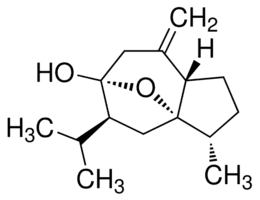
(−)-Curcumol
C15H24O2
Cell Biology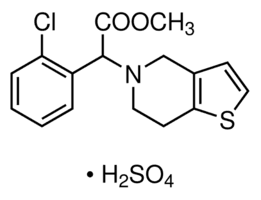
(±) Clopidogrel hydrogensulfate
Cell Biology
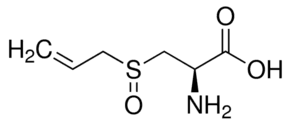
(±)-L-Alliin
C6H11NO3S
Cell Biology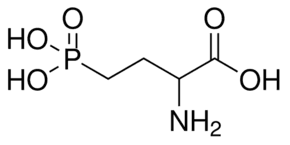
(±)-2-Amino-4-phosphonobutyric acid
C4H10NO5P
Cell Biology
(±)-2-Methylarachidonoyl-2′-fluoroethylamide
C23H38NOF
Cell Biology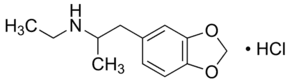
(±)-3,4-Methylenedioxy-N-ethylamphetamine hydrochloride
Cell Biology
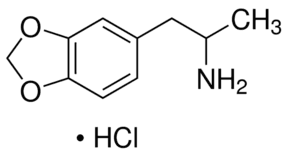
(±)-3,4-Methylenedioxyamphetamine hydrochloride
Cell Biology
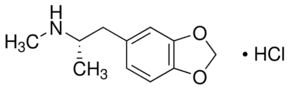
(±)-3,4-Methylenedioxymethamphetamine hydrochloride
Cell Biology
▶ Explore more

Bis(cyclopentadienyl)cobalt(III) hexafluorophosphate
C10H10CoF6P
Catalysis & Inorganic
1-(4-Chlorophenyl)biguanide hydrochloride
ClC6H4NHC(NH)NHC(NH)NH2 · HCl
Chemical Synthesis
Bis(cyclopentadienyl)dimethylzirconium(IV)
Catalysis & Inorganic

1-(4-Chlorophenyl)ethanol
ClC6H4CH(CH3)OH
Chemical Synthesis