
PiB
PiB (CAS 64005-90-9) is a chemical compound with the molecular formula C22H18N2O8 and a molecular weight of 438.39. This substance is primarily utilised in biochemical research, particularly within the fields of apoptosis and cell cycle studies. Its defined purity level makes it suitable for experimental applications, contributing to advancements in cell biology and signaling pathway investigations.

Apoptosis Research
PiB serves as a valuable reagent for researchers investigating the mechanisms of programmed cell death (apoptosis). It aids in understanding the complex signaling cascades involved in cellular demise.
Cell Cycle Analysis
This compound is employed in studies focused on cell cycle regulation and progression. It can assist in elucidating the molecular events that govern cell division and proliferation.
Cell Biology Investigations
PiB is utilised in broader cell biology research to explore cellular processes, stress responses, and signaling pathways. Its specific properties make it a useful tool for in vitro experimentation.
Neuroscience Research
Within neuroscience, PiB may be applied to study cellular signaling mechanisms relevant to neuronal function and dysfunction, contributing to a deeper understanding of neurological processes.
| Molecular weight | 438.39 |
|---|---|
| Empirical formula | C22H18N2O8 |
| Assay | ≥98% (HPLC) |
| Solubility | DMSO: soluble1-2 mg/mL (warmed) |
| Storage temperature | 2-8°C |

Hazard statements
- H400Very toxic to aquatic life
Precautionary statements
- P273Avoid release to the environment
| Transport (UN / ADR) | UN 3077 9 / PGIII |
|---|---|
| Water hazard class (WGK, DE) | 3 |
| Hazard codes (EU) | N |
| Risk statements (R) | 50 |
| Safety statements (S) | 61 |
Hazard information is provided for guidance. Always consult the product Safety Data Sheet (SDS), available on request, before handling.
Documentation
Every batch ships with a Certificate of Analysis covering assay, identity and purity; the grade is confirmed against your enquiry. Safety Data Sheets and technical data sheets are available on request.
Supply & logistics
Samples for technical evaluation; bulk MOQ by grade and packaging. In-stock material ships in 7–10 working days, worldwide, with full export documentation.
What is PiB used for?
+
PiB is primarily used in research related to apoptosis, cell cycle studies, cell biology, and neuroscience. It aids in investigating cellular processes, signaling pathways, and mechanisms of cell death.
What are the CAS number and molecular formula for PiB?
+
The CAS number for PiB is 64005-90-9, and its molecular formula is C22H18N2O8.
What grade and purity does Tech Serve Solutions supply?
+
Tech Serve Solutions supplies PiB with an assay of ≥98% (HPLC). We do not represent this product as USP, BP, EP, or pharmacopoeia grade.
How should PiB be handled and stored?
+
PiB is classified as a GHS09 substance with a 'Warning' signal word, carrying the hazard statement H400 (Very toxic to aquatic life). It requires careful handling to avoid environmental release. Store at 2-8°C.
Is PiB a controlled substance?
+
The provided safety data does not indicate that PiB is a controlled substance.
How is PiB shipped and exported?
+
PiB is shipped as UN 3077, Class 9, Packing Group III. Tech Serve Solutions is a specialist global supplier and exporter of fine chemicals.
How can I request a quote or sample for PiB?
+
To request a quote or sample for PiB, please contact our sales department via our website or direct enquiry channels.
▶ Related products
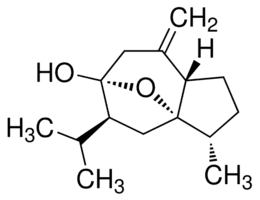
(−)-Curcumol
C15H24O2
Cell Biology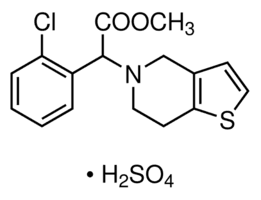
(±) Clopidogrel hydrogensulfate
Cell Biology
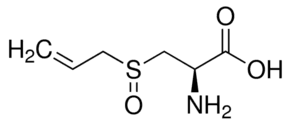
(±)-L-Alliin
C6H11NO3S
Cell Biology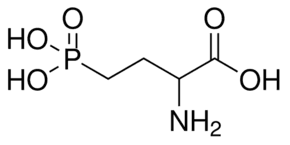
(±)-2-Amino-4-phosphonobutyric acid
C4H10NO5P
Cell Biology
(±)-2-Methylarachidonoyl-2′-fluoroethylamide
C23H38NOF
Cell Biology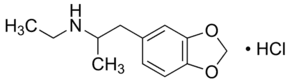
(±)-3,4-Methylenedioxy-N-ethylamphetamine hydrochloride
Cell Biology
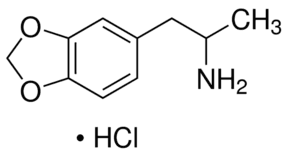
(±)-3,4-Methylenedioxyamphetamine hydrochloride
Cell Biology
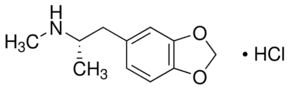
(±)-3,4-Methylenedioxymethamphetamine hydrochloride
Cell Biology
▶ Explore more

Bis(cyclopentadienyl)cobalt(III) hexafluorophosphate
C10H10CoF6P
Catalysis & Inorganic
1-(4-Chlorophenyl)biguanide hydrochloride
ClC6H4NHC(NH)NHC(NH)NH2 · HCl
Chemical Synthesis
Bis(cyclopentadienyl)dimethylzirconium(IV)
Catalysis & Inorganic

1-(4-Chlorophenyl)ethanol
ClC6H4CH(CH3)OH
Chemical Synthesis