
Phenyllithium solution
Phenyllithium solution (CAS: 591-51-5, C6H5Li, MW: 84.04) is a highly reactive organometallic reagent supplied by TSS. It is a potent nucleophile and base, widely employed in organic synthesis for carbon-carbon bond formation. Its applications include the generation of complex organic molecules, metallation reactions, and as an initiator in polymerization processes. This solution, typically at 1.9 M in dibutyl ether, requires careful handling due to its pyrophoric nature.
- IUPAC
- PhLi
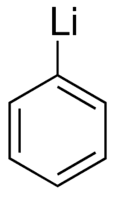
Organic Synthesis
Phenyllithium is a crucial reagent for introducing phenyl groups and facilitating C-C bond formation in complex organic molecules. It serves as a strong base for deprotonation and a nucleophile in various addition reactions.
Metallation Reactions
It is utilized for directed ortho-metallation and other regioselective functionalizations of aromatic and heteroaromatic systems, enabling precise molecular construction.
Polymerization Initiator
Phenyllithium can initiate anionic polymerization, particularly for styrenic and diene monomers, leading to polymers with controlled architectures.
| Molecular weight | 84.04 |
|---|---|
| Empirical formula | C6H5Li |
| Density | 0.835 g/mL at 25 °C |
| Concentration | 1.9 M in dibutyl ether |
| Storage temperature | 2-8°C |


Hazard statements
- H250Catches fire spontaneously if exposed to air
- H315Causes skin irritation
- H319Causes serious eye irritation
- H335May cause respiratory irritation
- H412Harmful to aquatic life with long-lasting effects
Precautionary statements
- P222Do not allow contact with air
- P231Handle under inert gas
- P261Avoid breathing dust, fume, gas or vapours
- P273Avoid release to the environment
- P305IF IN EYES
- P422
| Transport (UN / ADR) | UN 3392 4.2 / PGIheavy metals (as Pb): ≤5 ppm |
|---|---|
| Water hazard class (WGK, DE) | 3 |
| Hazard codes (EU) | F,XiCa: ≤0.05%Fe: ≤5 ppm |
| Risk statements (R) | 17-36/37/38-52/53Mg: ≤0.10% |
| Safety statements (S) | 26-61Na: ≤0.10% |
Hazard information is provided for guidance. Always consult the product Safety Data Sheet (SDS), available on request, before handling.
Documentation
Every batch ships with a Certificate of Analysis covering assay, identity and purity; the grade is confirmed against your enquiry. Safety Data Sheets and technical data sheets are available on request.
Supply & logistics
Samples for technical evaluation; bulk MOQ by grade and packaging. In-stock material ships in 7–10 working days, worldwide, with full export documentation.
What is Phenyllithium solution used for?
+
Phenyllithium solution is primarily used in organic synthesis for carbon-carbon bond formation, metallation reactions, and as an initiator in anionic polymerization.
What are the CAS number and formula for Phenyllithium solution?
+
The CAS number is 591-51-5, and the chemical formula is C6H5Li.
What grade and purity does Tech Serve Solutions supply for Phenyllithium solution?
+
TSS supplies Phenyllithium solution at a concentration of 1.9 M in dibutyl ether. We do not claim USP, BP, or EP grades unless explicitly stated in the product specifications, and it should be considered for research and industrial use.
How should Phenyllithium solution be handled safely?
+
Phenyllithium solution is highly reactive and pyrophoric (H250). It causes skin irritation (H315), serious eye irritation (H319), and may cause respiratory irritation (H335). It is also harmful to aquatic life with long-lasting effects (H412). Handle under an inert atmosphere, avoid contact with air and moisture, and wear appropriate personal protective equipment.
Is Phenyllithium solution shipped internationally by TSS?
+
Yes, Tech Serve Solutions is a global supplier and exporter of fine chemicals, including Phenyllithium solution, adhering to all relevant shipping and safety regulations.
How can I request a sample or quote for Phenyllithium solution?
+
To request a sample or a quote for Phenyllithium solution, please contact our sales team through the website or by phone, providing your specific requirements.
▶ Related products
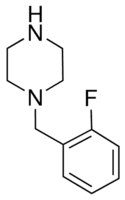
1-(2-Fluorobenzyl)piperazine
C11H15FN2
Chemical Synthesis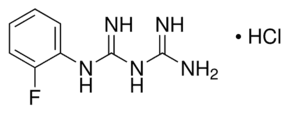
1-(2-Fluorophenyl)biguanide hydrochloride
Chemical Synthesis
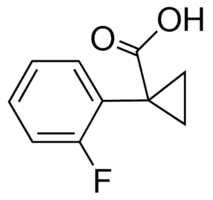
1-(2-Fluorophenyl)cyclopropanecarboxylic acid
C10H9FO2
Chemical Synthesis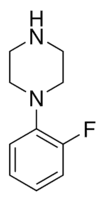
1-(2-Fluorophenyl)piperazine
C10H13FN2
Chemical Synthesis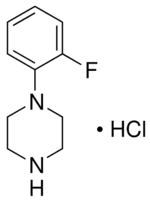
1-(2-Fluorophenyl)piperazine monohydrochloride
C10H13FN2 · HCl
Chemical Synthesis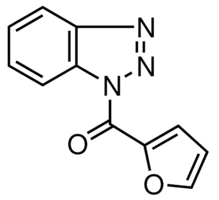
1-(2-Furoyl)-1H-benzotriazole
C11H7N3O2
Chemical Synthesis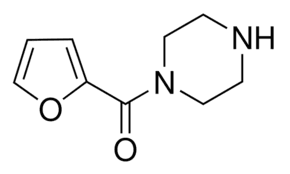
1-(2-Furoyl)piperazine
C9H12N2O2
Chemical Synthesis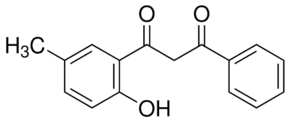
1-(2-Hydroxy-5-methylphenyl)-3-phenyl-1,3-propanedione
Chemical Synthesis
▶ Explore more

Bis(cyclopentadienyl)cobalt(III) hexafluorophosphate
C10H10CoF6P
Catalysis & Inorganic
1-(4-Chlorophenyl)biguanide hydrochloride
ClC6H4NHC(NH)NHC(NH)NH2 · HCl
Chemical Synthesis
Bis(cyclopentadienyl)dimethylzirconium(IV)
Catalysis & Inorganic

1-(4-Chlorophenyl)ethanol
ClC6H4CH(CH3)OH
Chemical Synthesis