
Pentaethylenehexamine
Pentaethylenehexamine (CAS: 4067-16-7), with the linear formula NH2CH2CH2NH(CH2CH2NH)3CH2CH2NH2 and a molecular weight of 232.37 g/mol, is a versatile polyamine. This organic compound functions as a key building block in chemical synthesis. Its applications include the preparation of polyisobutylene succinimide dispersants for engine oil additives, poly(glycidyl methacrylate) homopolymers, and poly(amidoamine)s.
- IUPAC
- 3,6,9,12-Tetraazatetradecane-1,14-diamine
- Synonyms
- 3,6,9,12-Tetraazatetradecane-1,14-diamine

Polyisobutylene Succinimide (PIBSI) Dispersants
Pentaethylenehexamine serves as a precursor in the synthesis of PIBSI dispersants. These additives are crucial for enhancing the performance of engine oils by preventing sludge and deposit formation.
Poly(glycidyl methacrylate) (P(GMA)) Homopolymers
This amine is utilised in the preparation of P(GMA) homopolymers. These polymers can find applications in various material science fields due to their reactive epoxide groups.
Poly(amidoamine) Synthesis
Pentaethylenehexamine is employed in the creation of poly(amidoamine)s. These polymers are known for their diverse properties and potential uses in areas such as water treatment or as complexing agents.
| Molecular weight | 232.37 |
|---|---|
| Linear formula | NH2CH2CH2NH(CH2CH2NH)3CH2CH2NH2 |
| Assay | 80-90% (T) |
| Density | 0.95 g/mL at 25 °C(lit.) |
| Refractive index | n20/D 1.5096(lit.) |
| Application | 5.Pentaethylenehexamine has been used in the preparation of:• polyisobutylene succinimide (PIBSI) dispersants, used as engine oil-additives1• poly(glycidyl methacrylate) (P(GMA)) homopolymers2• poly(amidoamine)s3 |


Hazard statements
- H302Harmful if swallowed
- H314Causes severe skin burns and eye damage
- H317May cause an allergic skin reaction
- H410Very toxic to aquatic life with long-lasting effects
Precautionary statements
- P273Avoid release to the environment
- P280Wear protective gloves, clothing and eye/face protection
- P305IF IN EYES
- P310Immediately call a POISON CENTER or doctor
- P501Dispose of contents and container per local regulations
| Protective equipment | Faceshields, full-face respirator (US), Gloves, Goggles, multi-purpose combination respirator cartridge (US), type ABEK (EN14387) respirator filter |
|---|---|
| Flash point | 113 °C / 235.4 °F |
| Transport (UN / ADR) | UN 2735 8/PG 3 |
| Water hazard class (WGK, DE) | 2 |
| Hazard codes (EU) | C,N |
| Risk statements (R) | 21/22-34-43-50/53 |
| Safety statements (S) | 26-36/37/39-45-60-61 |
Hazard information is provided for guidance. Always consult the product Safety Data Sheet (SDS), available on request, before handling.
Documentation
Every batch ships with a Certificate of Analysis covering assay, identity and purity; the grade is confirmed against your enquiry. Safety Data Sheets and technical data sheets are available on request.
Supply & logistics
Samples for technical evaluation; bulk MOQ by grade and packaging. In-stock material ships in 7–10 working days, worldwide, with full export documentation.
What is Pentaethylenehexamine used for?
+
Pentaethylenehexamine is used as a building block in chemical synthesis, notably for preparing polyisobutylene succinimide dispersants, poly(glycidyl methacrylate) homopolymers, and poly(amidoamine)s.
What are the CAS number and formula for Pentaethylenehexamine?
+
The CAS number for Pentaethylenehexamine is 4067-16-7, and its linear formula is NH2CH2CH2NH(CH2CH2NH)3CH2CH2NH2.
What grade and purity does Tech Serve Solutions supply?
+
Tech Serve Solutions supplies Pentaethylenehexamine with an assay of 80-90% (T). We do not represent this product as USP, BP, EP, or pharmacopoeia grade.
How should Pentaethylenehexamine be handled safely?
+
Pentaethylenehexamine is classified as Danger. It is harmful if swallowed or in contact with skin, causes severe skin burns and eye damage, may cause an allergic skin reaction, and is very toxic to aquatic life with long-lasting effects (H302 + H312-H314-H317-H410). Strict adherence to safety protocols, including the use of appropriate personal protective equipment such as gloves, goggles, and respirators, is essential.
How is Pentaethylenehexamine packed, shipped, and exported?
+
Pentaethylenehexamine is shipped as a dangerous good (UN 2735, Class 8, PG 3). Tech Serve Solutions can arrange for its export globally, adhering to all relevant shipping and handling regulations.
How can I request a quote or sample?
+
To request a quote or sample of Pentaethylenehexamine, please contact our sales team via the website or directly by phone. Please provide your required quantity and delivery details.
▶ Related products
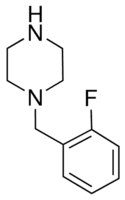
1-(2-Fluorobenzyl)piperazine
C11H15FN2
Chemical Synthesis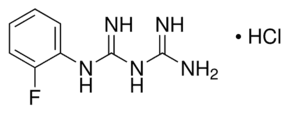
1-(2-Fluorophenyl)biguanide hydrochloride
Chemical Synthesis
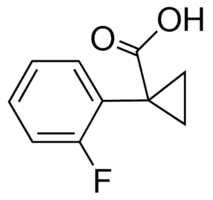
1-(2-Fluorophenyl)cyclopropanecarboxylic acid
C10H9FO2
Chemical Synthesis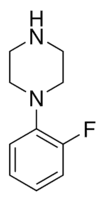
1-(2-Fluorophenyl)piperazine
C10H13FN2
Chemical Synthesis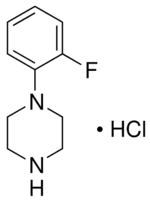
1-(2-Fluorophenyl)piperazine monohydrochloride
C10H13FN2 · HCl
Chemical Synthesis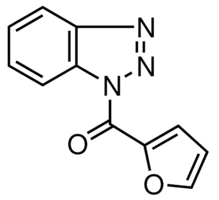
1-(2-Furoyl)-1H-benzotriazole
C11H7N3O2
Chemical Synthesis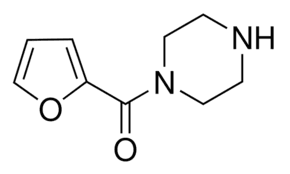
1-(2-Furoyl)piperazine
C9H12N2O2
Chemical Synthesis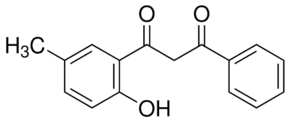
1-(2-Hydroxy-5-methylphenyl)-3-phenyl-1,3-propanedione
Chemical Synthesis
▶ Explore more

Bis(cyclopentadienyl)cobalt(III) hexafluorophosphate
C10H10CoF6P
Catalysis & Inorganic
1-(4-Chlorophenyl)biguanide hydrochloride
ClC6H4NHC(NH)NHC(NH)NH2 · HCl
Chemical Synthesis
Bis(cyclopentadienyl)dimethylzirconium(IV)
Catalysis & Inorganic

1-(4-Chlorophenyl)ethanol
ClC6H4CH(CH3)OH
Chemical Synthesis