
Pentachlorophenol
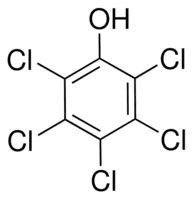
Pentachlorophenol (CAS: 87-86-5), with the molecular formula C6Cl5OH, is a chlorinated organic compound. It is primarily recognised for its historical use as a biocide, including as a wood preservative, herbicide, and insecticide. While its application has been restricted in many regions due to environmental and health concerns, it remains a significant compound in chemical synthesis and research. TSS supplies this chemical with a minimum assay of 97%.
Chemical Synthesis Intermediate
Pentachlorophenol serves as a precursor or intermediate in the synthesis of various organic compounds. Its reactive hydroxyl group and chlorinated aromatic ring allow for diverse chemical transformations in research and development settings.
Laboratory Reagent
Utilised in analytical chemistry and research laboratories, Pentachlorophenol can be employed in specific experimental procedures or as a reference standard. Its defined chemical structure makes it suitable for controlled laboratory applications.
Wood Preservation (Historical/Restricted)
Historically, Pentachlorophenol was widely used as a potent wood preservative to prevent fungal decay and insect attack. Due to environmental persistence and toxicity, its use in this capacity is now heavily regulated or banned in many countries.
| Molecular weight | 266.34 |
|---|---|
| Linear formula | C6Cl5OH |
| Assay | 97% |
| Boiling point | 310 °C(lit.) |
| Density | 1.978 g/mL at 25 °C(lit.) |
| Concentration | 5000 μg/mL in methanol |
| Vapour pressure | 40 mmHg (211.2 °C) |
| Melting point | 165-180 °C(lit.) |
| Vapour density | 9.2 (vs air) |
| Storage temperature | 2-8°C |


Hazard statements
- H301Toxic if swallowed
- H311Toxic in contact with skin
- H315Causes skin irritation
- H319Causes serious eye irritation
- H330Fatal if inhaled
- H335May cause respiratory irritation
- H351Suspected of causing cancer
- H410Very toxic to aquatic life with long-lasting effects
Precautionary statements
- P260Do not breathe dust, fume, gas, mist, vapours or spray
- P273Avoid release to the environment
- P280Wear protective gloves, clothing and eye/face protection
- P284Wear respiratory protection
- P301IF SWALLOWED
- P305IF IN EYES
| Transport (UN / ADR) | UN 3155 6.1 / PGII |
|---|---|
| Water hazard class (WGK, DE) | 3 |
| Hazard codes (EU) | T+,N |
| Risk statements (R) | 24/25-26-36/37/38-40-50/53 |
| Safety statements (S) | 22-36/37-45-52-60-61 |
Hazard information is provided for guidance. Always consult the product Safety Data Sheet (SDS), available on request, before handling.
Documentation
Every batch ships with a Certificate of Analysis covering assay, identity and purity; the grade is confirmed against your enquiry. Safety Data Sheets and technical data sheets are available on request.
Supply & logistics
Samples for technical evaluation; bulk MOQ by grade and packaging. In-stock material ships in 7–10 working days, worldwide, with full export documentation.
What is Pentachlorophenol used for?
+
Pentachlorophenol (CAS: 87-86-5) has historically been used as a biocide, including for wood preservation, as a herbicide, and insecticide. It is also utilized as an intermediate in chemical synthesis and as a laboratory reagent. TSS supplies this chemical for research and industrial purposes, with its specific applications subject to regulatory compliance.
What are the CAS number and molecular formula for Pentachlorophenol?
+
The CAS number for Pentachlorophenol is 87-86-5, and its molecular formula is C6Cl5OH.
What grade and purity does Tech Serve Solutions supply for Pentachlorophenol?
+
Tech Serve Solutions supplies Pentachlorophenol with a minimum assay of 97%. TSS does not represent this product as USP, BP, EP, or any other pharmacopoeia grade unless explicitly stated in the product documentation.
How should Pentachlorophenol be handled safely?
+
Pentachlorophenol is classified as toxic and an environmental hazard. Handle with extreme caution in a well-ventilated area, wearing appropriate personal protective equipment including gloves, eye protection, and respiratory protection (P260, P280, P284). Avoid release to the environment (P273). In case of exposure, seek immediate medical attention (P301 + P310). Store at 2-8°C (P305 + P351 + P338).
How is Pentachlorophenol packed and exported?
+
Pentachlorophenol is carefully packed according to international shipping regulations and exported globally by TSS. Specific packaging details can be provided upon request to meet customer and regulatory requirements.
How can I request a sample or quote for Pentachlorophenol?
+
To request a sample or a quote for Pentachlorophenol, please use the contact form on our website or reach out to our sales department directly. Please include the product name and CAS number (87-86-5) in your inquiry.
▶ Related products
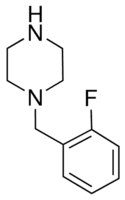
1-(2-Fluorobenzyl)piperazine
C11H15FN2
Chemical Synthesis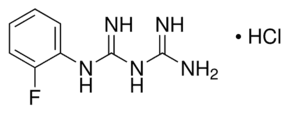
1-(2-Fluorophenyl)biguanide hydrochloride
Chemical Synthesis
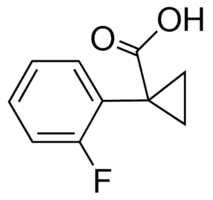
1-(2-Fluorophenyl)cyclopropanecarboxylic acid
C10H9FO2
Chemical Synthesis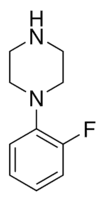
1-(2-Fluorophenyl)piperazine
C10H13FN2
Chemical Synthesis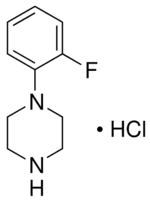
1-(2-Fluorophenyl)piperazine monohydrochloride
C10H13FN2 · HCl
Chemical Synthesis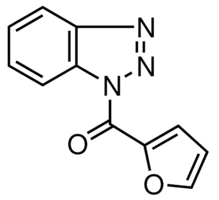
1-(2-Furoyl)-1H-benzotriazole
C11H7N3O2
Chemical Synthesis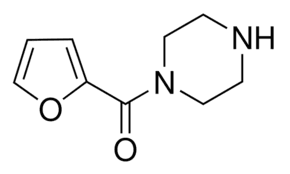
1-(2-Furoyl)piperazine
C9H12N2O2
Chemical Synthesis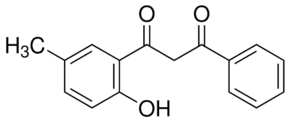
1-(2-Hydroxy-5-methylphenyl)-3-phenyl-1,3-propanedione
Chemical Synthesis
▶ Explore more

Bis(cyclopentadienyl)cobalt(III) hexafluorophosphate
C10H10CoF6P
Catalysis & Inorganic
1-(4-Chlorophenyl)biguanide hydrochloride
ClC6H4NHC(NH)NHC(NH)NH2 · HCl
Chemical Synthesis
Bis(cyclopentadienyl)dimethylzirconium(IV)
Catalysis & Inorganic

1-(4-Chlorophenyl)ethanol
ClC6H4CH(CH3)OH
Chemical Synthesis