
Oleuropein
Oleuropein (CAS: 32619-42-4, C25H32O13) is a secoiridoid glycoside found in olive trees, renowned for its significant antioxidant properties. This compound plays a crucial role in nutrition research and cell biology studies. With a molecular weight of 540.51 g/mol, it is supplied by Tech Serve Solutions at a purity of ≥98.0%, serving as a vital phytochemical for various research applications.
- IUPAC
- (2S,3E,4S)-3-Ethylidene-2-(β-D-glucopyranosyloxy)-3,4-dihydro-5-(methoxycarbonyl)-2H-pyran-4-acetic acid 2-(3,4-dihydroxyphenyl)ethyl ester

Antioxidant Research
Oleuropein is extensively studied for its potent antioxidant activity, helping to neutralise free radicals and mitigate oxidative stress in biological systems. Its properties make it a valuable compound in research focused on cellular protection and ageing processes.
Nutritional Science Studies
As a key phenolic compound in olives, Oleuropein is investigated for its potential health benefits within nutritional science. Research explores its role in metabolic health, cardiovascular function, and overall well-being.
Cellular Biology Investigations
Oleuropein serves as a valuable tool in cell biology, with ongoing research exploring its impact on cellular signalling pathways, inflammatory responses, and cell viability. Its defined chemical structure aids in understanding complex biological mechanisms.
Phytochemical Analysis
This compound is a significant phytochemical of interest, utilised in analytical chemistry for method development and standardisation. Its presence in plant extracts is often quantified using Oleuropein as a reference standard.
| Molecular weight | 540.51 |
|---|---|
| Empirical formula | C25H32O13 |
| Assay | ≥98.0% |
| Impurities tested | ≤5.0% water |
Documentation
Every batch ships with a Certificate of Analysis covering assay, identity and purity; the grade is confirmed against your enquiry. Safety Data Sheets and technical data sheets are available on request.
Supply & logistics
Samples for technical evaluation; bulk MOQ by grade and packaging. In-stock material ships in 7–10 working days, worldwide, with full export documentation.
What is Oleuropein primarily used for?
+
Oleuropein is primarily used in nutrition research and cell biology investigations due to its significant antioxidant properties and its role as a key phytochemical.
What is the CAS number and chemical formula for Oleuropein?
+
The CAS number for Oleuropein is 32619-42-4, and its chemical formula is C25H32O13.
What grade and purity does Tech Serve Solutions supply?
+
Tech Serve Solutions supplies Oleuropein with an assay of ≥98.0%. This product is intended for research and laboratory use and is not represented as USP, BP, EP, or any other pharmacopoeia grade.
How should Oleuropein be handled and stored?
+
Oleuropein is classified with a WGK Germany of 3, indicating it is hazardous to water. Handle with appropriate personal protective equipment in a well-ventilated area. Store in a cool, dry place away from incompatible materials.
Is Oleuropein available for export?
+
Yes, Tech Serve Solutions, as a specialist global supplier and exporter, can provide Oleuropein for international customers.
How can I request a sample or quote for Oleuropein?
+
To request a sample or a quote for Oleuropein, please contact our sales department through the TSS website or by calling our direct line.
▶ Related products
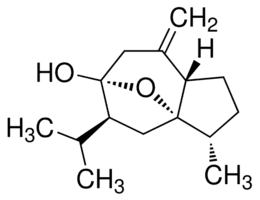
(−)-Curcumol
C15H24O2
Cell Biology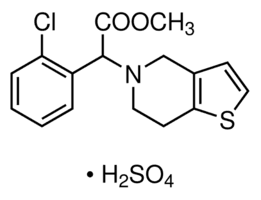
(±) Clopidogrel hydrogensulfate
Cell Biology
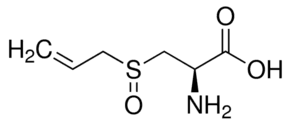
(±)-L-Alliin
C6H11NO3S
Cell Biology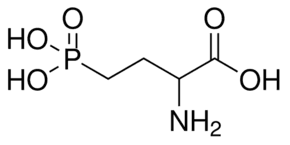
(±)-2-Amino-4-phosphonobutyric acid
C4H10NO5P
Cell Biology
(±)-2-Methylarachidonoyl-2′-fluoroethylamide
C23H38NOF
Cell Biology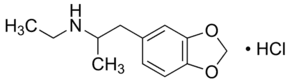
(±)-3,4-Methylenedioxy-N-ethylamphetamine hydrochloride
Cell Biology
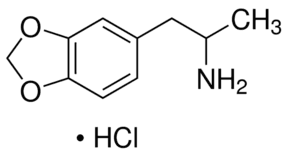
(±)-3,4-Methylenedioxyamphetamine hydrochloride
Cell Biology
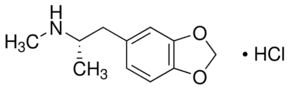
(±)-3,4-Methylenedioxymethamphetamine hydrochloride
Cell Biology
▶ Explore more

Bis(cyclopentadienyl)cobalt(III) hexafluorophosphate
C10H10CoF6P
Catalysis & Inorganic
1-(4-Chlorophenyl)biguanide hydrochloride
ClC6H4NHC(NH)NHC(NH)NH2 · HCl
Chemical Synthesis
Bis(cyclopentadienyl)dimethylzirconium(IV)
Catalysis & Inorganic

1-(4-Chlorophenyl)ethanol
ClC6H4CH(CH3)OH
Chemical Synthesis