NSCI
NSCI (CAS: 872254-32-5), with the molecular formula C26H25N3O6S and a molecular weight of 507.56 g/mol, is a bioactive small molecule. It functions as an apoptosis inhibitor, primarily interacting with caspases. This compound is a valuable research tool for investigating programmed cell death pathways and related cellular processes in biological and chemical research.
- IUPAC
- 1-(4-Methoxybenzyl)-5-[2-(pyridin-3-yl-oxymethyl)pyrrolidine-1-sulfonyl]-1H-indole-2,3-dione

Apoptosis Research
NSCI serves as a selective inhibitor of apoptosis, making it instrumental in studying the intricate mechanisms of programmed cell death. Researchers utilize it to modulate caspase activity and understand its role in various cellular contexts.
Cell Cycle Analysis
As a compound influencing apoptosis, NSCI can be employed in studies examining the cell cycle and its regulation. Its effects provide insights into how cell death pathways intersect with cell proliferation and growth.
Biochemical Assays
With a purity of ≥97% by HPLC, NSCI is suitable for use in biochemical assays. It aids in the characterization of enzyme kinetics, particularly for caspases, and in the screening of related therapeutic targets.
Cell Signaling Investigations
NSCI is used to probe cell signaling pathways, especially those involving caspases and SUMOylation. Its application helps elucidate complex signaling cascades relevant to cell survival, death, and disease.
| Molecular weight | 507.56 |
|---|---|
| Empirical formula | C26H25N3O6S |
| Assay | ≥97% (HPLC) |
| Form | solid |
| Solubility | DMSO: >10 mg/mLH2O: insoluble |
| Storage temperature | −20°C |
| Gene Information | human ... CASP1(834), CASP3(836), CASP6(839), CASP7(840), SUMO1(7341) |
|---|
Documentation
Every batch ships with a Certificate of Analysis covering assay, identity and purity; the grade is confirmed against your enquiry. Safety Data Sheets and technical data sheets are available on request.
Supply & logistics
Samples for technical evaluation; bulk MOQ by grade and packaging. In-stock material ships in 7–10 working days, worldwide, with full export documentation.
What is NSCI primarily used for?
+
NSCI is primarily used as an apoptosis inhibitor in research settings to study programmed cell death pathways, particularly those involving caspases.
What is the CAS number and molecular formula for NSCI?
+
The CAS number for NSCI is 872254-32-5, and its molecular formula is C26H25N3O6S.
What grade and purity does Tech Serve Solutions supply?
+
Tech Serve Solutions supplies NSCI with a purity of ≥97% by HPLC. This compound is intended for research and laboratory use and is not supplied as USP, BP, EP, or pharmaceutical grade.
What are the safety and handling precautions for NSCI?
+
NSCI is classified under WGK Germany 3, indicating it is hazardous to water. It should be handled with appropriate personal protective equipment in a well-ventilated area, and care should be taken to avoid its release into the environment.
How is NSCI typically supplied and exported?
+
NSCI is supplied as a solid and is available for global export. Please contact our sales team for specific packaging and shipping details relevant to your region.
How can I request a sample or quote for NSCI?
+
You can request a sample or a quote for NSCI by contacting our customer service department via email or phone, or through the product inquiry form on our website.
▶ Related products
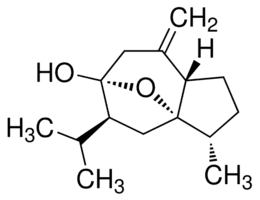
(−)-Curcumol
C15H24O2
Cell Biology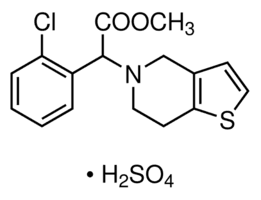
(±) Clopidogrel hydrogensulfate
Cell Biology
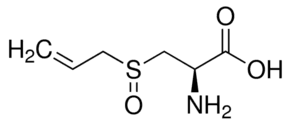
(±)-L-Alliin
C6H11NO3S
Cell Biology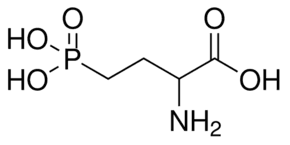
(±)-2-Amino-4-phosphonobutyric acid
C4H10NO5P
Cell Biology
(±)-2-Methylarachidonoyl-2′-fluoroethylamide
C23H38NOF
Cell Biology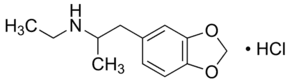
(±)-3,4-Methylenedioxy-N-ethylamphetamine hydrochloride
Cell Biology
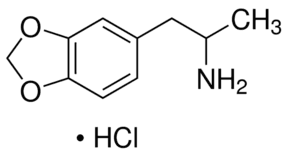
(±)-3,4-Methylenedioxyamphetamine hydrochloride
Cell Biology
(±)-3,4-Methylenedioxymethamphetamine hydrochloride
Cell Biology