
Nitronium tetrafluoroborate solution
Nitronium tetrafluoroborate solution (CAS: 13826-86-3, Formula: NO2BF4, MW: 132.81) is a potent oxidizing agent and a versatile reactant. It is supplied as a 0.5 M solution in sulfolane, with a density of 1.268 g/mL at 25°C. Stored at 2-8°C, this compound is crucial for the synthesis of various organic molecules, including pharmaceutical intermediates and materials for advanced electronic applications.

Organic Synthesis
Serves as a key reactant for the preparation of diverse organic compounds. This includes the synthesis of analogues of potent dopamine D1 receptor antagonists and anticonvulsant agents, as well as nitro- and aminoindole derivatives.
Materials Science
Utilised in the development of advanced materials, such as nano-sized cryptomelane particles for potentiometric potassium ion sensors and fluorescence probes for monitoring nitrative stress in neurodegenerative disorders.
Battery Technology
Employed as an oxidizing agent in high-power lithium-ion battery technology, contributing to large-scale applications essential for plug-in hybrid vehicles.
Biochemical Research
Applied in the synthesis of hydroxynitroalkyl esters, which act as affectors of the metabolism of sulfate-reducing bacteria, offering insights into microbial processes.
| Molecular weight | 132.81 |
|---|---|
| Linear formula | NO2BF4 |
| Assay | ≥95% |
| Density | 1.268 g/mL at 25 °C |
| Concentration | 0.5 M in sulfolane |
| Storage temperature | 2-8°C |
| Application | Reactant for preparation of:• Anologues of SCH 39166 as potent and selective dopamine D1 receptor antagonists1• Anticonvulsant agent SB-406725A2 • Nitro-derivatives of chlorambucil conjugated to prasterone and pregnenolone as anticancer agents3• Nano-sized cryptomelane particles for the formation of potentiometric potassium ion sensors4• Nitro- and aminoindole derivatives5• Hydroxynitroalkyl esters as affectors of metabolism of sulfate-reducing bacteria6• Fluorescence probes to monitor the generation of nitrative stress in neurodegenerative disorders7Used as:• Oxidizing agent in high-power Li-ion battery technology for large-scale applications as required for plug-in hybrid vehicles8 |


Hazard statements
- H302Harmful if swallowed
- H314Causes severe skin burns and eye damage
- H317May cause an allergic skin reaction
- H334May cause allergy or asthma symptoms if inhaled
Precautionary statements
- P261Avoid breathing dust, fume, gas or vapours
- P280Wear protective gloves, clothing and eye/face protection
- P305IF IN EYES
- P310Immediately call a POISON CENTER or doctor
| Protective equipment | Faceshields, full-face respirator (US), Gloves, Goggles, multi-purpose combination respirator cartridge (US), type ABEK (EN14387) respirator filter |
|---|---|
| Transport (UN / ADR) | UN 3264 8 / PGII |
| Water hazard class (WGK, DE) | 3 |
| Hazard codes (EU) | C |
| Risk statements (R) | 22-34-42/43 |
| Safety statements (S) | 23-26-36/37/39-45 |
Hazard information is provided for guidance. Always consult the product Safety Data Sheet (SDS), available on request, before handling.
Documentation
Every batch ships with a Certificate of Analysis covering assay, identity and purity; the grade is confirmed against your enquiry. Safety Data Sheets and technical data sheets are available on request.
Supply & logistics
Samples for technical evaluation; bulk MOQ by grade and packaging. In-stock material ships in 7–10 working days, worldwide, with full export documentation.
What is Nitronium tetrafluoroborate solution used for?
+
Nitronium tetrafluoroborate solution is used as a reactant in organic synthesis for preparing various compounds including potential pharmaceuticals and materials for sensors, and as an oxidizing agent in battery technology.
What are the CAS number and formula for Nitronium tetrafluoroborate solution?
+
The CAS number is 13826-86-3 and the chemical formula is NO2BF4.
What grade and purity does Tech Serve Solutions supply?
+
Tech Serve Solutions supplies Nitronium tetrafluoroborate solution with an assay of ≥95%. This product is supplied for laboratory and industrial use and is not represented as USP, BP, EP or other pharmacopoeia grades.
How should Nitronium tetrafluoroborate solution be handled safely?
+
Nitronium tetrafluoroborate solution is corrosive and may cause severe skin burns and eye damage. It is harmful if swallowed, and can cause allergic skin reactions and respiratory irritation. Handle with appropriate personal protective equipment, including gloves, eye protection, and respiratory protection, in a well-ventilated area. Refer to the Safety Data Sheet for full details.
Is Nitronium tetrafluoroborate solution available for export?
+
Yes, Tech Serve Solutions is a specialist global supplier and exporter of fine chemicals. We can arrange for the export of Nitronium tetrafluoroborate solution, adhering to all relevant shipping and regulatory requirements.
How can I request a sample or quote for Nitronium tetrafluoroborate solution?
+
To request a sample or a quotation for Nitronium tetrafluoroborate solution, please contact our sales team through the website or by calling our customer service number. Please specify the quantity and any specific delivery requirements.
▶ Related products
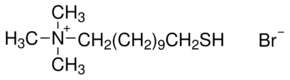
(11-Mercaptoundecyl)-N,N,N-trimethylammonium bromide
Micro / NanoElectronics

(11-Mercaptoundecyl)hexa(ethylene glycol)
C23H48O7S
Micro / NanoElectronics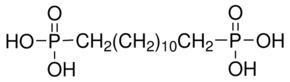
(12-Phosphonododecyl)phosphonic acid
C12H28O6P2
Micro / NanoElectronics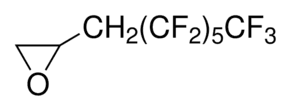
(2,2,3,3,4,4,5,5,6,6,7,7,7-Tridecafluoroheptyl)oxirane
C9H5F13O
Micro / NanoElectronics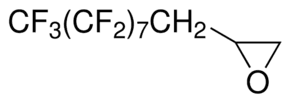
(2,2,3,3,4,4,5,5,6,6,7,7,8,8,9,9,9-Heptadecafluorononyl)oxirane
C11H5F17O
Micro / NanoElectronics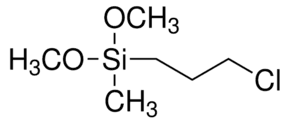
(3-Chloropropyl)dimethoxymethylsilane
Cl(CH2)3Si(OCH3)2CH3
Micro / NanoElectronics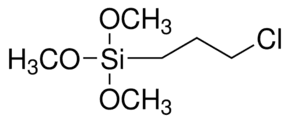
(3-Chloropropyl)trimethoxysilane
Cl(CH2)3Si(OCH3)3
Micro / NanoElectronics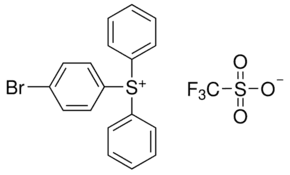
(4-Bromophenyl)diphenylsulfonium triflate
C19H14BrF3O3S2
Micro / NanoElectronics▶ Explore more

Bis(cyclopentadienyl)cobalt(III) hexafluorophosphate
C10H10CoF6P
Catalysis & Inorganic
1-(4-Chlorophenyl)biguanide hydrochloride
ClC6H4NHC(NH)NHC(NH)NH2 · HCl
Chemical Synthesis
Bis(cyclopentadienyl)dimethylzirconium(IV)
Catalysis & Inorganic

1-(4-Chlorophenyl)ethanol
ClC6H4CH(CH3)OH
Chemical Synthesis