
N-Phenylanthranilic acid
N-Phenylanthranilic acid (CAS 91-40-7), with the chemical formula C14H11NO2, is a valuable organic compound with a molecular weight of 213.23 g/mol. It is recognised for its utility as an intermediate in various chemical synthesis pathways. This compound serves as a key building block in the development of more complex molecules, finding applications in research and development across several scientific disciplines.
- IUPAC
- 2-(Phenylamino)benzoic acid,Diphenylamine-2-carboxylic acid,DpC
- Synonyms
- 2-(Phenylamino)benzoic acidDiphenylamine-2-carboxylic acidDpC

Chemical Synthesis Intermediate
N-Phenylanthranilic acid acts as a crucial intermediate in the synthesis of diverse organic molecules. Its structure lends itself to further chemical modifications, making it valuable in the creation of novel compounds for research.
Research and Development
This compound is frequently employed in chemical and biological research laboratories. Its availability supports studies in areas such as chemical biology and medicinal chemistry, contributing to the advancement of scientific understanding.
Bioactive Molecule Studies
As a bioactive small molecule and an unnatural amino acid derivative, N-Phenylanthranilic acid is utilised in investigations exploring biological pathways and interactions. This includes its relevance in cell biology research.
| Molecular weight | 213.23 |
|---|---|
| Linear formula | 2-(C6H5NH)C6H4CO2H |
| Assay | ≥95% (T) |
| Melting point | 182-185 °C(lit.)182-185 °C |

Hazard statements
- H315Causes skin irritation
- H319Causes serious eye irritation
- H335May cause respiratory irritation
Precautionary statements
- P261Avoid breathing dust, fume, gas or vapours
- P305IF IN EYES
| Protective equipment | dust mask type N95 (US), Eyeshields, Gloves |
|---|---|
| Water hazard class (WGK, DE) | 3 |
| Hazard codes (EU) | Xi |
| Risk statements (R) | 36/37/38 |
| Safety statements (S) | 26-36 |
Hazard information is provided for guidance. Always consult the product Safety Data Sheet (SDS), available on request, before handling.
| Gene Information | human ... TTR(7276) |
|---|
Documentation
Every batch ships with a Certificate of Analysis covering assay, identity and purity; the grade is confirmed against your enquiry. Safety Data Sheets and technical data sheets are available on request.
Supply & logistics
Samples for technical evaluation; bulk MOQ by grade and packaging. In-stock material ships in 7–10 working days, worldwide, with full export documentation.
What is N-Phenylanthranilic acid used for?
+
N-Phenylanthranilic acid is primarily used as an intermediate in chemical synthesis and in research and development, particularly within chemical biology, cell biology, and peptide chemistry.
What is the CAS number and formula for N-Phenylanthranilic acid?
+
The CAS number for N-Phenylanthranilic acid is 91-40-7, and its chemical formula is C14H11NO2 (2-(C6H5NH)C6H4CO2H).
What grade and purity does Tech Serve Solutions supply?
+
Tech Serve Solutions supplies N-Phenylanthranilic acid with an assay of ≥95% (T). TSS does not represent this product as USP, BP, or EP grade.
What are the safety considerations for handling N-Phenylanthranilic acid?
+
N-Phenylanthranilic acid is classified with GHS07 symbol and a Warning signal word, carrying hazard statements H315 (Causes skin irritation), H319 (Causes serious eye irritation), and H335 (May cause respiratory irritation). Appropriate personal protective equipment including a dust mask (type N95 US), eyeshields, and gloves should be used. Ensure good ventilation and avoid breathing dust.
How is N-Phenylanthranilic acid packed and shipped?
+
N-Phenylanthranilic acid is carefully packaged to maintain its integrity during transit. TSS exports chemicals globally, adhering to all relevant shipping regulations.
How can I request a sample or quote for N-Phenylanthranilic acid?
+
To request a sample or a quote for N-Phenylanthranilic acid, please contact our sales team via the website or by phone. Please specify the quantity required.
▶ Related products
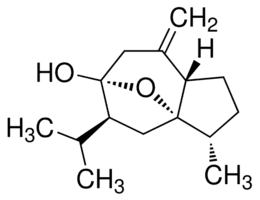
(−)-Curcumol
C15H24O2
Cell Biology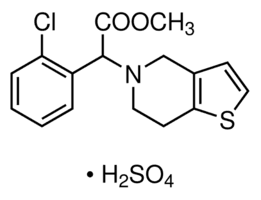
(±) Clopidogrel hydrogensulfate
Cell Biology
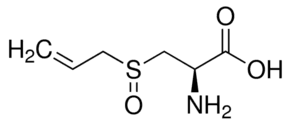
(±)-L-Alliin
C6H11NO3S
Cell Biology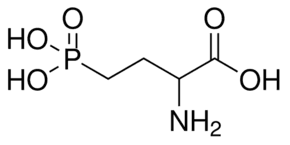
(±)-2-Amino-4-phosphonobutyric acid
C4H10NO5P
Cell Biology
(±)-2-Methylarachidonoyl-2′-fluoroethylamide
C23H38NOF
Cell Biology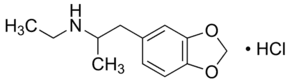
(±)-3,4-Methylenedioxy-N-ethylamphetamine hydrochloride
Cell Biology
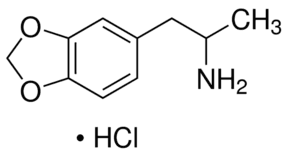
(±)-3,4-Methylenedioxyamphetamine hydrochloride
Cell Biology
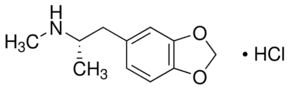
(±)-3,4-Methylenedioxymethamphetamine hydrochloride
Cell Biology
▶ Explore more

Bis(cyclopentadienyl)cobalt(III) hexafluorophosphate
C10H10CoF6P
Catalysis & Inorganic
1-(4-Chlorophenyl)biguanide hydrochloride
ClC6H4NHC(NH)NHC(NH)NH2 · HCl
Chemical Synthesis
Bis(cyclopentadienyl)dimethylzirconium(IV)
Catalysis & Inorganic

1-(4-Chlorophenyl)ethanol
ClC6H4CH(CH3)OH
Chemical Synthesis