N-Octyl-2-pyridylmethanimine
N-Octyl-2-pyridylmethanimine (CAS: 200629-71-6, Formula: C14H22N2) is a chemical compound with a molecular weight of 218.34 g/mol. It is primarily utilised as a ligand in atom transfer radical polymerization (ATRP) and related controlled radical polymerization techniques. This compound plays a crucial role in materials science and polymer science for synthesising polymers with controlled architectures and properties. Tech Serve Solutions supplies this reagent at a minimum purity of 97%.
- IUPAC
- N-(2-Pyridinylmethylene)-1-octanamine,Octyl ATRP ligand

Atom Transfer Radical Polymerization (ATRP)
N-Octyl-2-pyridylmethanimine serves as an effective ligand in copper-mediated ATRP. It facilitates the controlled polymerisation of various monomers, enabling the synthesis of polymers with predetermined molecular weights and low polydispersities.
Controlled Polymer Synthesis
This compound is instrumental in advanced polymerisation techniques within polymer science. Its use allows for precise control over polymer chain growth, leading to complex polymer architectures like block copolymers and star polymers.
Materials Science Research
Researchers in materials science employ N-Octyl-2-pyridylmethanimine for developing novel polymeric materials. Its application aids in tailoring material properties for specific advanced applications through controlled polymer structures.
| Molecular weight | 218.34 |
|---|---|
| Empirical formula | C14H22N2 |
| Assay | 97% |
| Flash point | >110 °C / >230 °F |
|---|---|
| Water hazard class (WGK, DE) | 3 |
Hazard information is provided for guidance. Always consult the product Safety Data Sheet (SDS), available on request, before handling.
Documentation
Every batch ships with a Certificate of Analysis covering assay, identity and purity; the grade is confirmed against your enquiry. Safety Data Sheets and technical data sheets are available on request.
Supply & logistics
Samples for technical evaluation; bulk MOQ by grade and packaging. In-stock material ships in 7–10 working days, worldwide, with full export documentation.
What is N-Octyl-2-pyridylmethanimine used for?
+
N-Octyl-2-pyridylmethanimine is primarily used as a ligand in atom transfer radical polymerization (ATRP) and other controlled radical polymerization methods for synthesising polymers with specific architectures and properties.
What is the CAS number and chemical formula for N-Octyl-2-pyridylmethanimine?
+
The CAS number for N-Octyl-2-pyridylmethanimine is 200629-71-6, and its chemical formula is C14H22N2.
What grade and purity does Tech Serve Solutions supply?
+
Tech Serve Solutions supplies N-Octyl-2-pyridylmethanimine with a minimum purity of 97%.
What are the safety and handling considerations for N-Octyl-2-pyridylmethanimine?
+
N-Octyl-2-pyridylmethanimine has a flash point greater than 110 °C (230 °F) and a WGK (German Water Hazard Class) of 3, indicating it is hazardous to water. Appropriate personal protective equipment should be used during handling.
How is N-Octyl-2-pyridylmethanimine packed and shipped?
+
N-Octyl-2-pyridylmethanimine is carefully packed and can be exported globally by Tech Serve Solutions.
How can I request a quote or sample of N-Octyl-2-pyridylmethanimine?
+
Please contact Tech Serve Solutions directly to request a quote or a sample of N-Octyl-2-pyridylmethanimine.
▶ Related products
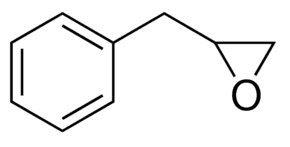
(2,3-Epoxypropyl)benzene
Polymer Science
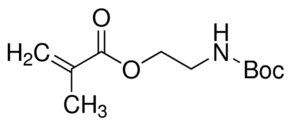
(2-Boc-amino)ethyl methacrylate
C11H19NO4
Polymer Science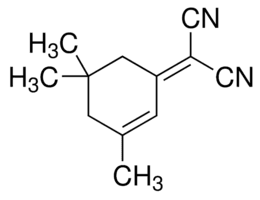
(3,5,5-Trimethylcyclohex-2-enylidene)malononitrile
Polymer Science
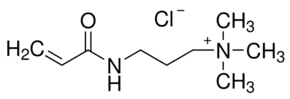
(3-Acrylamidopropyl)trimethylammonium chloride solution
Polymer Science
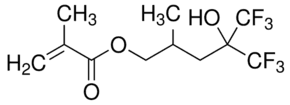
1,1,1-Trifluoro-2-(trifluoromethyl)-2-hydroxy-4-methyl-5-pentyl methacrylate
Polymer Science
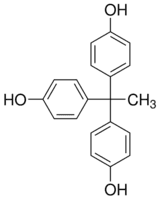
1,1,1-Tris(4-hydroxyphenyl)ethane
Polymer Science
1,1-Cyclohexanediacetic acid
Polymer Science

1,12-Diisocyanatododecane
Polymer Science