
Mechlorethamine hydrochloride
Mechlorethamine hydrochloride (CAS 55-86-7), with the linear formula (ClCH2CH2)2NCH3·HCl and a molecular weight of 192.51 g/mol, is a nitrogen mustard compound. It is primarily utilised in chemical synthesis and as a building block in organic chemistry. This compound has also been employed in specific biological assays, for example, in the identification of apurinic/apyrimidinic endonuclease inhibitors and in studies evaluating skin toxicity countermeasures.
- IUPAC
- 2-Chloro-N-(2-chloroethyl)-N-methylethanamine,N-Methylbis(2-chloroethyl)amine hydrochloride,Bis(2-Chloroethyl)methylamine,Bis(2-chloroethyl)methylamine,MBA hydrochloride,NM,Nitrogen mustard
- Synonyms
- 2-Chloro-N-(2-chloroethyl)-N-methylethanamine hydrochlorideN-Methylbis(2-chloroethyl)amine hydrochlorideBis(2-Chloroethyl)methylamine hydrochlorideNitrogen mustard hydrochloride

Apurinic/Apyrimidinic Site Cleavage Assay
Mechlorethamine hydrochloride has been used in fluorescence-based assays to investigate apurinic/apyrimidinic (AP) site cleavage. This application aids in the identification and study of AP endonuclease inhibitors within human cells.
Dermal Toxicity Studies
In research concerning chemical protection, this compound was used to demonstrate the efficacy of povidone iodine ointment. The study focused on its ability to counteract skin toxicity induced by nitrogen mustards.
Organic Synthesis Building Block
As a versatile organic molecule, mechlorethamine hydrochloride serves as a valuable building block in complex chemical syntheses. Its reactive nature allows for incorporation into various synthetic pathways.
| Molecular weight | 192.51 |
|---|---|
| Linear formula | (ClCH2CH2)2NCH3·HCl |
| Assay | 98% |
| Solubility | H2O: very solublealcohol: soluble |
| Application | Mechlorethamine hydrochloride was used in a fluorescence-based apurinic/apyrimidinic site cleavage assay for the identification of apurinic/apyrimidinic endonuclease inhibitors in human cells1. It was used in a study to demonstrate the effect of povidone iodine ointment against skin toxicity caused by sulphur and nitrogen mustard2. |
| Melting point | 108-111 °C(lit.) |


Hazard statements
- H300Fatal if swallowed
- H314Causes severe skin burns and eye damage
- H340May cause genetic defects
- H350May cause cancer
- H360D
Precautionary statements
- P201Obtain special instructions before use
- P264Wash thoroughly after handling
- P280Wear protective gloves, clothing and eye/face protection
- P301IF SWALLOWED
- P305IF IN EYES
- P310Immediately call a POISON CENTER or doctor
| Protective equipment | Eyeshields, Faceshields, full-face particle respirator type N100 (US), Gloves, respirator cartridge type N100 (US), type P1 (EN143) respirator filter, type P3 (EN 143) respirator cartridges |
|---|---|
| Transport (UN / ADR) | UN 2811 6.1/PG 2 |
| Water hazard class (WGK, DE) | 3 |
| Hazard codes (EU) | T+ |
| Risk statements (R) | 45-46-61-27/28-34 |
| Safety statements (S) | 53-36/37/39-45 |
Hazard information is provided for guidance. Always consult the product Safety Data Sheet (SDS), available on request, before handling.
Documentation
Every batch ships with a Certificate of Analysis covering assay, identity and purity; the grade is confirmed against your enquiry. Safety Data Sheets and technical data sheets are available on request.
Supply & logistics
Samples for technical evaluation; bulk MOQ by grade and packaging. In-stock material ships in 7–10 working days, worldwide, with full export documentation.
What is Mechlorethamine hydrochloride used for?
+
Mechlorethamine hydrochloride is used as a building block in organic synthesis and in specialised research applications, such as apurinic/apyrimidinic site cleavage assays and dermal toxicity studies.
What are the CAS number and formula for Mechlorethamine hydrochloride?
+
The CAS number for Mechlorethamine hydrochloride is 55-86-7 and its linear formula is (ClCH2CH2)2NCH3·HCl.
What grade and purity does Tech Serve Solutions supply?
+
Tech Serve Solutions supplies Mechlorethamine hydrochloride with an assay of 98%. We do not represent this product as meeting USP, BP, or EP pharmacopoeial standards.
How should Mechlorethamine hydrochloride be handled safely?
+
Mechlorethamine hydrochloride is a dangerous substance requiring stringent safety precautions. It is classified with danger symbols GHS05, GHS06, and GHS08, with a 'Danger' signal word. Hazards include severe skin burns and eye damage (H314), mutagenicity (H340), carcinogenicity (H350), and reproductive toxicity (H360D), alongside acute toxicity (H300). Appropriate personal protective equipment, including eyeshields, face shields, full-face particle respirators (type N100), and chemical-resistant gloves, is mandatory. Handle only in well-ventilated areas or under a fume hood.
How is Mechlorethamine hydrochloride packed and shipped?
+
Mechlorethamine hydrochloride is packed and shipped according to international regulations for hazardous materials, including UN 2811 classification. We export globally, ensuring compliance with all relevant shipping and customs requirements.
How can I request a sample or quote for Mechlorethamine hydrochloride?
+
To request a sample or a quotation for Mechlorethamine hydrochloride, please contact our sales team via the website or by email, specifying your requirements and delivery location.
▶ Related products
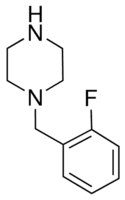
1-(2-Fluorobenzyl)piperazine
C11H15FN2
Chemical Synthesis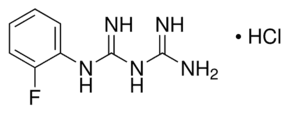
1-(2-Fluorophenyl)biguanide hydrochloride
Chemical Synthesis
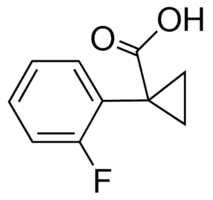
1-(2-Fluorophenyl)cyclopropanecarboxylic acid
C10H9FO2
Chemical Synthesis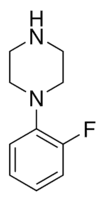
1-(2-Fluorophenyl)piperazine
C10H13FN2
Chemical Synthesis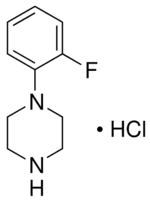
1-(2-Fluorophenyl)piperazine monohydrochloride
C10H13FN2 · HCl
Chemical Synthesis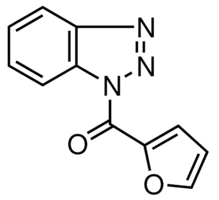
1-(2-Furoyl)-1H-benzotriazole
C11H7N3O2
Chemical Synthesis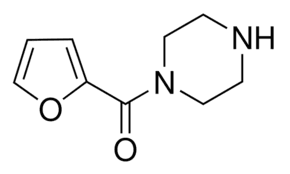
1-(2-Furoyl)piperazine
C9H12N2O2
Chemical Synthesis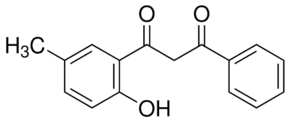
1-(2-Hydroxy-5-methylphenyl)-3-phenyl-1,3-propanedione
Chemical Synthesis
▶ Explore more

Bis(cyclopentadienyl)cobalt(III) hexafluorophosphate
C10H10CoF6P
Catalysis & Inorganic
1-(4-Chlorophenyl)biguanide hydrochloride
ClC6H4NHC(NH)NHC(NH)NH2 · HCl
Chemical Synthesis
Bis(cyclopentadienyl)dimethylzirconium(IV)
Catalysis & Inorganic

1-(4-Chlorophenyl)ethanol
ClC6H4CH(CH3)OH
Chemical Synthesis