Mastoparan, Vespula lewisii
Mastoparan (CAS 72093-21-1) is a synthetic peptide with the empirical formula C70H131N19O15 and a molecular weight of 1478.91 g/mol. Derived from Vespula lewisii venom, this bioactive small molecule is known for its ability to activate phospholipases and influence cell signaling pathways, particularly in neuroscience and cell biology research. It is supplied as a white powder with a purity of ≥97% by HPLC.
- Synonyms
- Mastoparan (Vespula lewisii)Mastoparan (synthetic)

Cell Signaling Research
Mastoparan is utilised to investigate cellular signalling cascades, specifically focusing on the activation of G proteins and phospholipases. Its mechanism involves interacting with cell membranes and intracellular signalling components.
Neuroscience Studies
This peptide serves as a tool in neuroscience to explore neurotransmitter release and neuronal membrane interactions. Its effects on ion channels and cellular excitability are areas of active investigation.
Phospholipase Activation Studies
Mastoparan is employed to study the activity and regulation of various phospholipase enzymes. It helps elucidate the complex pathways of phospholipid metabolism and cellular response.
Bioactive Peptide Research
As a naturally occurring toxin analogue, Mastoparan is a valuable reagent for broader research into bioactive peptides and their physiological effects. It aids in understanding venom components and their biological impact.
| Molecular weight | 1478.91 |
|---|---|
| Empirical formula | C70H131N19O15 |
| Assay | ≥97% (HPLC) |
| Form | powder |
| Colour | white |
| Storage temperature | −20°C |
| Biological source | synthetic |
| Protective equipment | Eyeshields, Gloves, type N95 (US), type P1 (EN143) respirator filter |
|---|---|
| Water hazard class (WGK, DE) | 3 |
Hazard information is provided for guidance. Always consult the product Safety Data Sheet (SDS), available on request, before handling.
| Gene Information | human ... CALM1(801), PLA2R1(22925)mouse ... CALM1(12313), PLA2R1(18779)rat ... CALM1(24242), PLA2R1(295631) |
|---|
Documentation
Every batch ships with a Certificate of Analysis covering assay, identity and purity; the grade is confirmed against your enquiry. Safety Data Sheets and technical data sheets are available on request.
Supply & logistics
Samples for technical evaluation; bulk MOQ by grade and packaging. In-stock material ships in 7–10 working days, worldwide, with full export documentation.
What is Mastoparan, Vespula lewisii used for?
+
Mastoparan, Vespula lewisii (CAS 72093-21-1) is primarily used in research for investigating cell signaling pathways, neuroscience, and phospholipase activation due to its bioactive properties.
What is the CAS number and empirical formula for Mastoparan, Vespula lewisii?
+
The CAS number is 72093-21-1 and the empirical formula is C70H131N19O15.
What grade and purity does Tech Serve Solutions supply?
+
Tech Serve Solutions supplies Mastoparan, Vespula lewisii with a purity of ≥97% (HPLC). This product is intended for research use and is not represented as USP, EP, BP, or any other pharmacopoeia grade.
How should Mastoparan, Vespula lewisii be handled and stored?
+
Handle Mastoparan, Vespula lewisii with appropriate personal protective equipment, including eyeshields, gloves, and a type N95 (US) or type P1 (EN143) respirator filter. Store at -20°C. It is classified under WGK Germany 3.
How is Mastoparan, Vespula lewisii packed, shipped, and exported?
+
Mastoparan, Vespula lewisii is supplied as a white powder and is packed according to industry standards for safe transport. TSS exports globally, adhering to all relevant regulations for chemical shipments.
How can I request a sample or quote for Mastoparan, Vespula lewisii?
+
To request a sample or quote, please contact the Tech Serve Solutions sales team through our website or by phone, providing the product name and CAS number (72093-21-1).
▶ Related products
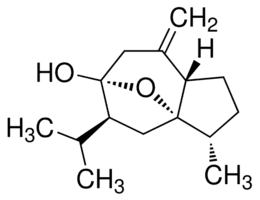
(−)-Curcumol
C15H24O2
Cell Biology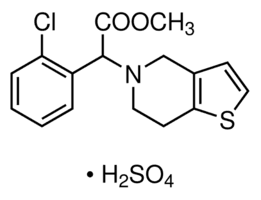
(±) Clopidogrel hydrogensulfate
Cell Biology
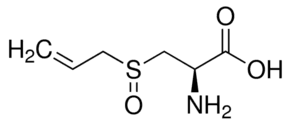
(±)-L-Alliin
C6H11NO3S
Cell Biology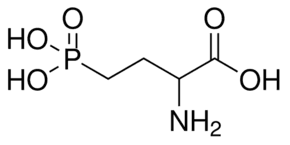
(±)-2-Amino-4-phosphonobutyric acid
C4H10NO5P
Cell Biology
(±)-2-Methylarachidonoyl-2′-fluoroethylamide
C23H38NOF
Cell Biology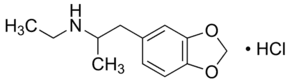
(±)-3,4-Methylenedioxy-N-ethylamphetamine hydrochloride
Cell Biology
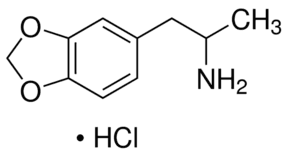
(±)-3,4-Methylenedioxyamphetamine hydrochloride
Cell Biology
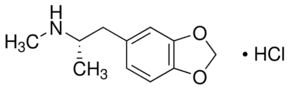
(±)-3,4-Methylenedioxymethamphetamine hydrochloride
Cell Biology