
Lithium phenoxide solution
Lithium phenoxide solution (CAS: 555-24-8, Formula: C6H5OLi, MW: 100.04) is a valuable organometallic reagent. Supplied as a 1.0 M solution in Tetrahydrofuran (THF), it serves as a precursor in materials science, particularly in micro/nanoelectronics for solution deposition techniques. Its reactivity makes it a key intermediate in specialised organic synthesis.
- IUPAC
- Phenol lithium salt

Solution Deposition Precursors
Lithium phenoxide solution is utilised in advanced materials processing for thin film deposition. It enables the precise application of lithium-containing compounds in microelectronic fabrication and other nanotechnological applications.
Materials Science Research
This compound acts as a building block in the synthesis of novel materials. Its properties are explored in academic and industrial research settings for developing advanced functional materials.
Micro/Nanoelectronics
In the microelectronics industry, lithium phenoxide finds application as a precursor for creating specific layers or components. It is integral to processes requiring controlled lithium incorporation at the nanoscale.
| Molecular weight | 100.04 |
|---|---|
| Linear formula | C6H5OLi |
| Boiling point | 67 °C |
| Density | 0.918 g/mL at 25 °C |
| Concentration | 1.0 M in THF |


Hazard statements
- H225Highly flammable liquid and vapour
- H314Causes severe skin burns and eye damage
- H335May cause respiratory irritation
- H351Suspected of causing cancer
Precautionary statements
- P210Keep away from heat, sparks and open flames. No smoking
- P261Avoid breathing dust, fume, gas or vapours
- P280Wear protective gloves, clothing and eye/face protection
- P305IF IN EYES
- P310Immediately call a POISON CENTER or doctor
| Protective equipment | Faceshields, full-face respirator (US), Gloves, Goggles, multi-purpose combination respirator cartridge (US), type ABEK (EN14387) respirator filter |
|---|---|
| Flash point | -19 °C / -2.2 °F |
| Transport (UN / ADR) | UN 2924 8(3) / PGII |
| Water hazard class (WGK, DE) | 3 |
| Hazard codes (EU) | F,C |
| Risk statements (R) | 11-19-34-37-40 |
| Safety statements (S) | 16-26-36/37/39-45 |
| Supplemental hazards | May form explosive peroxides. |
Hazard information is provided for guidance. Always consult the product Safety Data Sheet (SDS), available on request, before handling.
Documentation
Every batch ships with a Certificate of Analysis covering assay, identity and purity; the grade is confirmed against your enquiry. Safety Data Sheets and technical data sheets are available on request.
Supply & logistics
Samples for technical evaluation; bulk MOQ by grade and packaging. In-stock material ships in 7–10 working days, worldwide, with full export documentation.
What is Lithium phenoxide solution used for?
+
Lithium phenoxide solution is used as a precursor in materials science, particularly for solution deposition in micro/nanoelectronics and for specialised organic synthesis.
What are the CAS number and chemical formula for Lithium phenoxide solution?
+
The CAS number is 555-24-8 and the chemical formula is C6H5OLi.
What grade and purity does Tech Serve Solutions supply?
+
Tech Serve Solutions supplies Lithium phenoxide solution at a concentration of 1.0 M in THF. TSS does not represent this product as USP, BP, EP, or other pharmacopoeial grades.
What are the primary safety hazards associated with Lithium phenoxide solution?
+
Lithium phenoxide solution is a Danger material, classified as flammable (H225), corrosive (H314), and may cause respiratory irritation (H335). It is also suspected of causing cancer (H351) and can form explosive peroxides. Extreme caution and appropriate personal protective equipment are essential during handling.
How is Lithium phenoxide solution packed and shipped?
+
Lithium phenoxide solution is packed in compliance with UN 2924 (8(3) / PGII) regulations for hazardous materials transport. TSS offers global export services for this product.
How can I request a quote or sample for Lithium phenoxide solution?
+
To request a quote or sample, please contact our sales team via the website or direct inquiry, providing your specific requirements.
▶ Related products
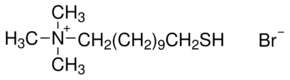
(11-Mercaptoundecyl)-N,N,N-trimethylammonium bromide
Micro / NanoElectronics

(11-Mercaptoundecyl)hexa(ethylene glycol)
C23H48O7S
Micro / NanoElectronics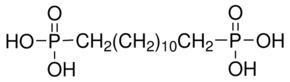
(12-Phosphonododecyl)phosphonic acid
C12H28O6P2
Micro / NanoElectronics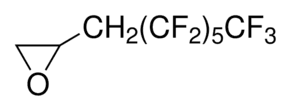
(2,2,3,3,4,4,5,5,6,6,7,7,7-Tridecafluoroheptyl)oxirane
C9H5F13O
Micro / NanoElectronics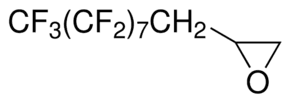
(2,2,3,3,4,4,5,5,6,6,7,7,8,8,9,9,9-Heptadecafluorononyl)oxirane
C11H5F17O
Micro / NanoElectronics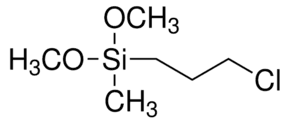
(3-Chloropropyl)dimethoxymethylsilane
Cl(CH2)3Si(OCH3)2CH3
Micro / NanoElectronics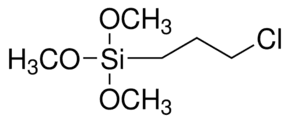
(3-Chloropropyl)trimethoxysilane
Cl(CH2)3Si(OCH3)3
Micro / NanoElectronics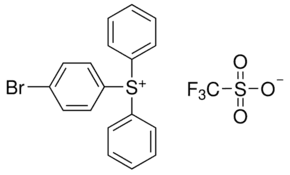
(4-Bromophenyl)diphenylsulfonium triflate
C19H14BrF3O3S2
Micro / NanoElectronics▶ Explore more

Bis(cyclopentadienyl)cobalt(III) hexafluorophosphate
C10H10CoF6P
Catalysis & Inorganic
1-(4-Chlorophenyl)biguanide hydrochloride
ClC6H4NHC(NH)NHC(NH)NH2 · HCl
Chemical Synthesis
Bis(cyclopentadienyl)dimethylzirconium(IV)
Catalysis & Inorganic

1-(4-Chlorophenyl)ethanol
ClC6H4CH(CH3)OH
Chemical Synthesis