Lithium carbamoylphosphate dibasic hydrate
Lithium carbamoylphosphate dibasic hydrate (CAS: 1866-68-8) is a hydrated salt with the linear formula NH₂COOPO₃Li₂·xH₂O. It is a key intermediate in biological nitrogen metabolism, particularly within the urea cycle. This compound serves as a substrate for studying enzymatic reactions related to ornithine transcarbamylase and other enzymes involved in nitrogen metabolism pathways. Available with an assay of ≥85%, it is supplied by Tech Serve Solutions for research and biochemical applications.
- IUPAC
- CAP-Li2,Carbamoylphosphate dilithium salt,Carbamyl phosphate dilithium salt,Carbamyl phosphoric acid dilithium salt
- Synonyms
- CAP-Li2Carbamoylphosphate dilithium saltCarbamyl phosphate dilithium saltCarbamyl phosphoric acid dilithium salt
.png&w=3840&q=75)
Urea Cycle Research
Carbamoylphosphate is essential for studying the mammalian urea cycle, a critical pathway for nitrogen detoxification and amino acid metabolism. Its use as a substrate aids in understanding the enzymatic mechanisms and regulation of this cycle.
Ornithine Transcarbamylase Studies
This compound serves as a direct substrate for ornithine transcarbamylase (OTC), an enzyme crucial for urea synthesis. Researchers utilise it to characterise OTC activity, investigate enzyme kinetics, and screen for potential inhibitors or activators.
Nitrogen Metabolism Investigations
Lithium carbamoylphosphate dibasic hydrate is instrumental in exploring broader aspects of nitrogen metabolism in biological systems. It aids in understanding how organisms process and excrete nitrogenous waste products.
Biochemical Pathway Analysis
As a component of metabolic libraries and pathways, this chemical is used in metabolomics and cell biology research to map and understand complex metabolic networks, particularly those involving amino acids and nitrogen compounds.
| Molecular weight | 152.89 (anhydrous basis) |
|---|---|
| Linear formula | NH2COOPO3Li2·xH2O |
| Assay | ≥85% |
| Storage temperature | −20°C |
| Application | Carbamoylphosphate is used to study processes involving the mammalian urea cycle and nitrogen metabolism. Carbamoylphosphate is used as a substrate to identify and characterize ornithine transcarbamylase(s). |

Hazard statements
- H302Harmful if swallowed
- H315Causes skin irritation
- H319Causes serious eye irritation
- H335May cause respiratory irritation
Precautionary statements
- P261Avoid breathing dust, fume, gas or vapours
- P305IF IN EYES
| Protective equipment | Eyeshields, Gloves, type N95 (US), type P1 (EN143) respirator filter |
|---|---|
| Water hazard class (WGK, DE) | 3 |
| Hazard codes (EU) | T |
| Risk statements (R) | 25-36/37/38 |
| Safety statements (S) | 26-45 |
Hazard information is provided for guidance. Always consult the product Safety Data Sheet (SDS), available on request, before handling.
| Quality | may contain ~25% free acid (determined by PNMR) |
|---|
Documentation
Every batch ships with a Certificate of Analysis covering assay, identity and purity; the grade is confirmed against your enquiry. Safety Data Sheets and technical data sheets are available on request.
Supply & logistics
Samples for technical evaluation; bulk MOQ by grade and packaging. In-stock material ships in 7–10 working days, worldwide, with full export documentation.
What is Lithium carbamoylphosphate dibasic hydrate used for?
+
Lithium carbamoylphosphate dibasic hydrate is used to study processes involving the mammalian urea cycle and nitrogen metabolism. It is also utilised as a substrate to identify and characterise ornithine transcarbamylase(s).
What are the CAS number and chemical formula?
+
The CAS number for the anhydrous form is 1866-68-8. The linear formula is NH₂COOPO₃Li₂·xH₂O.
What grade and purity does Tech Serve Solutions supply?
+
Tech Serve Solutions supplies Lithium carbamoylphosphate dibasic hydrate with an assay of ≥85%. This product is intended for research use and is not represented as USP, BP, EP, or any other pharmacopoeial grade.
How should Lithium carbamoylphosphate dibasic hydrate be handled safely?
+
This compound is a Warning substance and is harmful if swallowed, causes skin irritation, causes serious eye irritation, and may cause respiratory irritation (H302-H315-H319-H335). When handling, use approved safety equipment, including eyeshields, gloves, and a type N95 (US) or P1 (EN143) respirator filter. Ensure adequate ventilation and avoid breathing dust.
How is this chemical packed, shipped, and exported?
+
Tech Serve Solutions, a specialist global supplier and exporter since 1998, ensures appropriate packaging for shipping. Specific details regarding packing configurations and export procedures can be provided upon request.
How can I request a sample or quote for Lithium carbamoylphosphate dibasic hydrate?
+
To request a sample or obtain a quote, please contact our sales department through the website or by calling our main office. Please reference the product name and CAS number (1866-68-8) in your inquiry.
▶ Related products
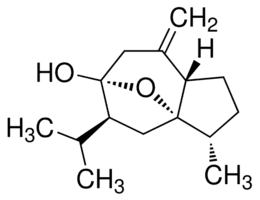
(−)-Curcumol
C15H24O2
Cell Biology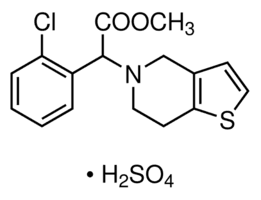
(±) Clopidogrel hydrogensulfate
Cell Biology
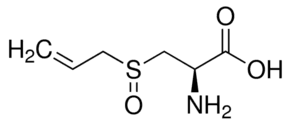
(±)-L-Alliin
C6H11NO3S
Cell Biology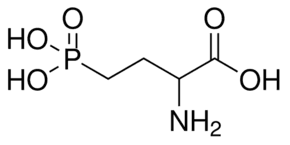
(±)-2-Amino-4-phosphonobutyric acid
C4H10NO5P
Cell Biology
(±)-2-Methylarachidonoyl-2′-fluoroethylamide
C23H38NOF
Cell Biology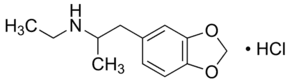
(±)-3,4-Methylenedioxy-N-ethylamphetamine hydrochloride
Cell Biology
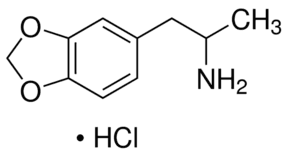
(±)-3,4-Methylenedioxyamphetamine hydrochloride
Cell Biology
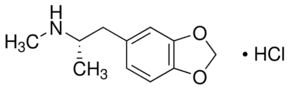
(±)-3,4-Methylenedioxymethamphetamine hydrochloride
Cell Biology