Lithium aluminum hydride
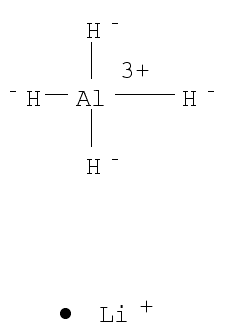
Lithium aluminum hydride (LiAlH4), CAS 16853-85-3, is a powerful and versatile reducing agent with a molecular weight of 37.95 g/mol. It is highly reactive, particularly with protic solvents. Its primary applications lie in organic synthesis for the reduction of various functional groups and in inorganic chemistry for the preparation of metal hydrides and catalytic materials. This compound is supplied by TSS for research and industrial applications.
- IUPAC
- LAH,Lithium alanate,Lithium tetrahydroaluminate
- Synonyms
- LAHLithium alanateLithium tetrahydroaluminate
Dehydrogenation Studies
Lithium aluminum hydride acts as a reactant in dehydrogenation processes, often studied in conjunction with various catalytic systems to understand reaction mechanisms and improve efficiency.
Regeneration of Silanes
It is employed in the reduction of methoxysilanes, facilitating their regeneration. This application is crucial in processes where silane precursors need to be recovered or repurposed.
Hydrogen Activation
This compound is involved in the heterolytic cleavage of hydrogen, a key step in transition metal-mediated hydrogen activation reactions relevant to catalysis.
Catalyst Formation
Lithium aluminum hydride is utilised in the formation of nickel hydrogenation catalysts, contributing to the synthesis of materials used in various catalytic hydrogenation processes.
Hydrogen Storage Research
Its ability to interact with hydrogen makes it a subject of study in hydrogen sorption research, exploring potential applications in hydrogen storage technologies.
| Molecular weight | 37.95 |
|---|---|
| Linear formula | LiAlH4 |
| Density | 0.905 g/mL at 25 °C |
| Concentration | 1.0 M in THF |
| Application | Reactant involved in:• Dehydrogenation studied with various catalysts1• Regeneration of methoxysilanes via reduction2• Transition metal electrophilic hydrogen activation via heterolytic cleavage3• Formation of nickel hydrogenation catalysts4• Hydrogen sorption5• Electrodeposition of Al on W-Cu substrates6 |
| Melting point | 125 °C (dec.)(lit.) |


Hazard statements
- H260In contact with water releases flammable gases
- H314Causes severe skin burns and eye damage
Precautionary statements
- P210Keep away from heat, sparks and open flames. No smoking
- P223Do not allow contact with water
- P231Handle under inert gas
- P261Avoid breathing dust, fume, gas or vapours
- P370In case of fire
- P422
| Protective equipment | Eyeshields, Faceshields, full-face particle respirator type N100 (US), Gloves, respirator cartridge type N100 (US), type P1 (EN143) respirator filter, type P3 (EN 143) respirator cartridges |
|---|---|
| Transport (UN / ADR) | UN 1410 4.3 / PGI |
| Water hazard class (WGK, DE) | 1 |
| Hazard codes (EU) | F,C |
| Risk statements (R) | 15-35 |
| Safety statements (S) | 7/8-26-36/37/39-43-45 |
Hazard information is provided for guidance. Always consult the product Safety Data Sheet (SDS), available on request, before handling.
Documentation
Every batch ships with a Certificate of Analysis covering assay, identity and purity; the grade is confirmed against your enquiry. Safety Data Sheets and technical data sheets are available on request.
Supply & logistics
Samples for technical evaluation; bulk MOQ by grade and packaging. In-stock material ships in 7–10 working days, worldwide, with full export documentation.
What is Lithium aluminum hydride used for?
+
Lithium aluminum hydride (LiAlH4) is primarily used as a powerful reducing agent in organic synthesis for the reduction of functional groups and in inorganic chemistry for preparing metal hydrides and catalysts. It is also studied for its role in dehydrogenation, hydrogen activation, and hydrogen storage.
What is the CAS number and chemical formula for Lithium aluminum hydride?
+
The CAS number for Lithium aluminum hydride is 16853-85-3 and its linear formula is LiAlH4.
What grade and purity does Tech Serve Solutions supply?
+
Tech Serve Solutions supplies Lithium aluminum hydride typically as a 1.0 M solution in THF. We do not represent this product as USP, BP, or EP grade unless explicitly stated in the product specifications. Please refer to the specific product documentation for detailed assay information.
How should Lithium aluminum hydride be handled safely?
+
Lithium aluminum hydride is highly reactive and flammable upon contact with water, releasing flammable hydrogen gas. It causes severe burns. Handle with extreme caution in a dry, inert atmosphere, wearing appropriate personal protective equipment including eyeshields, face shields, gloves, and respiratory protection. Ensure proper ventilation and avoid contact with moisture and incompatible materials. Consult the Safety Data Sheet (SDS) for comprehensive safety instructions.
Is Lithium aluminum hydride a controlled substance?
+
Lithium aluminum hydride is not typically listed as a controlled substance in most jurisdictions, but its hazardous nature requires careful handling and adherence to regulations concerning reactive chemicals. Please verify local regulations if you have concerns.
How is Lithium aluminum hydride packed, shipped, and exported?
+
Lithium aluminum hydride is carefully packed according to international shipping regulations for hazardous materials. TSS exports this chemical globally, ensuring compliance with all relevant transport and customs requirements.
How can I request a sample or quote for Lithium aluminum hydride?
+
To request a sample or a quote for Lithium aluminum hydride, please contact our sales team through the website or by phone, providing your specific requirements and shipping details.
▶ Related products
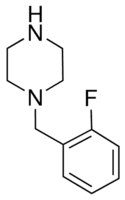
1-(2-Fluorobenzyl)piperazine
C11H15FN2
Chemical Synthesis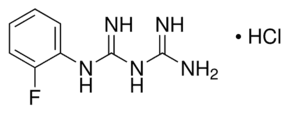
1-(2-Fluorophenyl)biguanide hydrochloride
Chemical Synthesis
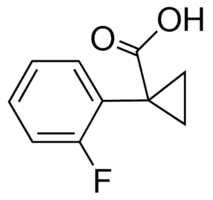
1-(2-Fluorophenyl)cyclopropanecarboxylic acid
C10H9FO2
Chemical Synthesis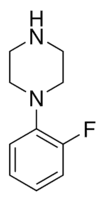
1-(2-Fluorophenyl)piperazine
C10H13FN2
Chemical Synthesis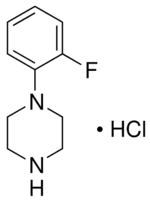
1-(2-Fluorophenyl)piperazine monohydrochloride
C10H13FN2 · HCl
Chemical Synthesis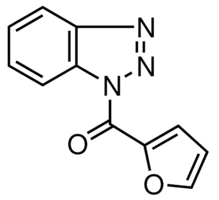
1-(2-Furoyl)-1H-benzotriazole
C11H7N3O2
Chemical Synthesis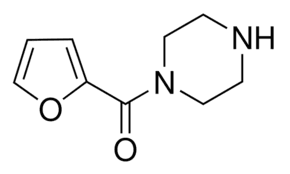
1-(2-Furoyl)piperazine
C9H12N2O2
Chemical Synthesis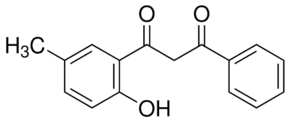
1-(2-Hydroxy-5-methylphenyl)-3-phenyl-1,3-propanedione
Chemical Synthesis