
Lithium aluminate
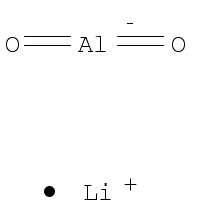
Lithium aluminate (CAS: 12003-67-7), with the molecular formula LiAlO₂, is an inorganic compound presented as a powder and chunks. Possessing a molecular weight of 65.92 g/mol, this ceramic material is recognised for its applications in alternative energy and as a host material. Its properties make it a valuable component in advanced material science and ceramic applications.
- IUPAC
- Aluminum lithium oxide
Alternative Energy
Lithium aluminate is utilised in research and development for next-generation battery technologies and other alternative energy applications due to its electrochemical properties.
Ceramics and Materials Science
As a ceramic material, it finds use in the development of specialised components and advanced materials, contributing to innovations in metal and ceramic science.
Phosphor Materials
The compound serves as a host material in the synthesis of phosphor materials, essential for applications in lighting and display technologies.
| Molecular weight | 65.92 |
|---|---|
| Linear formula | LiAlO2 |
| Form | powder and chunks |
| Density | 2.615 g/mL at 25 °C(lit.) |

Hazard statements
- H315Causes skin irritation
- H319Causes serious eye irritation
- H335May cause respiratory irritation
Precautionary statements
- P261Avoid breathing dust, fume, gas or vapours
- P305IF IN EYES
| Protective equipment | dust mask type N95 (US), Eyeshields, Gloves |
|---|---|
| Water hazard class (WGK, DE) | 3 |
| Hazard codes (EU) | Xi |
| Risk statements (R) | 36/37/38 |
| Safety statements (S) | 26-36/37/39 |
Hazard information is provided for guidance. Always consult the product Safety Data Sheet (SDS), available on request, before handling.
Documentation
Every batch ships with a Certificate of Analysis covering assay, identity and purity; the grade is confirmed against your enquiry. Safety Data Sheets and technical data sheets are available on request.
Supply & logistics
Samples for technical evaluation; bulk MOQ by grade and packaging. In-stock material ships in 7–10 working days, worldwide, with full export documentation.
What is Lithium aluminate used for?
+
Lithium aluminate (CAS: 12003-67-7) is primarily used in alternative energy research, as a host material for phosphors, and in advanced ceramics and materials science.
What is the CAS number and formula for Lithium aluminate?
+
The CAS number for Lithium aluminate is 12003-67-7, and its linear formula is LiAlO₂.
What grade and purity does Tech Serve Solutions supply?
+
Tech Serve Solutions supplies Lithium aluminate in a technical/research grade. We do not represent this product as meeting USP, BP, EP, or any other pharmacopoeia standards.
What are the safety considerations when handling Lithium aluminate?
+
Lithium aluminate is classified as a Warning with hazards including skin irritation (H315), eye irritation (H319), and respiratory irritation (H335). Appropriate personal protective equipment, including a dust mask (type N95 US), eyeshields, and gloves, should be used. Ensure good ventilation.
How is Lithium aluminate packed and shipped?
+
Lithium aluminate is available as powder and chunks. It is carefully packed to ensure integrity during domestic and international export. Contact TSS for specific shipping and export details.
How can I request a quote or sample?
+
To request a quote or a sample of Lithium aluminate, please contact our sales department via the website or by telephone. Our team will be pleased to assist you.
▶ Related products
Aluminosilicate, mesostructured
Metal & Ceramic Science
Aluminum carbide
Al4C3
Metal & Ceramic Science
Aluminum diboride
AlB2
Metal & Ceramic Science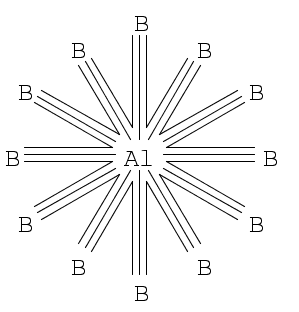
Aluminum dodecaboride
AlB12
Metal & Ceramic Science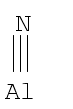
Aluminum nitride
AlN
Metal & Ceramic Science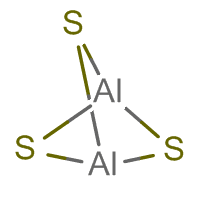
Aluminum sulfide
Al2S3
Metal & Ceramic Science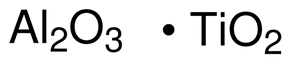
Aluminum titanate
Al2O3·TiO2
Metal & Ceramic Science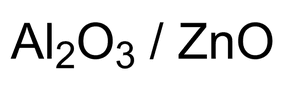
Aluminum zinc oxide
Al2O3/ZnO
Metal & Ceramic Science▶ Explore more

Bis(cyclopentadienyl)cobalt(III) hexafluorophosphate
C10H10CoF6P
Catalysis & Inorganic
1-(4-Chlorophenyl)biguanide hydrochloride
ClC6H4NHC(NH)NHC(NH)NH2 · HCl
Chemical Synthesis
Bis(cyclopentadienyl)dimethylzirconium(IV)
Catalysis & Inorganic

1-(4-Chlorophenyl)ethanol
ClC6H4CH(CH3)OH
Chemical Synthesis