
L-Xylulose
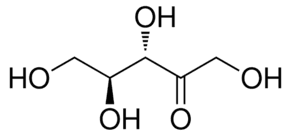
L-Xylulose (CAS: 527-50-4; Formula: C5H10O5) is a naturally occurring ketopentose sugar. With a molecular weight of 150.13 g/mol, it serves as a crucial metabolite in carbohydrate and cellular metabolism. L-Xylulose is primarily utilised in biochemical research, particularly in studies concerning metabolic pathways and metabolomics, owing to its role as a significant metabolite and cofactor.
- IUPAC
- threo-2-Pentulose,L-threo-Pentulose
- Synonyms
- threo-2-PentuloseL-threo-Pentulose
Biochemical Research
L-Xylulose is employed in academic and industrial research settings to investigate carbohydrate metabolism and cellular energy pathways. Its role as a metabolite makes it valuable for understanding complex biochemical processes.
Metabolic Pathway Studies
As a key component of various metabolic pathways, L-Xylulose is used to study enzyme activity and metabolic flux. Researchers utilise it to map out and understand the intricacies of sugar metabolism.
Metabolomics Analysis
In metabolomics, L-Xylulose serves as a biomarker and research tool for identifying and quantifying metabolites within biological systems. This aids in understanding cellular function and disease states.
| Molecular weight | 150.13 |
|---|---|
| Empirical formula | C5H10O5 |
| Assay | ~95% |
| Storage temperature | 2-8°C |
| Protective equipment | Eyeshields, Gloves, half-mask respirator (EU), half-mask respirator (US), multi-purpose combination respirator cartridge (US) |
|---|---|
| Flash point | 113 °C / 235.4 °F |
| Water hazard class (WGK, DE) | 3 |
Hazard information is provided for guidance. Always consult the product Safety Data Sheet (SDS), available on request, before handling.
Documentation
Every batch ships with a Certificate of Analysis covering assay, identity and purity; the grade is confirmed against your enquiry. Safety Data Sheets and technical data sheets are available on request.
Supply & logistics
Samples for technical evaluation; bulk MOQ by grade and packaging. In-stock material ships in 7–10 working days, worldwide, with full export documentation.
What is L-Xylulose used for?
+
L-Xylulose is used in biochemical research, particularly for studies involving metabolic pathways, metabolomics, and cell biology, owing to its role as a metabolite and cofactor.
What is the CAS number and formula for L-Xylulose?
+
The CAS number for L-Xylulose is 527-50-4, and its molecular formula is C5H10O5.
What grade and purity does Tech Serve Solutions supply?
+
Tech Serve Solutions supplies L-Xylulose with an assay of approximately 95%. TSS does not represent this product as USP, BP, EP, or other pharmacopoeia grades.
How should L-Xylulose be handled and stored?
+
L-Xylulose should be stored at 2-8°C. When handling, it is essential to use appropriate personal protective equipment, including eyeshields, gloves, and a suitable respirator, due to its flammability (flash point 113°C).
Is L-Xylulose a controlled substance?
+
The provided data does not indicate that L-Xylulose is a controlled substance.
How can I request a sample or quote for L-Xylulose?
+
To request a sample or quote for L-Xylulose, please contact the Tech Serve Solutions sales team via our website or listed contact details.
How is L-Xylulose packed and shipped?
+
L-Xylulose is typically packed according to industry standards for chemical reagents and is available for export globally by Tech Serve Solutions.
▶ Related products
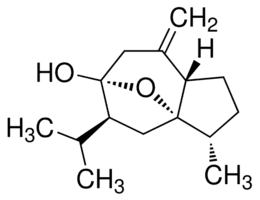
(−)-Curcumol
C15H24O2
Cell Biology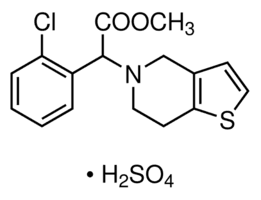
(±) Clopidogrel hydrogensulfate
Cell Biology
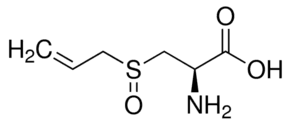
(±)-L-Alliin
C6H11NO3S
Cell Biology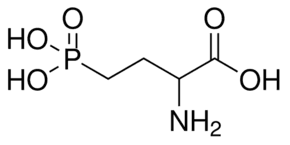
(±)-2-Amino-4-phosphonobutyric acid
C4H10NO5P
Cell Biology
(±)-2-Methylarachidonoyl-2′-fluoroethylamide
C23H38NOF
Cell Biology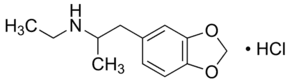
(±)-3,4-Methylenedioxy-N-ethylamphetamine hydrochloride
Cell Biology
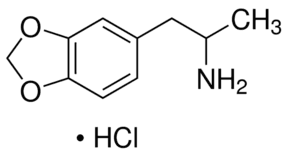
(±)-3,4-Methylenedioxyamphetamine hydrochloride
Cell Biology
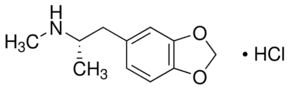
(±)-3,4-Methylenedioxymethamphetamine hydrochloride
Cell Biology
▶ Explore more

Bis(cyclopentadienyl)cobalt(III) hexafluorophosphate
C10H10CoF6P
Catalysis & Inorganic
1-(4-Chlorophenyl)biguanide hydrochloride
ClC6H4NHC(NH)NHC(NH)NH2 · HCl
Chemical Synthesis
Bis(cyclopentadienyl)dimethylzirconium(IV)
Catalysis & Inorganic

1-(4-Chlorophenyl)ethanol
ClC6H4CH(CH3)OH
Chemical Synthesis