
L-β-Homolysine dihydrochloride
L-β-Homolysine dihydrochloride (CAS 290835-83-5) is a derivative of the amino acid lysine, featuring an extended beta-amino acid chain. With the molecular formula C7H16N2O2 · 2HCl and a molecular weight of 233.14, this compound serves as a valuable building block in chemical synthesis and peptide chemistry. Its unnatural amino acid structure makes it particularly useful in the development of novel peptides and biochemical probes.
- IUPAC
- (S)-3,7-Diaminoheptanoic acid dihydrochloride
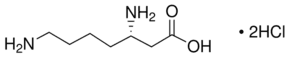
Chemical Synthesis
Utilised as a specialised building block for the synthesis of complex organic molecules and peptidomimetics. Its unique structure allows for the introduction of specific functionalities into target compounds.
Peptide Chemistry
Incorporated into peptide sequences to create unnatural peptides with modified properties, such as enhanced stability or altered biological activity. Useful for research in peptide-based therapeutics and diagnostics.
Chemical Biology
Serves as a tool in chemical biology research for creating modified peptides or probing biological systems. Its structure can influence molecular interactions and cellular processes.
Unnatural Amino Acid Research
A key reagent for scientists studying the incorporation and effects of unnatural amino acids in biological systems and synthetic chemistry. Facilitates the exploration of novel chemical entities.
| Molecular weight | 233.14 |
|---|---|
| Empirical formula | C7H16N2O2 · 2HCl |
| Assay | ≥98.0% (TLC) |
| Protective equipment | Eyeshields, Gloves, type N95 (US), type P1 (EN143) respirator filter |
|---|---|
| Water hazard class (WGK, DE) | 3 |
Hazard information is provided for guidance. Always consult the product Safety Data Sheet (SDS), available on request, before handling.
Documentation
Every batch ships with a Certificate of Analysis covering assay, identity and purity; the grade is confirmed against your enquiry. Safety Data Sheets and technical data sheets are available on request.
Supply & logistics
Samples for technical evaluation; bulk MOQ by grade and packaging. In-stock material ships in 7–10 working days, worldwide, with full export documentation.
What is L-β-Homolysine dihydrochloride used for?
+
L-β-Homolysine dihydrochloride is primarily used as a building block in chemical synthesis and peptide chemistry, particularly for creating unnatural peptides and exploring chemical biology applications. It is also employed in research involving unnatural amino acids.
What is the CAS number and formula for L-β-Homolysine dihydrochloride?
+
The CAS number for L-β-Homolysine dihydrochloride is 290835-83-5. Its empirical formula (as the dihydrochloride salt) is C7H16N2O2 · 2HCl.
What grade and purity does Tech Serve Solutions supply?
+
Tech Serve Solutions supplies L-β-Homolysine dihydrochloride with an assay of ≥98.0% (TLC). This product is supplied for research and development purposes and is not intended for human or animal consumption, nor for pharmaceutical, domestic, or other equivalent applications. TSS does not represent this product as USP, BP, EP, or other pharmacopoeia grade.
What are the safety and handling precautions for L-β-Homolysine dihydrochloride?
+
Handling L-β-Homolysine dihydrochloride requires appropriate personal protective equipment, including eyeshields and gloves. In environments with potential for aerosol exposure, a type N95 (US) or type P1 (EN143) respirator filter should be used. It has a WGK Germany rating of 3, indicating a high degree of hazard to water.
How is L-β-Homolysine dihydrochloride shipped and exported?
+
Tech Serve Solutions is an experienced global supplier and exporter of fine chemicals. L-β-Homolysine dihydrochloride is carefully packed and exported in compliance with all relevant international shipping regulations.
How can I request a sample or a quote for L-β-Homolysine dihydrochloride?
+
To request a sample or a quote for L-β-Homolysine dihydrochloride, please visit the Tech Serve Solutions website or contact our sales department directly with your inquiry.
▶ Related products
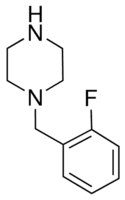
1-(2-Fluorobenzyl)piperazine
C11H15FN2
Chemical Synthesis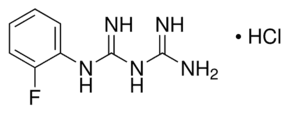
1-(2-Fluorophenyl)biguanide hydrochloride
Chemical Synthesis
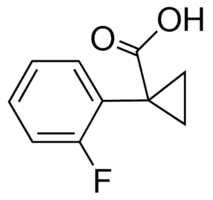
1-(2-Fluorophenyl)cyclopropanecarboxylic acid
C10H9FO2
Chemical Synthesis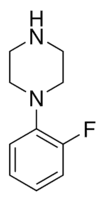
1-(2-Fluorophenyl)piperazine
C10H13FN2
Chemical Synthesis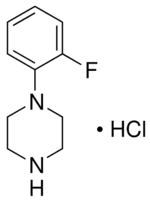
1-(2-Fluorophenyl)piperazine monohydrochloride
C10H13FN2 · HCl
Chemical Synthesis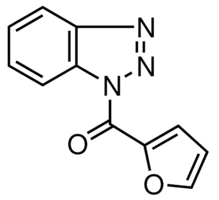
1-(2-Furoyl)-1H-benzotriazole
C11H7N3O2
Chemical Synthesis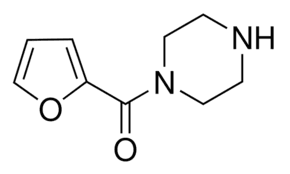
1-(2-Furoyl)piperazine
C9H12N2O2
Chemical Synthesis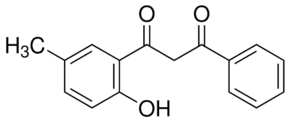
1-(2-Hydroxy-5-methylphenyl)-3-phenyl-1,3-propanedione
Chemical Synthesis
▶ Explore more

Bis(cyclopentadienyl)cobalt(III) hexafluorophosphate
C10H10CoF6P
Catalysis & Inorganic
1-(4-Chlorophenyl)biguanide hydrochloride
ClC6H4NHC(NH)NHC(NH)NH2 · HCl
Chemical Synthesis
Bis(cyclopentadienyl)dimethylzirconium(IV)
Catalysis & Inorganic

1-(4-Chlorophenyl)ethanol
ClC6H4CH(CH3)OH
Chemical Synthesis