
Isophthaloyl chloride
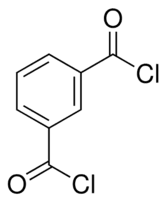
Isophthaloyl chloride (CAS: 99-63-8) is a crucial organic compound with the molecular formula C6H4-1,3-(COCl)2. This difunctional aromatic acid chloride serves as a key intermediate in polymer synthesis, particularly for high-performance polyesters and polyamides. Its reactivity makes it valuable in the creation of specialized materials requiring enhanced thermal stability and mechanical strength, finding utility in advanced chemical manufacturing processes.
- IUPAC
- Isophthaloyl dichloride
- Synonyms
- 3-(COCl)2Isophthaloyl dichloride
Polymer Synthesis
Isophthaloyl chloride is extensively used as a monomer in the production of specialty polymers like polyamides (aramids) and polyesters. These polymers exhibit superior thermal resistance, chemical inertness, and mechanical properties.
Cross-linking Agent
It functions as an effective cross-linking agent for various polymer systems. This enhances the rigidity, strength, and thermal stability of the resulting materials.
Organic Synthesis Intermediate
As a difunctional acyl chloride, it is a versatile building block in organic synthesis for introducing isophthaloyl groups into diverse molecular structures, enabling the creation of complex organic molecules.
Material Science
The compound is integral to developing advanced materials for applications demanding high performance under extreme conditions, including aerospace and protective clothing.
| Molecular weight | 203.02 |
|---|---|
| Linear formula | C6H4-1,3-(COCl)2 |
| Assay | ≥99% |
| Boiling point | 276 °C(lit.) |
| Vapour pressure | 0.03 mmHg (25 °C) |
| Melting point | 43-44 °C(lit.) |


Hazard statements
- H312Harmful in contact with skin
- H314Causes severe skin burns and eye damage
- H331Toxic if inhaled
Precautionary statements
- P261Avoid breathing dust, fume, gas or vapours
- P280Wear protective gloves, clothing and eye/face protection
- P305IF IN EYES
- P310Immediately call a POISON CENTER or doctor
| Protective equipment | Eyeshields, Faceshields, full-face particle respirator type N100 (US), Gloves, respirator cartridge type N100 (US), type P1 (EN143) respirator filter, type P3 (EN 143) respirator cartridges |
|---|---|
| Flash point | 180 °C / 356 °F |
| Transport (UN / ADR) | UN 2923 6.1(8) / PGI |
| Water hazard class (WGK, DE) | 1 |
| Hazard codes (EU) | T |
| Risk statements (R) | 21-23-35 |
| Safety statements (S) | 26-36/37/39-45 |
Hazard information is provided for guidance. Always consult the product Safety Data Sheet (SDS), available on request, before handling.
Documentation
Every batch ships with a Certificate of Analysis covering assay, identity and purity; the grade is confirmed against your enquiry. Safety Data Sheets and technical data sheets are available on request.
Supply & logistics
Samples for technical evaluation; bulk MOQ by grade and packaging. In-stock material ships in 7–10 working days, worldwide, with full export documentation.
What is Isophthaloyl chloride used for?
+
Isophthaloyl chloride is primarily used as a monomer in the synthesis of high-performance polymers such as polyesters and polyamides, and as a building block in organic synthesis.
What are the CAS number and formula for Isophthaloyl chloride?
+
The CAS number is 99-63-8, and its linear formula is C6H4-1,3-(COCl)2.
What grade and purity does Tech Serve Solutions supply?
+
Tech Serve Solutions supplies Isophthaloyl chloride with an assay of ≥99%. TSS does not represent this product as USP, BP, or EP grade.
How should Isophthaloyl chloride be handled safely?
+
Isophthaloyl chloride is corrosive and toxic by inhalation and skin contact. Handle with extreme caution, wearing appropriate personal protective equipment including eyeshields, face shields, gloves, and a full-face particle respirator (type N100 US or P3 EN143).
How is Isophthaloyl chloride packed and exported?
+
Isophthaloyl chloride is packed in compliance with stringent international regulations for hazardous materials, including UN 2923 classification, for safe global export.
How can I request a sample or quote for Isophthaloyl chloride?
+
To request a sample or a quote, please contact our sales department through the TSS website or by calling our dedicated customer service line.
▶ Related products
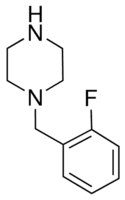
1-(2-Fluorobenzyl)piperazine
C11H15FN2
Chemical Synthesis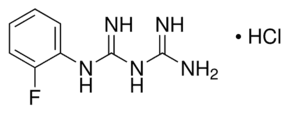
1-(2-Fluorophenyl)biguanide hydrochloride
Chemical Synthesis
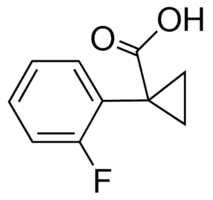
1-(2-Fluorophenyl)cyclopropanecarboxylic acid
C10H9FO2
Chemical Synthesis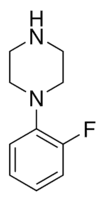
1-(2-Fluorophenyl)piperazine
C10H13FN2
Chemical Synthesis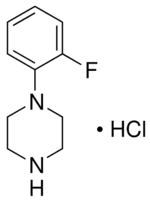
1-(2-Fluorophenyl)piperazine monohydrochloride
C10H13FN2 · HCl
Chemical Synthesis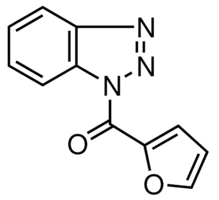
1-(2-Furoyl)-1H-benzotriazole
C11H7N3O2
Chemical Synthesis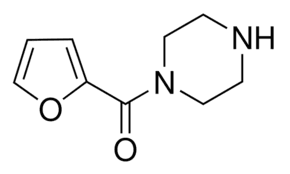
1-(2-Furoyl)piperazine
C9H12N2O2
Chemical Synthesis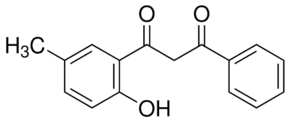
1-(2-Hydroxy-5-methylphenyl)-3-phenyl-1,3-propanedione
Chemical Synthesis
▶ Explore more

Bis(cyclopentadienyl)cobalt(III) hexafluorophosphate
C10H10CoF6P
Catalysis & Inorganic
1-(4-Chlorophenyl)biguanide hydrochloride
ClC6H4NHC(NH)NHC(NH)NH2 · HCl
Chemical Synthesis
Bis(cyclopentadienyl)dimethylzirconium(IV)
Catalysis & Inorganic

1-(4-Chlorophenyl)ethanol
ClC6H4CH(CH3)OH
Chemical Synthesis