Insulin-like Growth Factor-II fragment 33-40
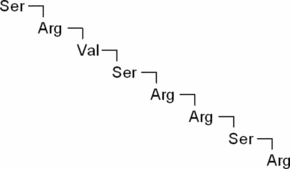
Insulin-like Growth Factor-II fragment 33-40 (CAS: 103244-41-3) is a synthetic peptide with the empirical formula C38H74N20O12 and a molecular weight of 1003.12 g/mol. This fragment, comprising residues 33-40 of IGF-II, is primarily utilised in cell biology research, particularly in studies related to cell signalling, growth factor mechanisms, and stem cell differentiation. Its specific sequence is Ser-Arg-Val-Ser-Arg-Arg-Ser-Arg.
- IUPAC
- Ser-Arg-Val-Ser-Arg-Arg-Ser-Arg
Cellular Signalling Research
This peptide fragment is employed in understanding the complex pathways of cellular communication and growth factor signalling. It helps researchers elucidate the specific roles of IGF-II fragments in biological processes.
Stem Cell Biology
Used in investigations into stem cell differentiation, expansion, and biology. Its involvement in growth factor pathways makes it relevant for studying the regulation of stem cell behaviour and development.
Neuroscience Studies
Applicable in neuroscience research, contributing to the understanding of growth factors and their influence on neuronal cells and signalling pathways within the nervous system.
| Molecular weight | 1003.12 |
|---|---|
| Empirical formula | C38H74N20O12 |
| Assay | ≥97% (HPLC) |
| Storage temperature | −20°C |
| Composition | Peptide content, ~65% |
| Protective equipment | Eyeshields, Gloves, type N95 (US), type P1 (EN143) respirator filter |
|---|---|
| Water hazard class (WGK, DE) | 3 |
Hazard information is provided for guidance. Always consult the product Safety Data Sheet (SDS), available on request, before handling.
| Gene Information | rat ... Npy(24604) |
|---|
Documentation
Every batch ships with a Certificate of Analysis covering assay, identity and purity; the grade is confirmed against your enquiry. Safety Data Sheets and technical data sheets are available on request.
Supply & logistics
Samples for technical evaluation; bulk MOQ by grade and packaging. In-stock material ships in 7–10 working days, worldwide, with full export documentation.
What is Insulin-like Growth Factor-II fragment 33-40 used for?
+
Insulin-like Growth Factor-II fragment 33-40 is used in cell biology research, including studies on cell signalling, neuroscience, and stem cell differentiation, expansion, and biology.
What are the CAS number and formula for Insulin-like Growth Factor-II fragment 33-40?
+
The CAS number is 103244-41-3 and the empirical formula is C38H74N20O12.
What grade and purity does Tech Serve Solutions supply?
+
Tech Serve Solutions supplies Insulin-like Growth Factor-II fragment 33-40 with a purity of ≥97% (HPLC). This product is intended for research and laboratory use and is not represented as USP, BP, EP, or other pharmacopoeial grades.
What are the safety and handling considerations for this product?
+
Handle with appropriate personal protective equipment, including eyeshields and gloves. A type N95 (US) or type P1 (EN143) respirator filter is recommended. The product has a WGK Germany rating of 3, indicating a high hazard to water.
How is Insulin-like Growth Factor-II fragment 33-40 stored and shipped?
+
This product should be stored at -20°C. TSS exports fine chemicals globally, adhering to all relevant shipping and handling regulations.
How can I request a quote or sample?
+
To request a quote or sample of Insulin-like Growth Factor-II fragment 33-40, please contact the TSS sales team through our website or by calling our office.
▶ Related products
(−)-Curcumol
C15H24O2
Cell Biology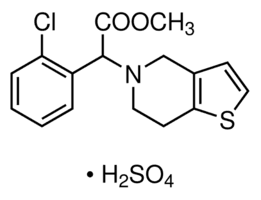
(±) Clopidogrel hydrogensulfate
Cell Biology
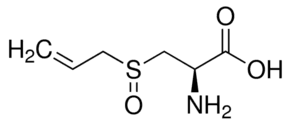
(±)-L-Alliin
C6H11NO3S
Cell Biology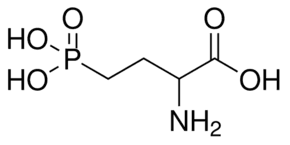
(±)-2-Amino-4-phosphonobutyric acid
C4H10NO5P
Cell Biology
(±)-2-Methylarachidonoyl-2′-fluoroethylamide
C23H38NOF
Cell Biology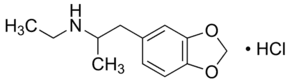
(±)-3,4-Methylenedioxy-N-ethylamphetamine hydrochloride
Cell Biology
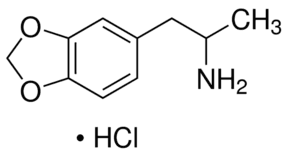
(±)-3,4-Methylenedioxyamphetamine hydrochloride
Cell Biology
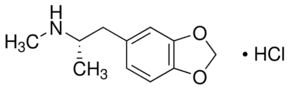
(±)-3,4-Methylenedioxymethamphetamine hydrochloride
Cell Biology