
Hydroquinone
Hydroquinone (CAS: 123-31-9, Formula: C6H4-1,4-(OH)2) is a white crystalline solid with a molecular weight of 110.11 g/mol. Known chemically as 1,4-Benzenediol or 1,4-Dihydroxybenzene, it serves as a key intermediate in various chemical syntheses. Its reducing properties also lend it to applications in photography and as a polymerization inhibitor. Tech Serve Solutions offers Hydroquinone in a SAJ special grade.
- IUPAC
- 1,4-Benzenediol,1,4-Dihydroxybenzene,HQ
- Synonyms
- 1,4-Benzenediol1,4-DihydroxybenzeneHQp-Dihydroxybenzenep-BenzenediolTecquinolIdrochinoneQuinol1,4-Hydroquinone

Chemical Synthesis Intermediate
Hydroquinone is a crucial building block in organic synthesis. It is utilized in the production of agrochemicals, dyes, and pharmaceuticals due to its reactive hydroxyl groups.
Polymerization Inhibitor
It acts as an effective inhibitor to prevent the premature polymerization of monomers such as acrylates and methacrylates during storage and transport.
Photographic Developer
Historically, hydroquinone has been widely used as a developing agent in black-and-white photography, reducing exposed silver halide crystals to metallic silver.
Antioxidant and Stabilizer
Its reducing capabilities make it valuable as an antioxidant in certain industrial applications to prevent oxidation of materials.
| Molecular weight | 110.11 |
|---|---|
| Linear formula | C6H4-1,4-(OH)2 |
| Assay | ≥99.0% |
| Grade | SAJ special grade |
| Boiling point | 285 °C(lit.) |
| Vapour pressure | 1 mmHg (132 °C) |
| Vapour density | 3.81 (vs air) |
| Melting point | 172-175 °C(lit.) |
| Autoignition temp | 930 °F |


Hazard statements
- H302Harmful if swallowed
- H317May cause an allergic skin reaction
- H318Causes serious eye damage
- H341Suspected of causing genetic defects
- H351Suspected of causing cancer
- H410Very toxic to aquatic life with long-lasting effects
Precautionary statements
- P273Avoid release to the environment
- P280Wear protective gloves, clothing and eye/face protection
- P305IF IN EYES
- P501Dispose of contents and container per local regulations
| Protective equipment | Eyeshields, Faceshields, full-face particle respirator type N100 (US), Gloves, respirator cartridge type N100 (US), type P1 (EN143) respirator filter, type P3 (EN 143) respirator cartridges |
|---|---|
| Flash point | 165 °C / 329 °F |
| Transport (UN / ADR) | UN 3077 9 / PGIII |
| Water hazard class (WGK, DE) | 3 |
| Hazard codes (EU) | Xn,N |
| Risk statements (R) | 22-40-41-43-50-68 |
| Safety statements (S) | 26-36/37/39-61 |
Hazard information is provided for guidance. Always consult the product Safety Data Sheet (SDS), available on request, before handling.
| Availability | available only in Japan |
|---|
Documentation
Every batch ships with a Certificate of Analysis covering assay, identity and purity; the grade is confirmed against your enquiry. Safety Data Sheets and technical data sheets are available on request.
Supply & logistics
Samples for technical evaluation; bulk MOQ by grade and packaging. In-stock material ships in 7–10 working days, worldwide, with full export documentation.
What is Hydroquinone used for?
+
Hydroquinone is primarily used as a chemical intermediate in syntheses, a polymerization inhibitor for monomers, and historically as a photographic developer. It also finds applications as an antioxidant.
What is the CAS number and chemical formula for Hydroquinone?
+
The CAS number for Hydroquinone is 123-31-9, and its linear chemical formula is C6H4-1,4-(OH)2.
What grade and purity does Tech Serve Solutions supply?
+
Tech Serve Solutions supplies Hydroquinone in a SAJ special grade with an assay of ≥99.0%. We do not represent this product as USP, BP, or EP grade unless explicitly stated.
What are the main safety hazards associated with Hydroquinone?
+
Hydroquinone is classified with Danger signal word, presenting hazards including serious eye damage (H318), skin sensitisation (H317), harmful if swallowed (H302), suspected of causing genetic defects (H341), and suspected of causing cancer (H351), and is very toxic to aquatic life with long-lasting effects (H410).
Is Hydroquinone available for export?
+
This product is currently available only in Japan. Please contact us for specific international export inquiries, as availability may vary.
How can I request a sample or quote for Hydroquinone?
+
To request a sample or a quotation for Hydroquinone, please use the contact form on our website or contact your dedicated TSS sales representative.
▶ Related products
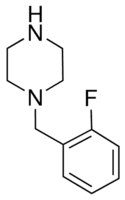
1-(2-Fluorobenzyl)piperazine
C11H15FN2
Chemical Synthesis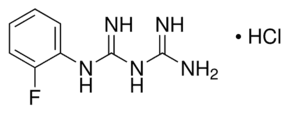
1-(2-Fluorophenyl)biguanide hydrochloride
Chemical Synthesis
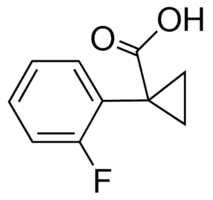
1-(2-Fluorophenyl)cyclopropanecarboxylic acid
C10H9FO2
Chemical Synthesis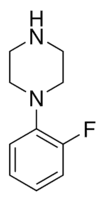
1-(2-Fluorophenyl)piperazine
C10H13FN2
Chemical Synthesis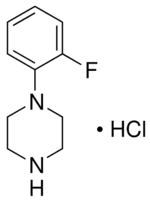
1-(2-Fluorophenyl)piperazine monohydrochloride
C10H13FN2 · HCl
Chemical Synthesis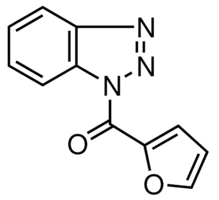
1-(2-Furoyl)-1H-benzotriazole
C11H7N3O2
Chemical Synthesis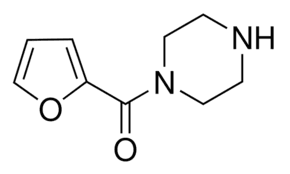
1-(2-Furoyl)piperazine
C9H12N2O2
Chemical Synthesis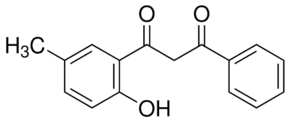
1-(2-Hydroxy-5-methylphenyl)-3-phenyl-1,3-propanedione
Chemical Synthesis
▶ Explore more

Bis(cyclopentadienyl)cobalt(III) hexafluorophosphate
C10H10CoF6P
Catalysis & Inorganic
1-(4-Chlorophenyl)biguanide hydrochloride
ClC6H4NHC(NH)NHC(NH)NH2 · HCl
Chemical Synthesis
Bis(cyclopentadienyl)dimethylzirconium(IV)
Catalysis & Inorganic

1-(4-Chlorophenyl)ethanol
ClC6H4CH(CH3)OH
Chemical Synthesis