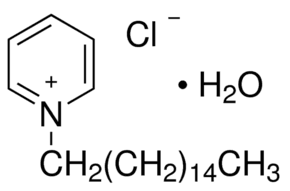
Hexadecylpyridinium chloride monohydrate
Hexadecylpyridinium chloride monohydrate (CAS: 6004-24-6; Formula: C21H38ClN · H2O; MW: 358.00) is a cationic surfactant. It is a vital component in the creation of cationic and mixed micelles, as well as in nanoparticle and hydrogel formulations. This compound is also employed for the extraction of membrane-associated enzymes, such as alkaline phosphatase, and is effective in the extraction of palladium and chromium.
- IUPAC
- Cetylpyridinium chloride monohydrate
- Synonyms
- Cetylpyridinium chloride monohydrate
Micelle and Nanoparticle Formation
Utilised as a key ingredient in forming cationic and mixed micelles. It also plays a role in the composition of nanoparticles and hydrogels.
Enzyme Extraction
This compound is effective for the extraction of membrane-associated enzymes, including alkaline phosphatase.
Metal Ion Extraction
Hexadecylpyridinium chloride monohydrate can be used in processes for the extraction of metal ions such as chromium and palladium.
| Molecular weight | 358.00 |
|---|---|
| Empirical formula | C21H38ClN · H2O |
| Assay | 99.0-102.0% |
| Solubility | H2O: soluble0.5 M, clear, colorless to faintly yellow |
| Impurities tested | ≤0.001% Phosphorus (P)≤0.1% Insoluble matter |
| Application | Used as a component of cationic and mixed micelles and in nanoparticle and hydrogel compositions and for extraction of membrane-associated enzymes such as alkaline phosphatase. Also used for extraction of chromium and palladium. |
| Suitability | meets USP testing specifications |


Hazard statements
- H301Toxic if swallowed
- H315Causes skin irritation
- H318Causes serious eye damage
- H330Fatal if inhaled
- H335May cause respiratory irritation
- H400Very toxic to aquatic life
Precautionary statements
- P260Do not breathe dust, fume, gas, mist, vapours or spray
- P273Avoid release to the environment
- P280Wear protective gloves, clothing and eye/face protection
- P284Wear respiratory protection
- P301IF SWALLOWED
- P305IF IN EYES
| Protective equipment | Eyeshields, Faceshields, full-face particle respirator type N100 (US), Gloves, respirator cartridge type N100 (US), type P1 (EN143) respirator filter, type P3 (EN 143) respirator cartridges |
|---|---|
| Transport (UN / ADR) | UN 2811 6.1/PG 2 |
| Water hazard class (WGK, DE) | 3 |
| Hazard codes (EU) | T+,N |
| Risk statements (R) | 25-26-36/37/38-50/53 |
| Safety statements (S) | 26-28-36/37-61 |
| Cation traces | Al: ≤0.0005%Ca: ≤0.0005%Cu: ≤0.0005%Fe: ≤0.001%K: ≤0.005%Mg: ≤0.0005%Na: ≤0.005%Pb: ≤0.001%Zn: ≤0.0005% |
| Anion traces | sulfate (SO42-): ≤0.05% |
| Ignition residue | ≤0.1% |
Hazard information is provided for guidance. Always consult the product Safety Data Sheet (SDS), available on request, before handling.
| Isbn 10 | MFCD00149977 |
|---|---|
| Description | cationic |
Documentation
Every batch ships with a Certificate of Analysis covering assay, identity and purity; the grade is confirmed against your enquiry. Safety Data Sheets and technical data sheets are available on request.
Supply & logistics
Samples for technical evaluation; bulk MOQ by grade and packaging. In-stock material ships in 7–10 working days, worldwide, with full export documentation.
What is Hexadecylpyridinium chloride monohydrate used for?
+
Hexadecylpyridinium chloride monohydrate is used as a component in the creation of cationic and mixed micelles, nanoparticle and hydrogel compositions, and for the extraction of membrane-associated enzymes and certain metal ions like chromium and palladium.
What are the CAS number and formula for Hexadecylpyridinium chloride monohydrate?
+
The CAS number is 6004-24-6 and the molecular formula is C21H38ClN · H2O.
What grade and purity does Tech Serve Solutions supply?
+
Tech Serve Solutions supplies Hexadecylpyridinium chloride monohydrate with an assay of 99.0-102.0%. The product meets USP testing specifications and is supplied as a technical/research grade. TSS does not represent this product as USP, BP, or EP grade unless explicitly stated in the specification.
How should Hexadecylpyridinium chloride monohydrate be handled safely?
+
This compound is classified as Dangerous. Handling requires appropriate personal protective equipment including eyeshields, face shields, and gloves, along with a suitable respirator. Refer to the safety data sheet for comprehensive handling and hazard information, including H301, H315, H318, H330, H335, and H400.
Is Hexadecylpyridinium chloride monohydrate a controlled substance?
+
The provided data does not indicate that Hexadecylpyridinium chloride monohydrate is a controlled substance.
How is Hexadecylpyridinium chloride monohydrate packed, shipped, and exported?
+
Tech Serve Solutions specialises in the global supply and export of fine chemicals, adhering to all necessary regulations for safe and compliant packaging, shipping, and export procedures.
How can I request a sample or quote for Hexadecylpyridinium chloride monohydrate?
+
To request a sample or a quotation for Hexadecylpyridinium chloride monohydrate, please contact our sales team via the website or by phone.
▶ Related products
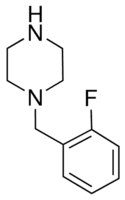
1-(2-Fluorobenzyl)piperazine
C11H15FN2
Chemical Synthesis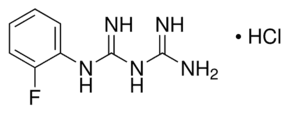
1-(2-Fluorophenyl)biguanide hydrochloride
Chemical Synthesis
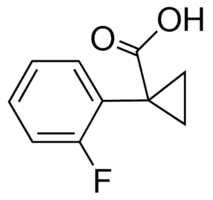
1-(2-Fluorophenyl)cyclopropanecarboxylic acid
C10H9FO2
Chemical Synthesis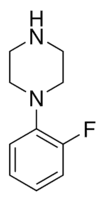
1-(2-Fluorophenyl)piperazine
C10H13FN2
Chemical Synthesis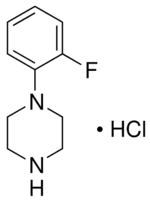
1-(2-Fluorophenyl)piperazine monohydrochloride
C10H13FN2 · HCl
Chemical Synthesis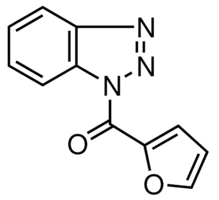
1-(2-Furoyl)-1H-benzotriazole
C11H7N3O2
Chemical Synthesis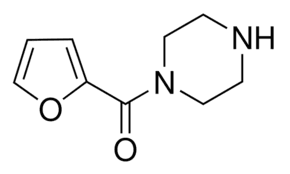
1-(2-Furoyl)piperazine
C9H12N2O2
Chemical Synthesis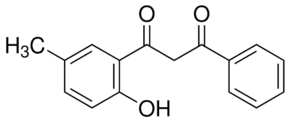
1-(2-Hydroxy-5-methylphenyl)-3-phenyl-1,3-propanedione
Chemical Synthesis