
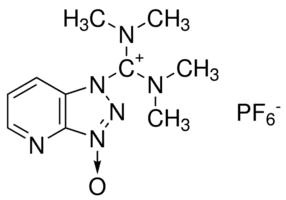
HATU
HATU (CAS 148893-10-1), with the molecular formula C10H15F6N6OP and a molecular weight of 380.23 g/mol, is a highly effective phosphonium-based peptide coupling reagent. It is widely utilised in organic synthesis, particularly for facilitating amide bond formation in peptide chemistry. HATU offers advantages such as rapid reaction kinetics and reduced racemisation, making it a valuable tool for constructing complex peptide sequences and related molecules in research and development settings.
- IUPAC
- 1-[Bis(dimethylamino)methylene]-1H-1,2,3-triazolo[4,5-b]pyridinium 3-oxid hexafluorophosphate,N-[(Dimethylamino)-1H-1,2,3-triazolo-[4,5-b]pyridin-1-ylmethylene]-N-methylmethanaminium hexafluorophosphate N-oxide
- Synonyms
- 1-[Bis(dimethylamino)methylene]-1H-1,2,3-triazolo[4,5-b]pyridinium 3-oxid hexafluorophosphate|N-[(Dimethylamino)-1H-1,2,3-triazolo-[4,5-b]pyridin-1-ylmethylene]-N-methylmethanaminium hexafluorophosphate N-oxide
Peptide Synthesis
HATU is a premier reagent for the efficient formation of peptide bonds. It is employed in solid-phase and solution-phase peptide synthesis to couple amino acids and build peptide chains with high yields and minimal epimerisation.
Amide Bond Formation
Beyond peptide synthesis, HATU serves as a versatile reagent for general amide bond construction in organic chemistry. It effectively couples carboxylic acids with primary and secondary amines under mild conditions.
Chemical Biology Research
This reagent finds application in chemical biology for synthesising modified peptides, peptidomimetics, and other biomolecules. Its efficacy aids in the development of novel probes and therapeutics.
Organic Synthesis
As a powerful coupling agent, HATU is instrumental in various organic synthesis pathways where the formation of an amide linkage is a critical step. It enables the construction of complex organic structures.
| Molecular weight | 380.23 |
|---|---|
| Empirical formula | C10H15F6N6OP |
| Assay | ≥98.0% (CHN) |
| Storage temperature | 2-8°C |
| Application | Peptide coupling reagent. |
| Melting point | 183-185 °C(lit.)183-188 °C (dec.) |


Hazard statements
- H228Flammable solid
- H315Causes skin irritation
- H319Causes serious eye irritation
- H335May cause respiratory irritation
Precautionary statements
- P210Keep away from heat, sparks and open flames. No smoking
- P261Avoid breathing dust, fume, gas or vapours
- P305IF IN EYES
| Protective equipment | dust mask type N95 (US), Eyeshields, Gloves |
|---|---|
| Transport (UN / ADR) | UN 1325 4.1 / PGII |
| Water hazard class (WGK, DE) | 3 |
| Hazard codes (EU) | E,Xi |
| Risk statements (R) | 2-36/37/38 |
| Safety statements (S) | 26-35 |
Hazard information is provided for guidance. Always consult the product Safety Data Sheet (SDS), available on request, before handling.
Documentation
Every batch ships with a Certificate of Analysis covering assay, identity and purity; the grade is confirmed against your enquiry. Safety Data Sheets and technical data sheets are available on request.
Supply & logistics
Samples for technical evaluation; bulk MOQ by grade and packaging. In-stock material ships in 7–10 working days, worldwide, with full export documentation.
What is HATU primarily used for?
+
HATU is a highly effective peptide coupling reagent used for forming amide bonds, particularly in solid-phase and solution-phase peptide synthesis. It is also utilised in general organic synthesis and chemical biology research.
What are the CAS number and molecular formula for HATU?
+
The CAS number for HATU is 148893-10-1, and its molecular formula is C10H15F6N6OP.
What grade and purity does Tech Serve Solutions supply for HATU?
+
Tech Serve Solutions supplies HATU with an assay of ≥98.0% (CHN). We do not represent this product as USP, BP, or EP grade unless explicitly stated in the product data.
What are the main safety hazards associated with HATU?
+
HATU is classified as Danger, with hazards including H228 (Flammable solid), H315 (Causes skin irritation), H319 (Causes serious eye irritation), and H335 (May cause respiratory irritation). Appropriate personal protective equipment, including a dust mask (N95), eyeshields, and gloves, must be used. It is a flammable solid (UN 1325, 4.1/PGII) and requires careful handling away from ignition sources.
How is HATU packed, shipped, and exported?
+
HATU is typically packed in accordance with safety regulations for flammable solids. As a global supplier, Tech Serve Solutions professionally packs and exports chemicals worldwide, adhering to all relevant international shipping and customs requirements.
How can I request a sample or quote for HATU?
+
To request a sample or obtain a quotation for HATU, please contact our sales team directly through the website or by phone. Our specialists will assist you promptly with your inquiry.
▶ Related products
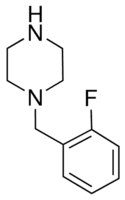
1-(2-Fluorobenzyl)piperazine
C11H15FN2
Chemical Synthesis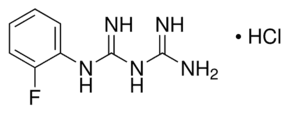
1-(2-Fluorophenyl)biguanide hydrochloride
Chemical Synthesis
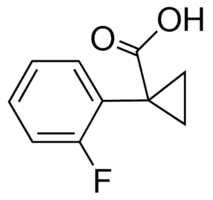
1-(2-Fluorophenyl)cyclopropanecarboxylic acid
C10H9FO2
Chemical Synthesis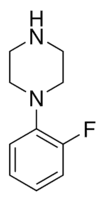
1-(2-Fluorophenyl)piperazine
C10H13FN2
Chemical Synthesis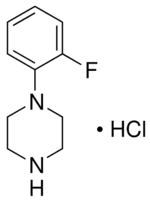
1-(2-Fluorophenyl)piperazine monohydrochloride
C10H13FN2 · HCl
Chemical Synthesis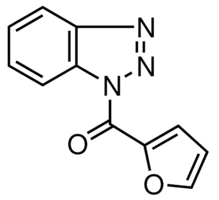
1-(2-Furoyl)-1H-benzotriazole
C11H7N3O2
Chemical Synthesis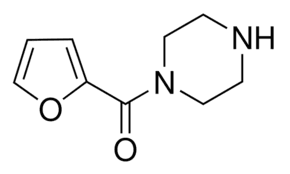
1-(2-Furoyl)piperazine
C9H12N2O2
Chemical Synthesis
1-(2-Hydroxy-5-methylphenyl)-3-phenyl-1,3-propanedione
Chemical Synthesis
▶ Explore more

Bis(cyclopentadienyl)cobalt(III) hexafluorophosphate
C10H10CoF6P
Catalysis & Inorganic
1-(4-Chlorophenyl)biguanide hydrochloride
ClC6H4NHC(NH)NHC(NH)NH2 · HCl
Chemical Synthesis
Bis(cyclopentadienyl)dimethylzirconium(IV)
Catalysis & Inorganic

1-(4-Chlorophenyl)ethanol
ClC6H4CH(CH3)OH
Chemical Synthesis