
Halopemide
Halopemide (CAS 59831-65-1), with a molecular formula of C21H22ClFN4O2 and a molecular weight of 416.88, is an off-white powder. It functions as a non-specific phospholipase D (PLD) antagonist. This compound is valuable in research for elucidating the physiological roles of PLD enzymes and serves as a foundational structure for the development of more targeted PLD inhibitors.
- IUPAC
- N-(2-(4-(5-Chloro-2-oxo-1-benzimidazolinyl)piperidino)ethyl)-p-fluorobenzamide

Phospholipase D Antagonism
Halopemide acts as a non-specific antagonist of phospholipase D (PLD) enzymes. It can be used in cellular studies to investigate the downstream effects mediated by PLD activity, offering insights into signaling pathways regulated by these enzymes.
Tool for Developing Selective Inhibitors
The chemical structure of Halopemide provides a basis for medicinal chemistry efforts aimed at designing and synthesising novel, more selective PLD antagonists. Research utilising Halopemide can guide the development of potential therapeutic agents.
Cellular Signaling Research
As an antagonist of PLD, Halopemide is employed in cell biology to probe the intricacies of cell signaling, particularly pathways involving lipid metabolism and neurotransmission. Its use helps researchers to delineate specific roles of PLD isozymes.
| Molecular weight | 416.88 |
|---|---|
| Empirical formula | C21H22ClFN4O2 |
| Assay | ≥98% (HPLC) |
| Form | powder |
| Colour | off-white |
| Solubility | DMSO: >10 mg/mL |
| Storage temperature | 2-8°C |
| Application | Halopemide, a non-specific phospholipase D (PLD) antagonist, may be used with selective PLD antagonists (CAY10593, a PLD1 antagonist; CAY10594 or ML298, selective PLD2 antagonist) to help define the role and physiological effects regulated by phospholipase D enzymes. Halopemide may be used as the basis of the design and development of more selective PLD antagonists.1,2 |

Hazard statements
- H302Harmful if swallowed
| Water hazard class (WGK, DE) | 3 |
|---|---|
| Hazard codes (EU) | Xn |
| Risk statements (R) | 22 |
Hazard information is provided for guidance. Always consult the product Safety Data Sheet (SDS), available on request, before handling.
Documentation
Every batch ships with a Certificate of Analysis covering assay, identity and purity; the grade is confirmed against your enquiry. Safety Data Sheets and technical data sheets are available on request.
Supply & logistics
Samples for technical evaluation; bulk MOQ by grade and packaging. In-stock material ships in 7–10 working days, worldwide, with full export documentation.
What is Halopemide primarily used for?
+
Halopemide is primarily used as a non-specific phospholipase D (PLD) antagonist in research settings to study the physiological roles of PLD enzymes and as a basis for developing more selective PLD inhibitors.
What are the CAS number and molecular formula for Halopemide?
+
The CAS number for Halopemide is 59831-65-1, and its molecular formula is C21H22ClFN4O2.
What grade and purity does Tech Serve Solutions supply?
+
Tech Serve Solutions supplies Halopemide with a purity of ≥98% (HPLC). We do not represent this product as USP, BP, or EP grade.
How should Halopemide be handled safely?
+
Halopemide is classified with a GHS07 symbol and a Warning signal word. It carries the hazard statement H302 (Harmful if swallowed). Handle with appropriate personal protective equipment, avoid ingestion, and consult the Safety Data Sheet (SDS) for comprehensive handling information.
How is Halopemide typically supplied and exported?
+
Halopemide is supplied as an off-white powder and is carefully packaged for secure shipment and export globally by Tech Serve Solutions, adhering to all relevant regulations.
How can I request a sample or a quote for Halopemide?
+
To request a sample or a quote for Halopemide, please contact the Tech Serve Solutions sales team through our official website or by email, providing your contact details and required quantity.
▶ Related products
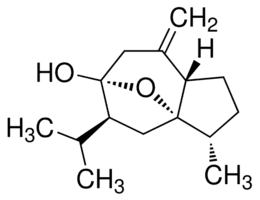
(−)-Curcumol
C15H24O2
Cell Biology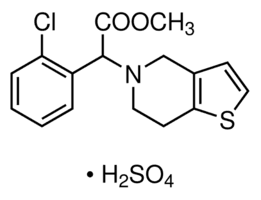
(±) Clopidogrel hydrogensulfate
Cell Biology
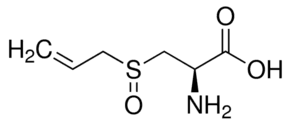
(±)-L-Alliin
C6H11NO3S
Cell Biology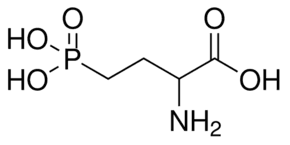
(±)-2-Amino-4-phosphonobutyric acid
C4H10NO5P
Cell Biology
(±)-2-Methylarachidonoyl-2′-fluoroethylamide
C23H38NOF
Cell Biology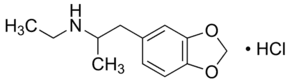
(±)-3,4-Methylenedioxy-N-ethylamphetamine hydrochloride
Cell Biology
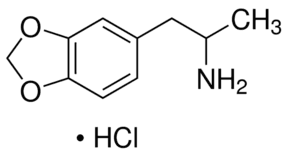
(±)-3,4-Methylenedioxyamphetamine hydrochloride
Cell Biology
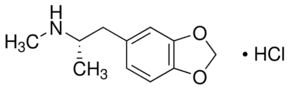
(±)-3,4-Methylenedioxymethamphetamine hydrochloride
Cell Biology
▶ Explore more

Bis(cyclopentadienyl)cobalt(III) hexafluorophosphate
C10H10CoF6P
Catalysis & Inorganic
1-(4-Chlorophenyl)biguanide hydrochloride
ClC6H4NHC(NH)NHC(NH)NH2 · HCl
Chemical Synthesis
Bis(cyclopentadienyl)dimethylzirconium(IV)
Catalysis & Inorganic

1-(4-Chlorophenyl)ethanol
ClC6H4CH(CH3)OH
Chemical Synthesis