Hafnium(IV) oxide
Hafnium(IV) oxide (CAS: 12055-23-1, HfO2) is a high-purity white powder with a molecular weight of 210.49 g/mol. Exhibiting a density of 9.68 g/mL at 25 °C, this oxide is known for its exceptional thermal stability and dielectric properties. It finds significant application as a dielectric material in microelectronics, in the production of advanced ceramics, and as a refractory material due to its high melting point.

High-k Dielectric Material
Hafnium(IV) oxide is a crucial material in the semiconductor industry, serving as a high-k dielectric layer in advanced transistors to enable further miniaturisation and improve device performance.
Advanced Ceramics
Its refractory properties and thermal stability make HfO2 a valuable component in the manufacturing of high-performance ceramics for demanding applications, including components for aerospace and industrial furnaces.
Optical Coatings
The high refractive index and transparency in certain wavelength ranges allow Hafnium(IV) oxide to be used in optical coatings, enhancing the performance of lenses and other optical components.
Refractory Applications
Due to its very high melting point and resistance to chemical attack, it is employed as a refractory material in crucibles and high-temperature vessels for specialised metallurgical processes.
| Molecular weight | 210.49 |
|---|---|
| Empirical formula | HfO2 |
| Assay | 98% |
| Form | powder |
| Density | 9.68 g/mL at 25 °C(lit.) |
| Protective equipment | Eyeshields, Gloves, type N95 (US), type P1 (EN143) respirator filter |
|---|---|
| Water hazard class (WGK, DE) | 3 |
Hazard information is provided for guidance. Always consult the product Safety Data Sheet (SDS), available on request, before handling.
Documentation
Every batch ships with a Certificate of Analysis covering assay, identity and purity; the grade is confirmed against your enquiry. Safety Data Sheets and technical data sheets are available on request.
Supply & logistics
Samples for technical evaluation; bulk MOQ by grade and packaging. In-stock material ships in 7–10 working days, worldwide, with full export documentation.
What is Hafnium(IV) oxide used for?
+
Hafnium(IV) oxide is primarily used as a high-k dielectric material in microelectronics, in the production of advanced ceramics, as a refractory material, and in optical coatings.
What is the CAS number and chemical formula for Hafnium(IV) oxide?
+
The CAS number for Hafnium(IV) oxide is 12055-23-1, and its chemical formula is HfO2.
What grade and purity does Tech Serve Solutions supply?
+
Tech Serve Solutions supplies Hafnium(IV) oxide with an assay of 98%. We do not represent this product as USP, BP, or EP grade.
What are the safety and handling considerations for Hafnium(IV) oxide?
+
Handle Hafnium(IV) oxide with appropriate personal protective equipment, including eyeshields and gloves. A type N95 (US) or type P1 (EN143) respirator filter is recommended. Observe good laboratory practices to avoid dust formation and inhalation. It is classified under WGK Germany 3.
How is Hafnium(IV) oxide packed and shipped?
+
Hafnium(IV) oxide is supplied as a powder. For export inquiries, please contact our sales team for specific packaging and shipping information.
How can I request a quote or sample for Hafnium(IV) oxide?
+
To request a quote or a sample of Hafnium(IV) oxide, please contact the Tech Serve Solutions sales department via our website or by phone.
▶ Related products
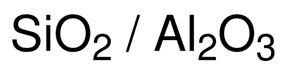
Aluminosilicate, mesostructured
Metal & Ceramic Science
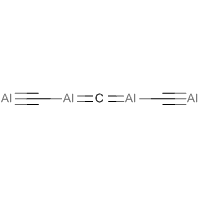
Aluminum carbide
Al4C3
Metal & Ceramic Science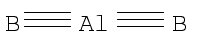
Aluminum diboride
AlB2
Metal & Ceramic Science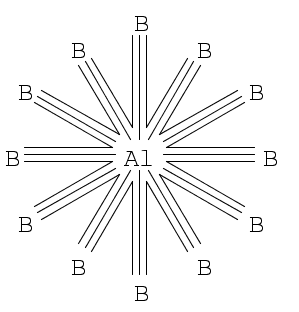
Aluminum dodecaboride
AlB12
Metal & Ceramic Science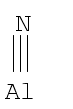
Aluminum nitride
AlN
Metal & Ceramic Science
Aluminum sulfide
Al2S3
Metal & Ceramic Science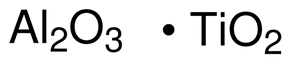
Aluminum titanate
Al2O3·TiO2
Metal & Ceramic Science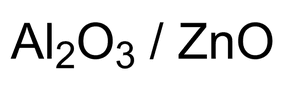
Aluminum zinc oxide
Al2O3/ZnO
Metal & Ceramic Science