
Graphite
Graphite (CAS: 7782-42-5, Formula: C) is a pure elemental carbon material with a molecular weight of 12.01 g/mol. Known for its excellent electrical and thermal conductivity, lubricating properties, and high-temperature resistance, graphite is supplied by TSS in a 3mm diameter rod form with a purity of 99.995%. Its unique characteristics make it invaluable across various scientific and industrial sectors, including electronics and materials science.

Electrode Material
Due to its high electrical conductivity and resistance to corrosion, graphite is extensively used as an electrode material in applications such as electrochemistry, arc furnaces, and batteries.
Lubricant
Graphite's layered structure allows its layers to slide easily over each other, making it an effective dry lubricant for various mechanical components, especially in high-temperature or vacuum environments.
Refractory Material
Its exceptionally high melting point and chemical inertness make graphite a crucial component in refractory materials for high-temperature industrial processes like furnace linings and crucibles.
Moderator in Nuclear Reactors
High-purity graphite is used as a neutron moderator in certain types of nuclear reactors, slowing down fast neutrons to increase the likelihood of nuclear fission.
Component in Advanced Materials
Graphite serves as a foundational material for advanced carbon-based products, including composites, graphene, and carbon fibres, utilised in aerospace, automotive, and sporting goods.
| Molecular weight | 12.01 |
|---|---|
| Empirical formula | C |
| Assay | 99.995% |
| Form | rod |
| Density | 2.2 g/mL at 25 °C |
| Melting point | 3652-3697 °C(lit.) |
| Protective equipment | dust mask type N95 (US), Eyeshields, Gloves |
|---|---|
| Water hazard class (WGK, DE) | 1 |
Hazard information is provided for guidance. Always consult the product Safety Data Sheet (SDS), available on request, before handling.
| Diam | 3 mm |
|---|
Documentation
Every batch ships with a Certificate of Analysis covering assay, identity and purity; the grade is confirmed against your enquiry. Safety Data Sheets and technical data sheets are available on request.
Supply & logistics
Samples for technical evaluation; bulk MOQ by grade and packaging. In-stock material ships in 7–10 working days, worldwide, with full export documentation.
What is Graphite used for?
+
Graphite is used as an electrode material, dry lubricant, refractory material, neutron moderator in nuclear reactors, and as a component in advanced carbon-based materials.
What is the CAS number and formula for Graphite?
+
The CAS number for Graphite is 7782-42-5, and its chemical formula is C.
What grade and purity does Tech Serve Solutions supply for Graphite?
+
Tech Serve Solutions supplies Graphite with an assay of 99.995% purity. This product is not certified as USP, BP, or EP grade.
How should Graphite be handled safely?
+
When handling Graphite, it is important to use a dust mask (N95 type), eyeshields, and gloves. Avoid generating dust, as it can be a respiratory irritant.
How is Graphite packed and shipped by TSS?
+
Graphite is supplied by TSS in a rod form. Details regarding specific packing for export or shipment can be provided upon request.
How can I request a quote or sample for Graphite?
+
To request a quote or sample for Graphite, please contact our sales team through the website or by phone. We are equipped to handle global export inquiries.
▶ Related products
Aluminosilicate, mesostructured
Metal & Ceramic Science
Aluminum carbide
Al4C3
Metal & Ceramic Science
Aluminum diboride
AlB2
Metal & Ceramic Science
Aluminum dodecaboride
AlB12
Metal & Ceramic Science
Aluminum nitride
AlN
Metal & Ceramic Science
Aluminum sulfide
Al2S3
Metal & Ceramic Science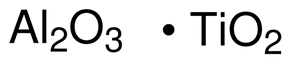
Aluminum titanate
Al2O3·TiO2
Metal & Ceramic Science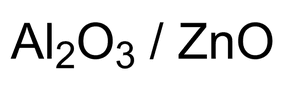
Aluminum zinc oxide
Al2O3/ZnO
Metal & Ceramic Science▶ Explore more

Bis(cyclopentadienyl)cobalt(III) hexafluorophosphate
C10H10CoF6P
Catalysis & Inorganic
1-(4-Chlorophenyl)biguanide hydrochloride
ClC6H4NHC(NH)NHC(NH)NH2 · HCl
Chemical Synthesis
Bis(cyclopentadienyl)dimethylzirconium(IV)
Catalysis & Inorganic

1-(4-Chlorophenyl)ethanol
ClC6H4CH(CH3)OH
Chemical Synthesis