Glycol chitosan
Glycol chitosan (CAS 123938-86-3) is a deacetylated derivative of glycol chitin. This polysaccharide exhibits the ability to increase membrane permeability and leakage in specific plant cells, such as Glycine max Harosoy 63w. It is supplied by Tech Serve Solutions for research and development purposes, often utilised in biochemical studies and as a laboratory reagent. Stored at -20°C, its typical assay is ≥60% via titration.
- IUPAC
- Glycol chitin, deacetylated

Enhancing Membrane Permeability
Glycol chitosan has demonstrated efficacy in increasing membrane permeability and promoting leakage in plant cells, notably observed in Glycine max Harosoy 63w. This property is valuable for experimental cellular studies.
Biochemical Research
As a derivative of chitosan, Glycol chitosan serves as a valuable reagent in biochemical research. Its unique properties allow for exploration in various biological and chemical investigations.
Laboratory Reagent
This compound functions as a laboratory reagent, supporting a range of analytical and experimental procedures within scientific research settings. Its specific characteristics make it suitable for specialised applications.
| Assay | ≥60% (titration) |
|---|---|
| Storage temperature | −20°C |
| Application | Glycol chitosan increases membrane permeability and leakage in Glycine max Harosoy 63w cells. 1 |
| Protective equipment | Eyeshields, Gloves, type N95 (US), type P1 (EN143) respirator filter |
|---|---|
| Water hazard class (WGK, DE) | 3 |
Hazard information is provided for guidance. Always consult the product Safety Data Sheet (SDS), available on request, before handling.
Documentation
Every batch ships with a Certificate of Analysis covering assay, identity and purity; the grade is confirmed against your enquiry. Safety Data Sheets and technical data sheets are available on request.
Supply & logistics
Samples for technical evaluation; bulk MOQ by grade and packaging. In-stock material ships in 7–10 working days, worldwide, with full export documentation.
What is Glycol chitosan primarily used for?
+
Glycol chitosan is primarily used to increase membrane permeability and leakage in specific plant cells, such as Glycine max Harosoy 63w, and serves as a biochemical reagent in research laboratories.
What is the CAS number and formula for Glycol chitosan?
+
The CAS number for Glycol chitosan is 123938-86-3. The chemical formula is not provided in the product data.
What grade and purity does Tech Serve Solutions supply?
+
Tech Serve Solutions supplies Glycol chitosan with an assay of ≥60% (titration). This is not a USP, BP, or EP grade; it is supplied for research and laboratory use.
How should Glycol chitosan be handled and stored safely?
+
Handling Glycol chitosan requires appropriate personal protective equipment, including eyeshields and gloves. A P1 (EN143) or N95 (US) respirator filter is recommended. It should be stored at -20°C. It is classified under WGK 3 in Germany, indicating a high hazard to water.
How is Glycol chitosan packed, shipped, and exported?
+
Glycol chitosan is carefully packed to ensure stability during transit and is exported globally by Tech Serve Solutions in compliance with relevant regulations.
How can I request a quote or sample of Glycol chitosan?
+
To request a quote or a sample of Glycol chitosan, please contact our sales team through the Tech Serve Solutions website or by phone.
▶ Related products
![(±)-(E)-4-Ethyl-2-[(E)-hydroxyimino]-5-nitro-3-hexenamide (C8H13N3O4) — chemical structure, CAS 138472-01-2; Biochemicals & Reagents, fine chemical supplied by Tech Serve Solutions](/_next/image?url=https%3A%2F%2Fpub-f4d920c906024441a773a96f7098e551.r2.dev%2Fimages%2Fproducts%2F138472-01-2.png&w=3840&q=75)
(±)-(E)-4-Ethyl-2-[(E)-hydroxyimino]-5-nitro-3-hexenamide
C8H13N3O4
Biochemicals & Reagents![(±)-(E)-4-Ethyl-2-[(Z)-hydroxyimino]-5-nitro-3-hexen-1-yl-nicotinamide (C14H18N4O4) — chemical structure, CAS 162626-99-5; Biochemicals & Reagents, fine chemical supplied by Tech Serve Solutions](/_next/image?url=https%3A%2F%2Fpub-f4d920c906024441a773a96f7098e551.r2.dev%2Fimages%2Fproducts%2F162626-99-5.png&w=3840&q=75)
(±)-(E)-4-Ethyl-2-[(Z)-hydroxyimino]-5-nitro-3-hexen-1-yl-nicotinamide
C14H18N4O4
Biochemicals & Reagents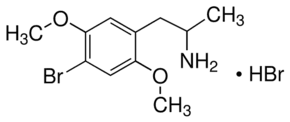
(±)-2,5-Dimethoxy-4-bromoamphetamine hydrobromide
Biochemicals & Reagents
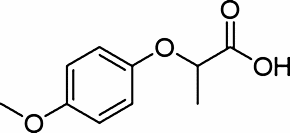
(±)-2-(p-Methoxyphenoxy)propionic acid
C10H12O4
Biochemicals & Reagents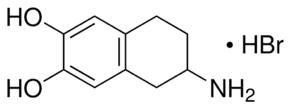
(±)-2-Amino-6,7-dihydroxy-1,2,3,4-tetrahydronaphthalene hydrobromide
C10H13NO2·HBr
Biochemicals & Reagents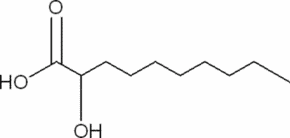
(±)-2-Hydroxydecanoic acid
C10H20O3
Biochemicals & Reagents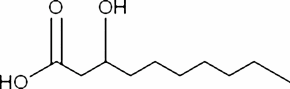
(±)-3-Hydroxydecanoic acid
C10H20O3
Biochemicals & Reagents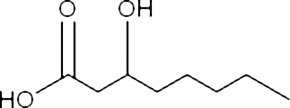
(±)-3-Hydroxyoctanoic acid
C8H16O3
Biochemicals & Reagents