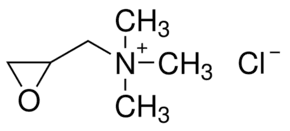
Glycidyltrimethylammonium chloride
Glycidyltrimethylammonium chloride (CAS 3033-77-0) is a quaternary ammonium compound with the molecular formula C6H14ClNO and a molecular weight of 151.63 g/mol. This chemical serves as a valuable intermediate and reagent in synthetic organic chemistry. It is particularly recognised for its utility in reactions involving epoxide ring-opening and as a component in the synthesis of polymers and other complex molecules.
- IUPAC
- (2,3-Epoxypropyl)trimethylammonium chloride
- Synonyms
- (2,3-Epoxypropyl)trimethylammonium chloride
Chemical Synthesis Intermediate
Utilised as a reactive building block in organic synthesis, particularly for introducing quaternary ammonium functionalities. Its epoxide group allows for ring-opening reactions with various nucleophiles, leading to diverse chemical structures.
Phase Transfer Catalysis
Functions as a phase transfer catalyst, facilitating reactions between reactants located in different immiscible phases. This enhances reaction rates and yields in various organic transformations.
Polymer Modification
Can be employed in the modification of polymers to introduce cationic charges, influencing properties such as solubility, adhesion, and flocculation. This is relevant in the development of specialty polymers.
| Molecular weight | 151.63 |
|---|---|
| Empirical formula | C6H14ClNO |
| Assay | ≥90% (calc. based on dry substance, AT) |
| Grade | technical |
| Density | 1.13 g/mL at 20 °C(lit.) |
| Storage temperature | 2-8°C |
| Impurities tested | 2-4% chlorohydrin20-25% water |


Hazard statements
- H302Harmful if swallowed
- H317May cause an allergic skin reaction
- H318Causes serious eye damage
- H341Suspected of causing genetic defects
- H350May cause cancer
- H361F
- H373May cause damage to organs through prolonged exposure
- H412Harmful to aquatic life with long-lasting effects
Precautionary statements
- P201Obtain special instructions before use
- P273Avoid release to the environment
- P280Wear protective gloves, clothing and eye/face protection
- P305IF IN EYES
- P308IF exposed or concerned
| Protective equipment | Eyeshields, Faceshields, full-face particle respirator type N100 (US), Gloves, respirator cartridge type N100 (US), type P1 (EN143) respirator filter, type P3 (EN 143) respirator cartridges |
|---|---|
| Flash point | 170 °C / 338 °F |
| Water hazard class (WGK, DE) | 3 |
| Hazard codes (EU) | T |
| Risk statements (R) | 45-60-20/21/22-41-43-48/22-52/53-68 |
| Safety statements (S) | 53-26-36/37/39-45-61 |
Hazard information is provided for guidance. Always consult the product Safety Data Sheet (SDS), available on request, before handling.
Documentation
Every batch ships with a Certificate of Analysis covering assay, identity and purity; the grade is confirmed against your enquiry. Safety Data Sheets and technical data sheets are available on request.
Supply & logistics
Samples for technical evaluation; bulk MOQ by grade and packaging. In-stock material ships in 7–10 working days, worldwide, with full export documentation.
What is Glycidyltrimethylammonium chloride used for?
+
Glycidyltrimethylammonium chloride is used as an intermediate and reagent in chemical synthesis, including polymer modification and phase transfer catalysis.
What is the CAS number and formula for Glycidyltrimethylammonium chloride?
+
The CAS number is 3033-77-0 and the empirical formula is C6H14ClNO.
What grade and purity does Tech Serve Solutions supply?
+
Tech Serve Solutions supplies Glycidyltrimethylammonium chloride in technical grade with an assay of ≥90% (calculated based on dry substance, AT). Impurities include 2-4% chlorohydrin and 20-25% water. It is not represented as USP, BP, or EP grade.
What are the main safety concerns when handling Glycidyltrimethylammonium chloride?
+
This compound is classified as dangerous. It can cause severe skin burns and eye damage, is harmful if swallowed or inhaled, may cause an allergic skin reaction, and is suspected of causing genetic defects, cancer, and affecting fertility. It is also toxic to aquatic life with long-lasting effects. Always consult the Safety Data Sheet (SDS) and use appropriate personal protective equipment.
How is Glycidyltrimethylammonium chloride packed and shipped?
+
Tech Serve Solutions exports fine chemicals globally, ensuring appropriate packaging for safe transport according to international regulations. Specific packaging details are available upon request.
How can I request a sample or quote for Glycidyltrimethylammonium chloride?
+
To request a sample or a quotation, please use the contact form on the Tech Serve Solutions website or contact our sales department directly, referencing product CAS 3033-77-0.
▶ Related products
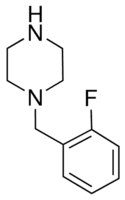
1-(2-Fluorobenzyl)piperazine
C11H15FN2
Chemical Synthesis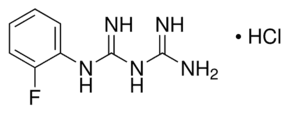
1-(2-Fluorophenyl)biguanide hydrochloride
Chemical Synthesis
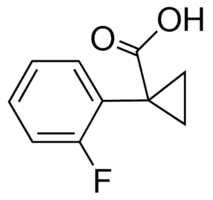
1-(2-Fluorophenyl)cyclopropanecarboxylic acid
C10H9FO2
Chemical Synthesis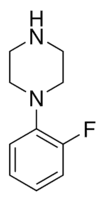
1-(2-Fluorophenyl)piperazine
C10H13FN2
Chemical Synthesis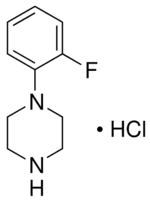
1-(2-Fluorophenyl)piperazine monohydrochloride
C10H13FN2 · HCl
Chemical Synthesis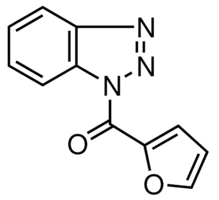
1-(2-Furoyl)-1H-benzotriazole
C11H7N3O2
Chemical Synthesis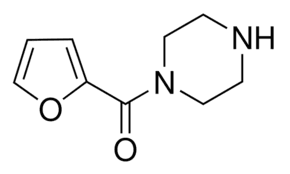
1-(2-Furoyl)piperazine
C9H12N2O2
Chemical Synthesis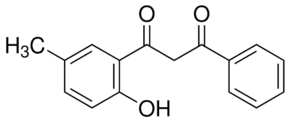
1-(2-Hydroxy-5-methylphenyl)-3-phenyl-1,3-propanedione
Chemical Synthesis