
Ginkgolide B from Ginkgo biloba leaves
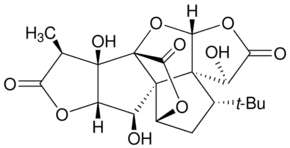
Ginkgolide B (CAS: 15291-77-7), a diterpene lactone with the molecular formula C20H24O10, is a significant compound isolated from Ginkgo biloba leaves. Known for its potent antioxidant and free radical scavenging properties, it plays a crucial role in various research applications. Ginkgolide B is widely utilised in chemical synthesis, cell biology, and cancer research, serving as a valuable tool for scientists exploring complex molecular interactions and therapeutic potentials.
- IUPAC
- BN-52021
Antioxidant and Free Radical Scavenging
Ginkgolide B exhibits significant antioxidant activity, making it a valuable compound for research into oxidative stress and cellular damage. Its ability to neutralise free radicals is of interest in studies related to ageing and various degenerative diseases.
Cancer Research
This compound is employed in cancer research for its potential chemopreventive properties. Investigations focus on its mechanisms of action in inhibiting tumour growth and its role in therapeutic strategies.
Cell Biology Studies
Ginkgolide B serves as a tool in cell biology research to investigate cellular signalling pathways and responses to oxidative stress. Its specific biological activities help elucidate complex cellular processes.
Chemical Synthesis
As a complex diterpene lactone, Ginkgolide B is of interest in asymmetric synthesis and the development of novel complex molecules. It can serve as a chiral building block or a target for synthetic methodology development.
Nutrition Research
In nutrition research, Ginkgolide B is studied for its presence in Ginkgo biloba extracts and its contribution to the overall phytochemical profile. Its physiological effects and bioavailability are areas of investigation.
| Molecular weight | 424.40 |
|---|---|
| Empirical formula | C20H24O10 |
| Assay | ≥90% (HPLC) |
| Storage temperature | −20°C |
| Impurities tested | ≤10.0% water |
| Protective equipment | Eyeshields, Gloves, type N95 (US), type P1 (EN143) respirator filter |
|---|---|
| Water hazard class (WGK, DE) | 3 |
Hazard information is provided for guidance. Always consult the product Safety Data Sheet (SDS), available on request, before handling.
| Shelf Life | (limited shelf life, expiry date on the label) |
|---|
Documentation
Every batch ships with a Certificate of Analysis covering assay, identity and purity; the grade is confirmed against your enquiry. Safety Data Sheets and technical data sheets are available on request.
Supply & logistics
Samples for technical evaluation; bulk MOQ by grade and packaging. In-stock material ships in 7–10 working days, worldwide, with full export documentation.
What is Ginkgolide B used for?
+
Ginkgolide B is used in antioxidant and free radical scavenging research, cancer research, cell biology studies, chemical synthesis, and nutrition research.
What are the CAS number and formula for Ginkgolide B?
+
The CAS number for Ginkgolide B is 15291-77-7, and its molecular formula is C20H24O10.
What grade and purity does Tech Serve Solutions supply?
+
Tech Serve Solutions supplies Ginkgolide B with an assay of ≥90% (HPLC), with impurities of ≤10.0% water. This product is intended for research and development purposes and is not represented as USP, BP, EP, or pharmacopoeia grade.
How should Ginkgolide B be handled and stored?
+
Handle Ginkgolide B with appropriate personal protective equipment, including eyeshields, gloves, and a type N95 (US) or type P1 (EN143) respirator filter. It should be stored at -20°C due to its limited shelf life.
How is Ginkgolide B packed, shipped, and exported?
+
Ginkgolide B is carefully packed to maintain its integrity during transit. Tech Serve Solutions, as a global supplier, exports this chemical worldwide, adhering to all relevant shipping regulations.
How can I request a quote or sample for Ginkgolide B?
+
To request a quote or a sample of Ginkgolide B, please contact the Tech Serve Solutions sales team through our website or by phone. Please specify the quantity required.
▶ Related products
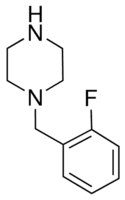
1-(2-Fluorobenzyl)piperazine
C11H15FN2
Chemical Synthesis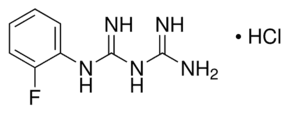
1-(2-Fluorophenyl)biguanide hydrochloride
Chemical Synthesis
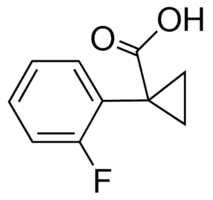
1-(2-Fluorophenyl)cyclopropanecarboxylic acid
C10H9FO2
Chemical Synthesis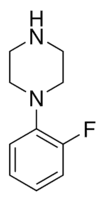
1-(2-Fluorophenyl)piperazine
C10H13FN2
Chemical Synthesis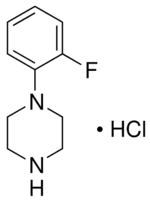
1-(2-Fluorophenyl)piperazine monohydrochloride
C10H13FN2 · HCl
Chemical Synthesis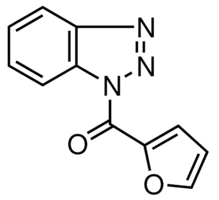
1-(2-Furoyl)-1H-benzotriazole
C11H7N3O2
Chemical Synthesis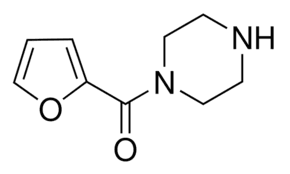
1-(2-Furoyl)piperazine
C9H12N2O2
Chemical Synthesis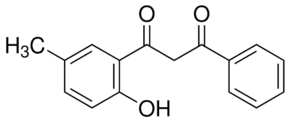
1-(2-Hydroxy-5-methylphenyl)-3-phenyl-1,3-propanedione
Chemical Synthesis
▶ Explore more

Bis(cyclopentadienyl)cobalt(III) hexafluorophosphate
C10H10CoF6P
Catalysis & Inorganic
1-(4-Chlorophenyl)biguanide hydrochloride
ClC6H4NHC(NH)NHC(NH)NH2 · HCl
Chemical Synthesis
Bis(cyclopentadienyl)dimethylzirconium(IV)
Catalysis & Inorganic

1-(4-Chlorophenyl)ethanol
ClC6H4CH(CH3)OH
Chemical Synthesis