
Formamide
Formamide (CAS: 75-12-7) is an organic compound with the molecular formula HCONH₂ and a molar mass of 45.04 g/mol. This ACS reagent grade solvent is a clear, colourless liquid known for its ability to destabilise nucleic acid duplexes. It is primarily utilised in biochemical applications, particularly in hybridization protocols requiring reduced annealing temperatures. Formamide serves as a crucial reagent in various scientific research and laboratory settings.
- IUPAC
- Amide C1,Formic amide
- Synonyms
- Amide C1Formic amide

Nucleic Acid Hybridization
Formamide is employed at concentrations typically around 50% to destabilise nucleic acid duplexes. This property is essential for reducing hybridization temperatures in protocols where lower annealing conditions are required.
Biochemical Reagent
As an ACS reagent grade solvent, formamide functions as a versatile reagent in biochemical research. Its unique solvent properties make it suitable for various laboratory applications.
Denaturation Agent
Formamide is utilized for its denaturation capabilities, particularly in the context of biomolecules. It aids in processes where structural integrity needs to be disrupted.
| Molecular weight | 45.04 |
|---|---|
| Linear formula | HCONH2 |
| Assay | ≥99.5% |
| Grade | ACS reagent |
| Colour | APHA: ≤10 |
| Boiling point | 210 °C(lit.) |
| Density | 1.134 g/mL at 25 °C(lit.) |
| Melting point | 2-3 °C(lit.) |
| Refractive index | n20/D 1.447(lit.) |
| Solubility | H2O: soluble10 M at 20 °C, clear, colorless |
| pH | 7-9 (25 °C, 1 M in H2O) |
| Vapour pressure | 0.08 mmHg (20 °C)30 mmHg (129 °C) |
| Vapour density | 1.55 (vs air) |
| Autoignition temp | 932 °F |
| Impurities tested | DNases, none detectedRNases, none detectedinsoluble matter, passes filter testphosphatases, none detectedproteases, none detected |
| Application | Formamide destabilizes nucleic acid duplexes and may be used, typically, at a concentration of 50%, in hybridization protocols requiring lower hybridization temperatures. |

Hazard statements
- H351Suspected of causing cancer
- H360D
- H373May cause damage to organs through prolonged exposure
Precautionary statements
- P201Obtain special instructions before use
- P281Use personal protective equipment as required
- P308IF exposed or concerned
| Protective equipment | Eyeshields, full-face respirator (US), Gloves, multi-purpose combination respirator cartridge (US), type ABEK (EN14387) respirator filter |
|---|---|
| Flash point | 175 °C / 347 °F |
| Water hazard class (WGK, DE) | 1 |
| Hazard codes (EU) | T |
| Risk statements (R) | 61-40-48/22 |
| Safety statements (S) | 53-36/37-45 |
| Anion traces | chloride (Cl-): ≤1 mg/kgsulfate (SO42-): ≤10 mg/kg |
| Ignition residue | ≤0.1% |
Hazard information is provided for guidance. Always consult the product Safety Data Sheet (SDS), available on request, before handling.
| Target Organs | Blood |
|---|---|
| Transition Temp | freezing point 2.0-3.0 °C |
| Uv Absorption | λ: 260 nm Amax: ≤0.4λ: 280 nm Amax: ≤0.1 |
Documentation
Every batch ships with a Certificate of Analysis covering assay, identity and purity; the grade is confirmed against your enquiry. Safety Data Sheets and technical data sheets are available on request.
Supply & logistics
Samples for technical evaluation; bulk MOQ by grade and packaging. In-stock material ships in 7–10 working days, worldwide, with full export documentation.
What is Formamide used for?
+
Formamide (CAS: 75-12-7) is primarily used in biochemical applications to destabilise nucleic acid duplexes, which is beneficial for lowering hybridization temperatures in specific protocols. It also serves as a denaturing agent in various laboratory procedures.
What is the CAS number and chemical formula for Formamide?
+
The CAS number for Formamide is 75-12-7, and its linear chemical formula is HCONH₂.
What grade and purity does Tech Serve Solutions supply for Formamide?
+
Tech Serve Solutions supplies Formamide at ACS reagent grade with an assay of ≥99.5%.
How should Formamide be handled safely?
+
Formamide presents hazards including suspected carcinogenicity (H351), suspected danger of damaging fertility or the unborn child (H360D), and may cause damage to organs through prolonged or repeated exposure (H373). Appropriate personal protective equipment, including eyeshields, gloves, and a suitable respirator, should be used. Handle in a well-ventilated area and follow all safety data sheet guidelines.
How is Formamide packed and exported by TSS?
+
Formamide is available in amber glass bottles and is carefully packed for export to ensure product integrity and compliance with international shipping regulations.
How can I request a quote or sample for Formamide?
+
To request a quote or sample for Formamide, please contact the Tech Serve Solutions sales team via our website or direct inquiry channels.
▶ Related products
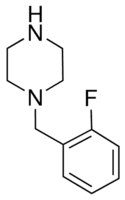
1-(2-Fluorobenzyl)piperazine
C11H15FN2
Chemical Synthesis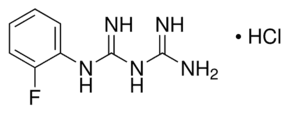
1-(2-Fluorophenyl)biguanide hydrochloride
Chemical Synthesis
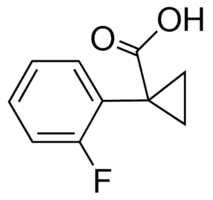
1-(2-Fluorophenyl)cyclopropanecarboxylic acid
C10H9FO2
Chemical Synthesis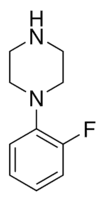
1-(2-Fluorophenyl)piperazine
C10H13FN2
Chemical Synthesis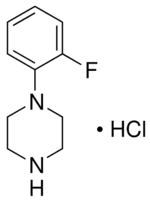
1-(2-Fluorophenyl)piperazine monohydrochloride
C10H13FN2 · HCl
Chemical Synthesis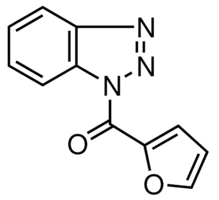
1-(2-Furoyl)-1H-benzotriazole
C11H7N3O2
Chemical Synthesis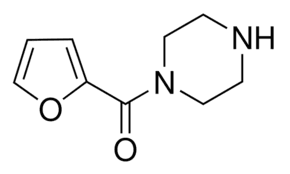
1-(2-Furoyl)piperazine
C9H12N2O2
Chemical Synthesis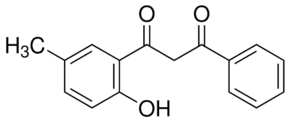
1-(2-Hydroxy-5-methylphenyl)-3-phenyl-1,3-propanedione
Chemical Synthesis
▶ Explore more

Bis(cyclopentadienyl)cobalt(III) hexafluorophosphate
C10H10CoF6P
Catalysis & Inorganic
1-(4-Chlorophenyl)biguanide hydrochloride
ClC6H4NHC(NH)NHC(NH)NH2 · HCl
Chemical Synthesis
Bis(cyclopentadienyl)dimethylzirconium(IV)
Catalysis & Inorganic

1-(4-Chlorophenyl)ethanol
ClC6H4CH(CH3)OH
Chemical Synthesis