
Ethylene oxide
Ethylene oxide (CAS 75-21-8, C2H4O) is a highly reactive, cyclic ether. This versatile chemical, with a molecular weight of 44.05 g/mol, is primarily recognised for its role as a monomer in the synthesis of poly(ethylene oxides) and ethylene glycols. Its reactivity also lends itself to various other chemical synthesis applications. Tech Serve Solutions supplies Ethylene oxide with a minimum assay of 99.8%.
- IUPAC
- Oxirane
- Synonyms
- Oxirane

Polymer Synthesis
Ethylene oxide serves as a key monomer for producing poly(ethylene oxides) and ethylene glycols. These polymers find widespread use in various industries due to their unique properties.
Chemical Intermediate
Due to its high reactivity, ethylene oxide is a valuable intermediate in the synthesis of numerous organic compounds. It is instrumental in producing chemicals like ethanolamines and glycol ethers.
Sterilisation Agent
Ethylene oxide is widely employed as a sterilising gas for medical equipment and pharmaceutical products. Its ability to penetrate packaging materials ensures effective sterilisation of heat-sensitive items.
Specialty Gas Applications
In its gaseous form, ethylene oxide is utilised in specific industrial processes. Its unique chemical properties make it suitable for specialised gas applications.
| Molecular weight | 44.05 |
|---|---|
| Empirical formula | C2H4O |
| Assay | ≥99.8% |
| Boiling point | 10.7 °C(lit.) |
| Density | 0.882 g/mL at 25 °C(lit.) |
| Refractive index | n20/D 1.3597(lit.) |
| Concentration | 2.5-3.3 M in THF |
| Melting point | −111 °C(lit.) |
| Application | Useful monomer for the synthesis of poly(ethylene oxides) and glycols |


Hazard statements
- H220Extremely flammable gas
- H280Contains gas under pressure; may explode if heated
- H315Causes skin irritation
- H319Causes serious eye irritation
- H331Toxic if inhaled
- H335May cause respiratory irritation
- H340May cause genetic defects
- H350May cause cancer
Precautionary statements
- P201Obtain special instructions before use
- P210Keep away from heat, sparks and open flames. No smoking
- P261Avoid breathing dust, fume, gas or vapours
- P305IF IN EYES
- P311Call a POISON CENTER or doctor
- P410Protect from sunlight
| Protective equipment | Eyeshields, Faceshields, full-face respirator (US), Gloves, multi-purpose combination respirator cartridge (US) |
|---|---|
| Flash point | -20 °C / -4 °F |
| Transport (UN / ADR) | UN 1040PSN1 2.1(2.3) |
| Water hazard class (WGK, DE) | 2 |
| Hazard codes (EU) | F+,T |
| Risk statements (R) | 45-46-6-12-23-36/37/38 |
| Safety statements (S) | 53-45 |
Hazard information is provided for guidance. Always consult the product Safety Data Sheet (SDS), available on request, before handling.
Documentation
Every batch ships with a Certificate of Analysis covering assay, identity and purity; the grade is confirmed against your enquiry. Safety Data Sheets and technical data sheets are available on request.
Supply & logistics
Samples for technical evaluation; bulk MOQ by grade and packaging. In-stock material ships in 7–10 working days, worldwide, with full export documentation.
What is Ethylene Oxide used for?
+
Ethylene oxide (CAS 75-21-8) is a monomer for poly(ethylene oxides) and glycols, and a versatile intermediate in chemical synthesis. It is also used as a sterilising gas for medical equipment and pharmaceuticals.
What are the CAS number and formula for Ethylene Oxide?
+
The CAS number for Ethylene Oxide is 75-21-8, and its chemical formula is C2H4O.
What grade and purity does Tech Serve Solutions supply for Ethylene Oxide?
+
Tech Serve Solutions supplies Ethylene Oxide with an assay of ≥99.8%. We do not represent this product as USP, BP, or EP grade unless explicitly stated in the product data.
How is Ethylene Oxide handled and what are the safety concerns?
+
Ethylene oxide is extremely flammable, a gas under pressure, and toxic if inhaled. It is a severe irritant and is suspected of causing genetic defects and cancer. Always handle with appropriate personal protective equipment, including eyeshields, faceshields, gloves, and a full-face respirator, in a well-ventilated area. Refer to the Safety Data Sheet for comprehensive handling information. It carries GHS hazards including H220, H280, H315, H319, H331, H335, H340, and H350.
How is Ethylene Oxide packed and exported by TSS?
+
Ethylene oxide is supplied by Tech Serve Solutions in concentrations of 2.5-3.3 M in THF. It is exported globally by our specialist logistics team, adhering to all international shipping regulations for hazardous materials.
How can I request a quote or sample of Ethylene Oxide?
+
To request a quote or sample of Ethylene Oxide, please contact our sales team through the website or by calling us directly. Please specify the quantity and any specific packaging requirements.
▶ Related products
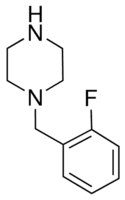
1-(2-Fluorobenzyl)piperazine
C11H15FN2
Chemical Synthesis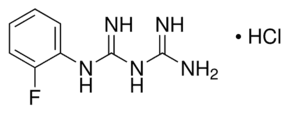
1-(2-Fluorophenyl)biguanide hydrochloride
Chemical Synthesis
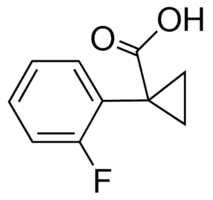
1-(2-Fluorophenyl)cyclopropanecarboxylic acid
C10H9FO2
Chemical Synthesis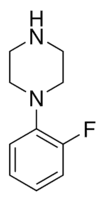
1-(2-Fluorophenyl)piperazine
C10H13FN2
Chemical Synthesis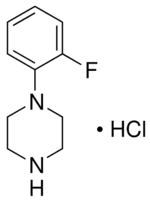
1-(2-Fluorophenyl)piperazine monohydrochloride
C10H13FN2 · HCl
Chemical Synthesis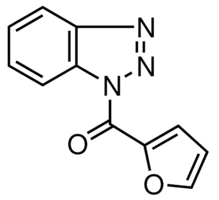
1-(2-Furoyl)-1H-benzotriazole
C11H7N3O2
Chemical Synthesis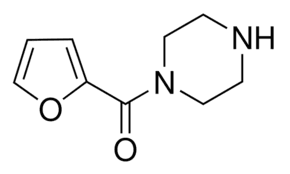
1-(2-Furoyl)piperazine
C9H12N2O2
Chemical Synthesis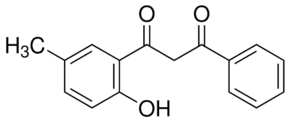
1-(2-Hydroxy-5-methylphenyl)-3-phenyl-1,3-propanedione
Chemical Synthesis
▶ Explore more

Bis(cyclopentadienyl)cobalt(III) hexafluorophosphate
C10H10CoF6P
Catalysis & Inorganic
1-(4-Chlorophenyl)biguanide hydrochloride
ClC6H4NHC(NH)NHC(NH)NH2 · HCl
Chemical Synthesis
Bis(cyclopentadienyl)dimethylzirconium(IV)
Catalysis & Inorganic

1-(4-Chlorophenyl)ethanol
ClC6H4CH(CH3)OH
Chemical Synthesis