
DNQX
DNQX (CAS: 2379-57-9), with the molecular formula C8H4N4O6 and a molecular weight of 252.14 g/mol, is a potent antagonist of AMPA and kainate receptors. This non-competitive antagonist plays a crucial role in neuroscientific research by selectively blocking fast excitatory synaptic transmission mediated by glutamate. Its precise mechanism aids in studying neuronal excitability and receptor function.
- IUPAC
- 6,7-Dinitroquinoxaline-2,3(1H,4H)-dione
- Synonyms
- 6,7-Dinitroquinoxaline-2,3(1H,4H)-dione
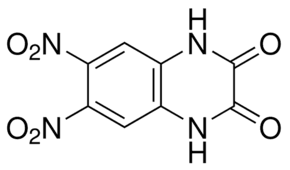
Neuroscience Research Tool
DNQX serves as a vital research tool for investigating the roles of AMPA and kainate receptors in synaptic transmission, neuronal plasticity, and various neurological processes. It is essential for dissecting excitatory neurotransmission pathways.
Investigating Excitotoxicity
As an antagonist of excitatory amino acid receptors, DNQX is used to study excitotoxicity, a process implicated in neuronal damage following stroke or neurodegenerative diseases. Its application helps researchers understand protective strategies.
Cellular Signaling Studies
DNQX aids in the study of cellular signaling pathways modulated by glutamate receptors, contributing to a deeper understanding of neuronal function and dysfunction in various physiological and pathological conditions.
| Molecular weight | 252.14 |
|---|---|
| Empirical formula | C8H4N4O6 |
| Assay | ≥98% (TLC) |
| Protective equipment | Eyeshields, Gloves, type N95 (US), type P1 (EN143) respirator filter |
|---|---|
| Water hazard class (WGK, DE) | 3 |
Hazard information is provided for guidance. Always consult the product Safety Data Sheet (SDS), available on request, before handling.
Documentation
Every batch ships with a Certificate of Analysis covering assay, identity and purity; the grade is confirmed against your enquiry. Safety Data Sheets and technical data sheets are available on request.
Supply & logistics
Samples for technical evaluation; bulk MOQ by grade and packaging. In-stock material ships in 7–10 working days, worldwide, with full export documentation.
What is DNQX used for?
+
DNQX is primarily used in neuroscience research as a selective antagonist for AMPA and kainate receptors, helping to study excitatory synaptic transmission, neuronal plasticity, and excitotoxicity.
What are the CAS number and molecular formula for DNQX?
+
The CAS number for DNQX is 2379-57-9, and its molecular formula is C8H4N4O6.
What grade and purity does Tech Serve Solutions supply?
+
Tech Serve Solutions supplies DNQX with a purity of ≥98% (TLC). We do not represent this product as USP, BP, EP, or other pharmacopoeial grades.
What safety precautions should be taken when handling DNQX?
+
When handling DNQX, it is essential to use personal protective equipment including eyeshields and gloves. A type N95 (US) or type P1 (EN143) respirator filter should be used. The substance has a WGK Germany rating of 3, indicating a high hazard.
How is DNQX packed, shipped, and exported?
+
DNQX is carefully packed to ensure stability during transit and is exported globally by Tech Serve Solutions. Specific packaging details can be provided upon request for order fulfillment.
How can I request a quote or sample for DNQX?
+
To request a quote or sample for DNQX, please contact our sales team through the website or by phone. Our representatives will assist you with your inquiry.
▶ Related products
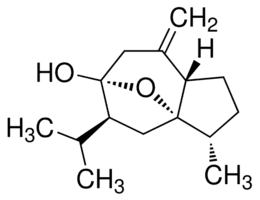
(−)-Curcumol
C15H24O2
Cell Biology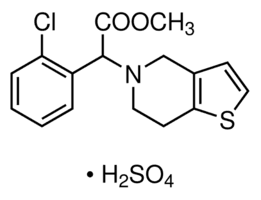
(±) Clopidogrel hydrogensulfate
Cell Biology
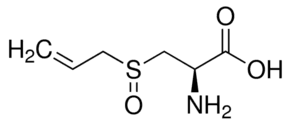
(±)-L-Alliin
C6H11NO3S
Cell Biology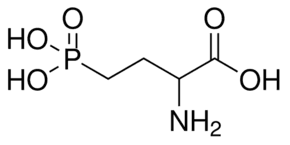
(±)-2-Amino-4-phosphonobutyric acid
C4H10NO5P
Cell Biology
(±)-2-Methylarachidonoyl-2′-fluoroethylamide
C23H38NOF
Cell Biology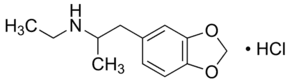
(±)-3,4-Methylenedioxy-N-ethylamphetamine hydrochloride
Cell Biology
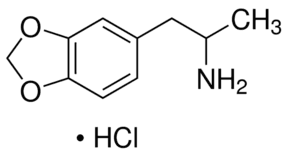
(±)-3,4-Methylenedioxyamphetamine hydrochloride
Cell Biology
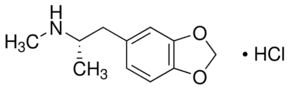
(±)-3,4-Methylenedioxymethamphetamine hydrochloride
Cell Biology
▶ Explore more

Bis(cyclopentadienyl)cobalt(III) hexafluorophosphate
C10H10CoF6P
Catalysis & Inorganic
1-(4-Chlorophenyl)biguanide hydrochloride
ClC6H4NHC(NH)NHC(NH)NH2 · HCl
Chemical Synthesis
Bis(cyclopentadienyl)dimethylzirconium(IV)
Catalysis & Inorganic

1-(4-Chlorophenyl)ethanol
ClC6H4CH(CH3)OH
Chemical Synthesis